
How to clean your streamer
What is the best way to clean your hydration bladder?
Whether you're skiing, climbing, or cycling – hydration systems are extremely practical for longer tours. They allow you to drink on the move, without having to take a break. But to ensure you enjoy your deuter hydration bladder for a long time, you should regularly clean it and the entire drinking system. This not only keeps it looking clean but also prevents bacteria from forming. So how can you get your hydration bladder clean again? Here’s a simple guide.
Why is it important to clean your hydration system?
- Hygiene and health: Bacteria and fungi can multiply inside hydration systems and bottles, particularly when they are filled with liquids other than plain water. This can be harmful to your health and lead to unpleasant odours.
- Prevents mould growth: Moisture and drink residues provide an ideal breeding ground for mould, which can easily settle in the bladder and hose.
- Preserving taste: Residues and bacteria can affect the taste of the water and make it taste unpleasant.
- Longer lifespan: Regular cleaning helps to protect the material and increase the longevity of the hydration system.
What happens if you don’t clean hydration systems?
- Unpleasant odours and tastes: The water no longer tastes neutral and smells musty.
- Dangerous residues: Bacteria and fungi can settle in the system and are then not only disgusting when drinking, but also potentially hazardous to health.
- Material damage: Long-term deposits can corrode the material and render the system unusable.
Don't give bacteria a chance: cleaning heavily soiled hydration systems
Enjoy drinking soft drinks on a long hike? If you fill your deuter hydration bladder with them, it’s essential to clean it thoroughly after each use. You can use denture cleaning tablets (e.g., Kukident or other brands) for your "Source" streamer, using them after you've removed any visible dirt. Dissolve the cleaning tablet in a glass or sink filled with water, and soak parts of the hydration bladder— such as the tube or mouthpiece— for several minutes. Then rinse thoroughly with clean water. However, even with careful cleaning, you should replace the drinking tube, mouthpiece, and other parts of your hydration bladder from time to time. This is because limescale and residue will naturally build up.
Cleaning a hydration system correctly
Cleaning your hydration bladder and entire drinking system is an essential aspect of maintaining your outdoor equipment. But how should you clean your bladder? Here´s a simple guide!
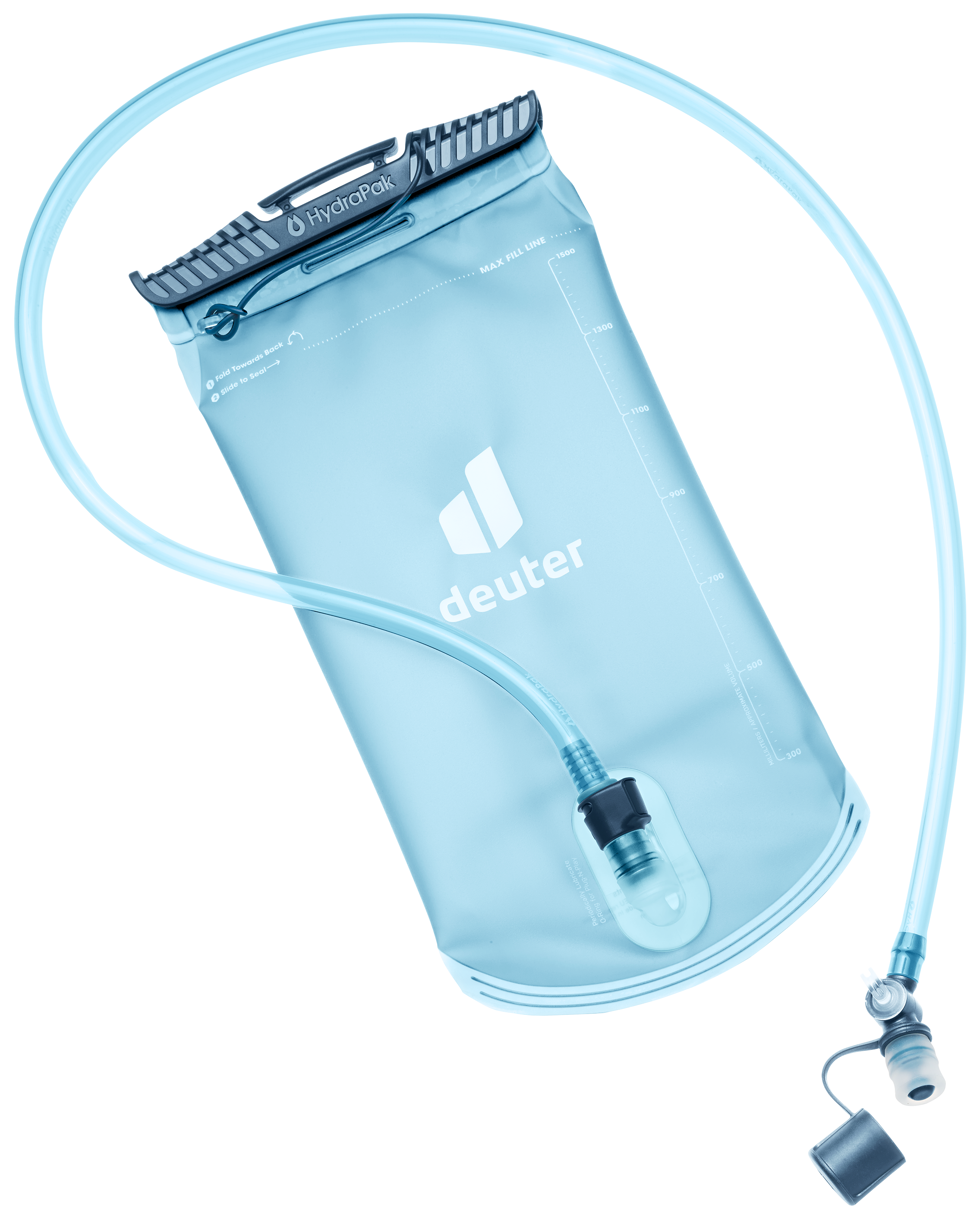
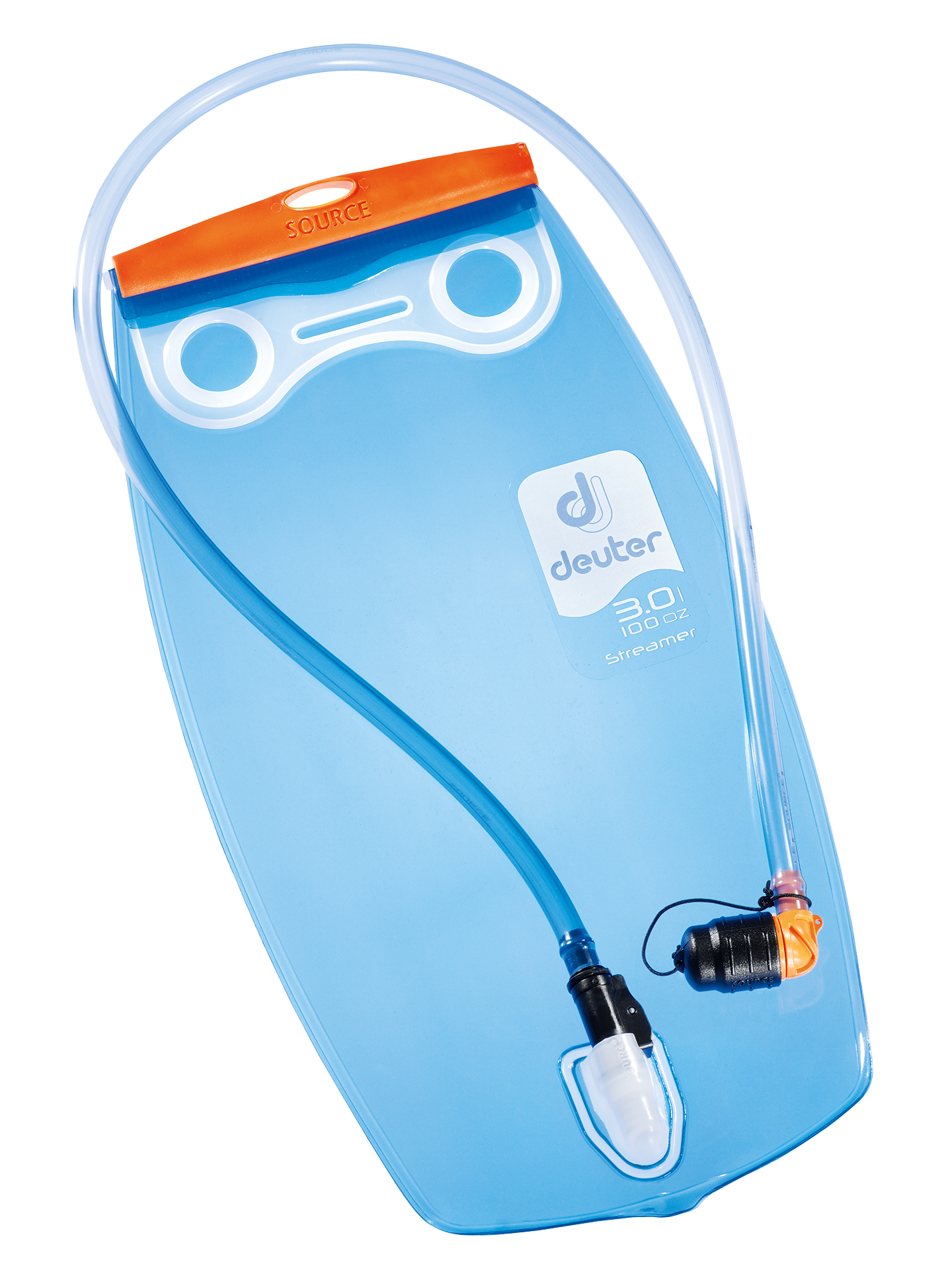
Step-by-step instructions for cleaning a HydraPak® Streamer, mouthpiece & hydration bladder
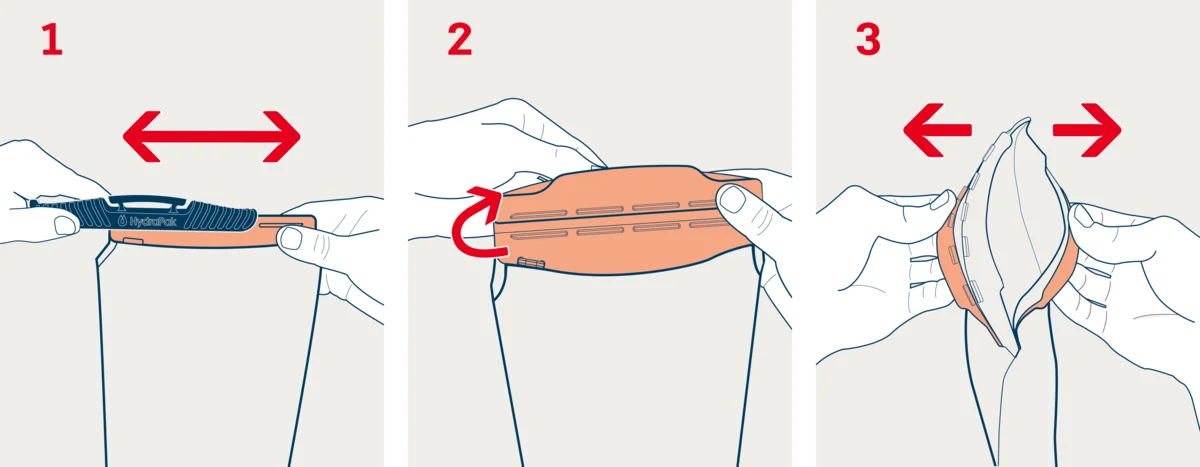
1. Opening the reservoir
- Open your reservoir by grasping the slider on top firmly and pulling it to the side.
- Flip the flap up (at the front of the reservoir where the hose connection is).
- With a firm grasp of both the front and back handles, pull the two handles apart.
2. Closing your reservoir/bladder
- Fold down to the flap at the front of the bladder
- Push the slide seal into place: Align the grooves of the slide seal with the tracks on the flaps of the reservoir.
- Push the slide seal across the top to seal the reservoir.
3. Cleaning
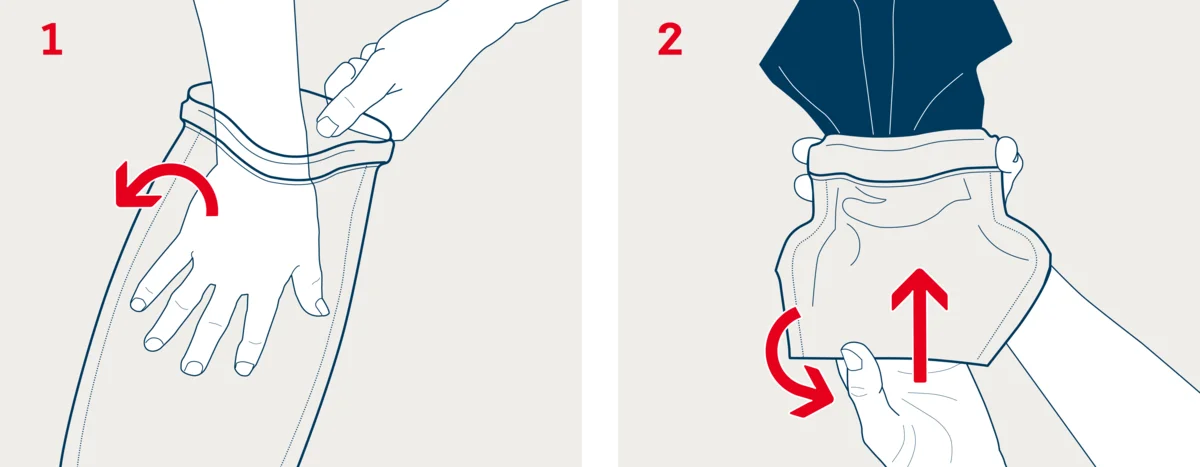
- To clean, unfasten the slider (as explained above) and then place your hand in the reservoir.
- Pull back through the opening, turning it inside out. Wash by hand with warm water and mild dish soap, or in the top rack of a dishwasher. Lay out to dry. Store out of direct sunlight, in a clean, and dry place. Keeping your reservoir clean is key to prolonging its life and keeping your water tasting fresh.
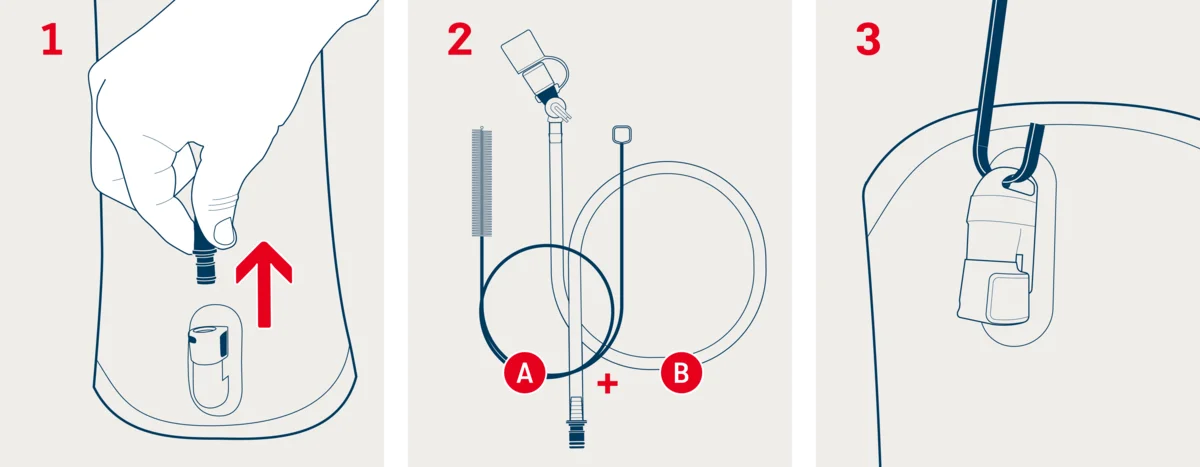
- Disconnect the hydration tube from the reservoir.
- Hold the bite valve in one hand and the tube in the other, then pull the valve firmly to remove the bite valve from the tube.
- Gently remove the silicone sheath from the valve and clean with mild soap and water.
- Clean the inside of the tube by inserting the HydraPak® Streamer Tube Brush in the open end of the tube and scrub with warm soapy water.
- After drying the components, carefully reattach the sheath to the valve and reassemble.
4. Maintenance
- When not in use, store your hydration bladder out of direct sunlight and in a clean and dry place.
- Periodically apply a food-grade lubricant to the slider rails and Plug-N-Play O-Ring to help maintain proper function. Apply a small drop of lubricant on the O-ring or slider rails to give them light coating. Too much lubricant can have a counter-productive effect, so go lightly with the application.
Step-by-step instructions for cleaning the drinking tube, mouthpiece & hydration bladder
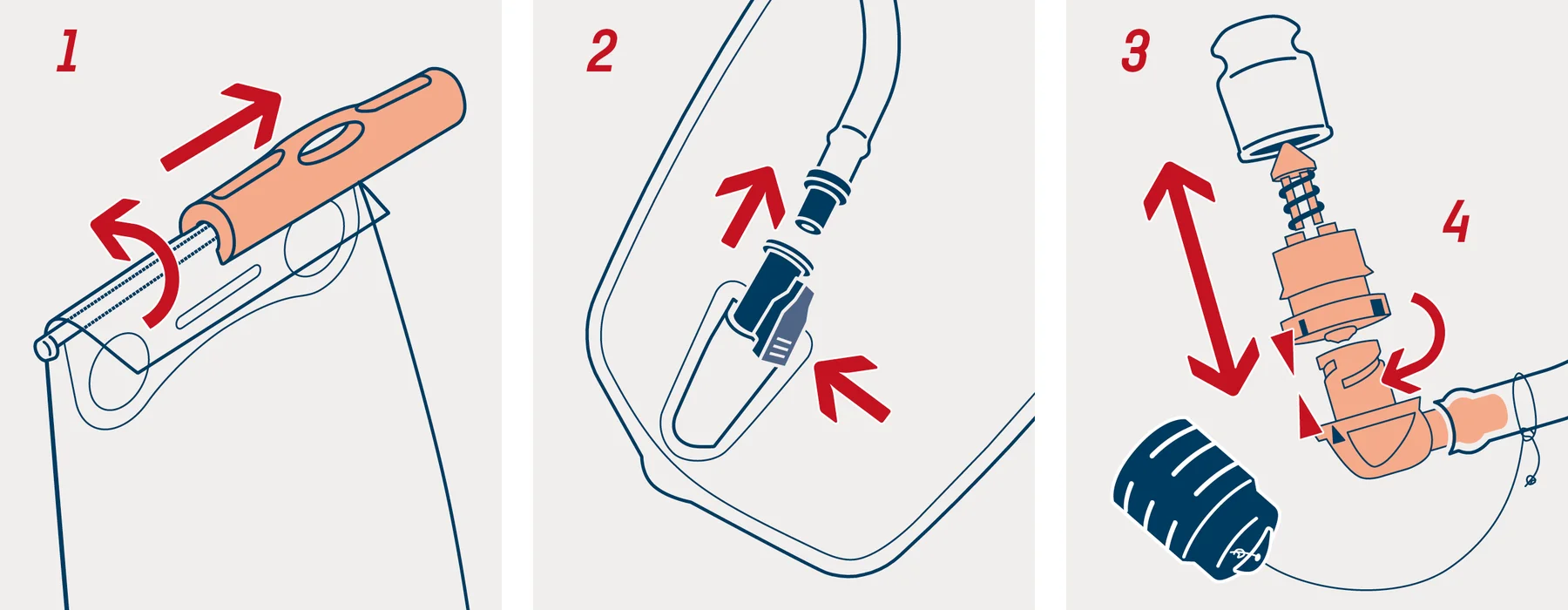
- Open Streamer
- Detach tube from the bladder
- Remove bite valve from the mouthpiece
- Rotate valve to the central mark (quarter rotation), remove and disassemble (do not remove the 90° angle piece from the tube)
- Clean everything with warm water and washing-up liquid or, if necessary, denture cleaner (never use boiling water)
- Rinse thoroughly with clear water
- The tube is best cleaned using the Streamer Tube Brush.
- To dry, place some kitchen towels into the water bag and hang upside down.
- Only reassemble once everything is completely dry.
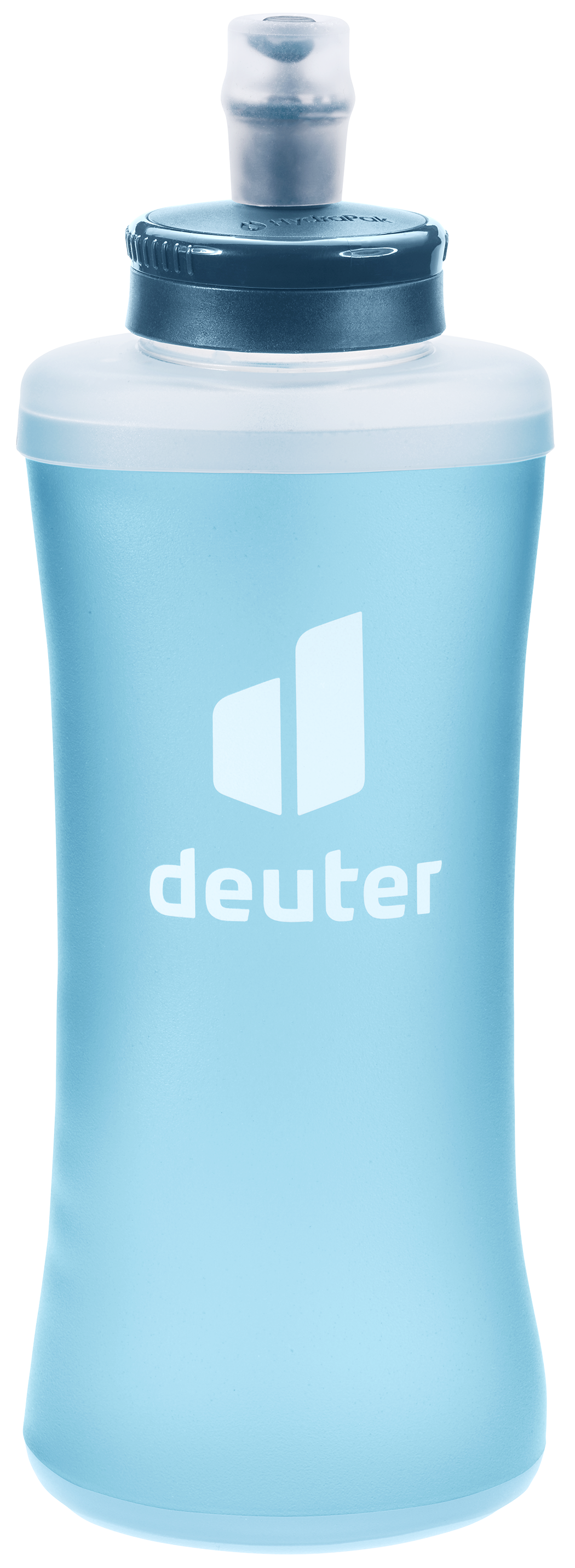
Step-by-step instructions for cleaning a HydraPak® SoftFlask
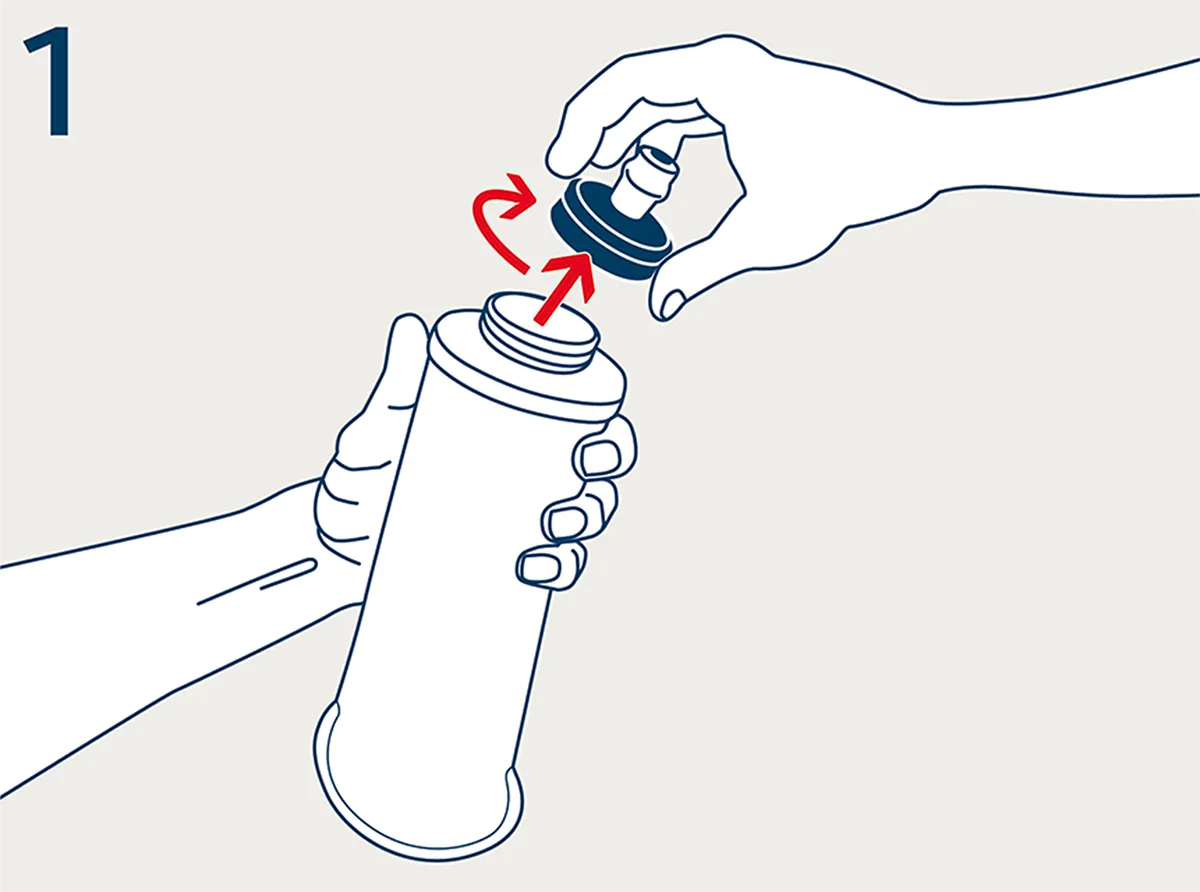
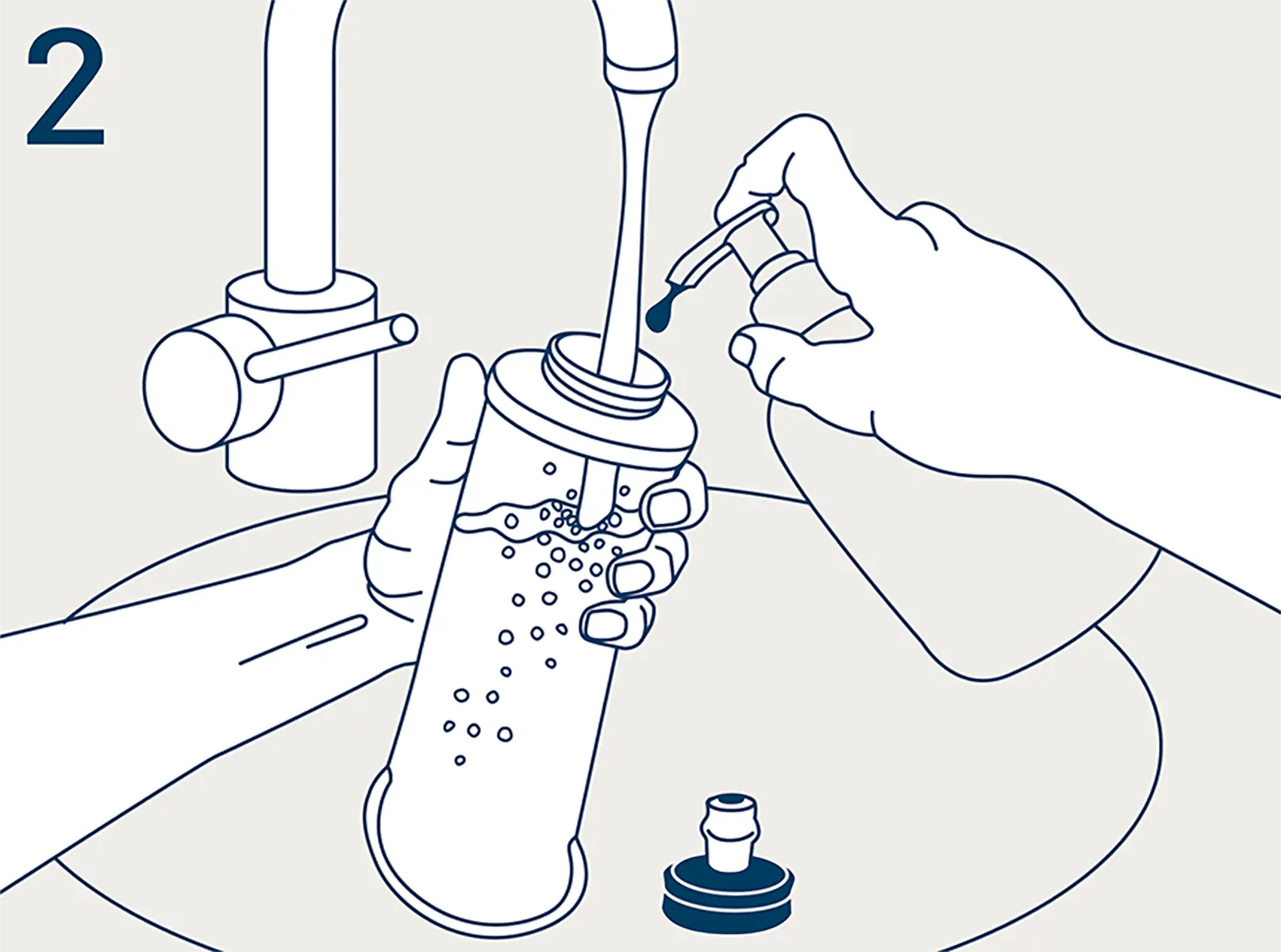
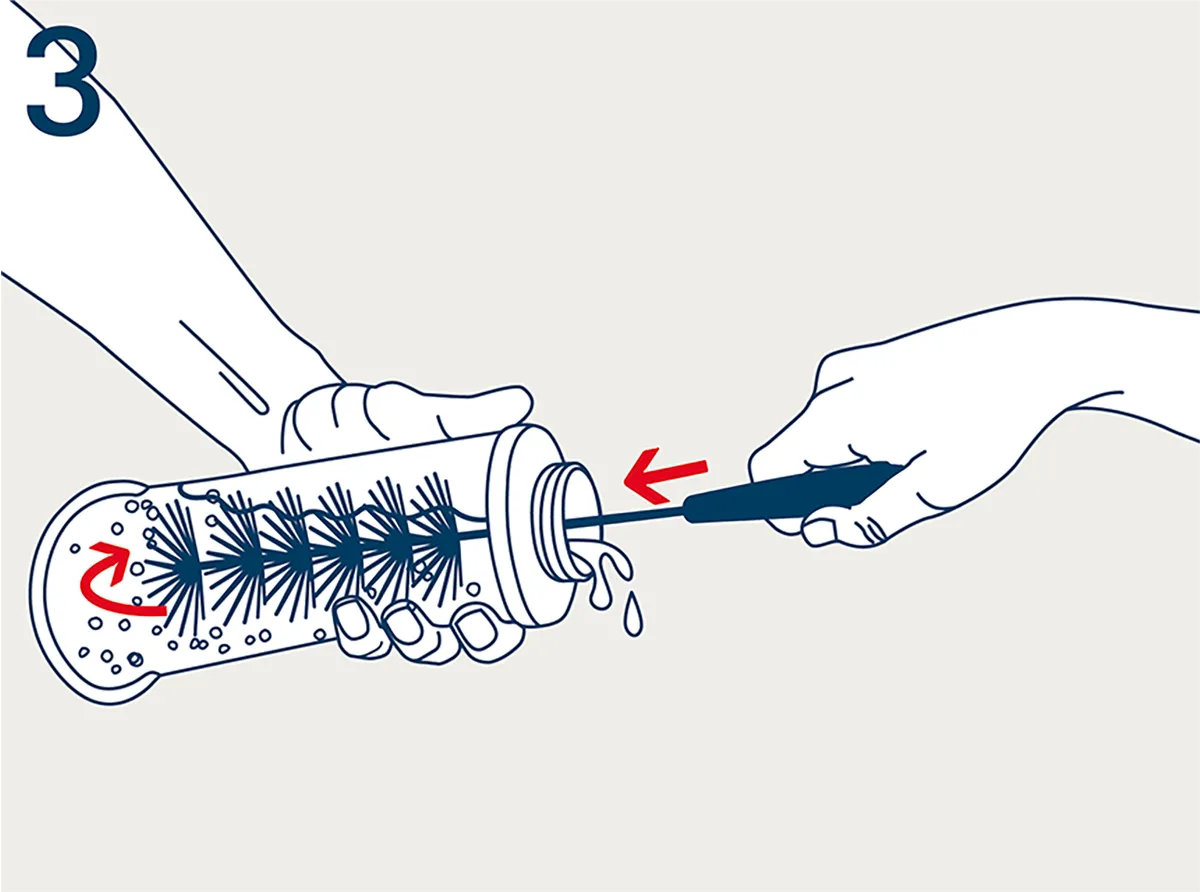
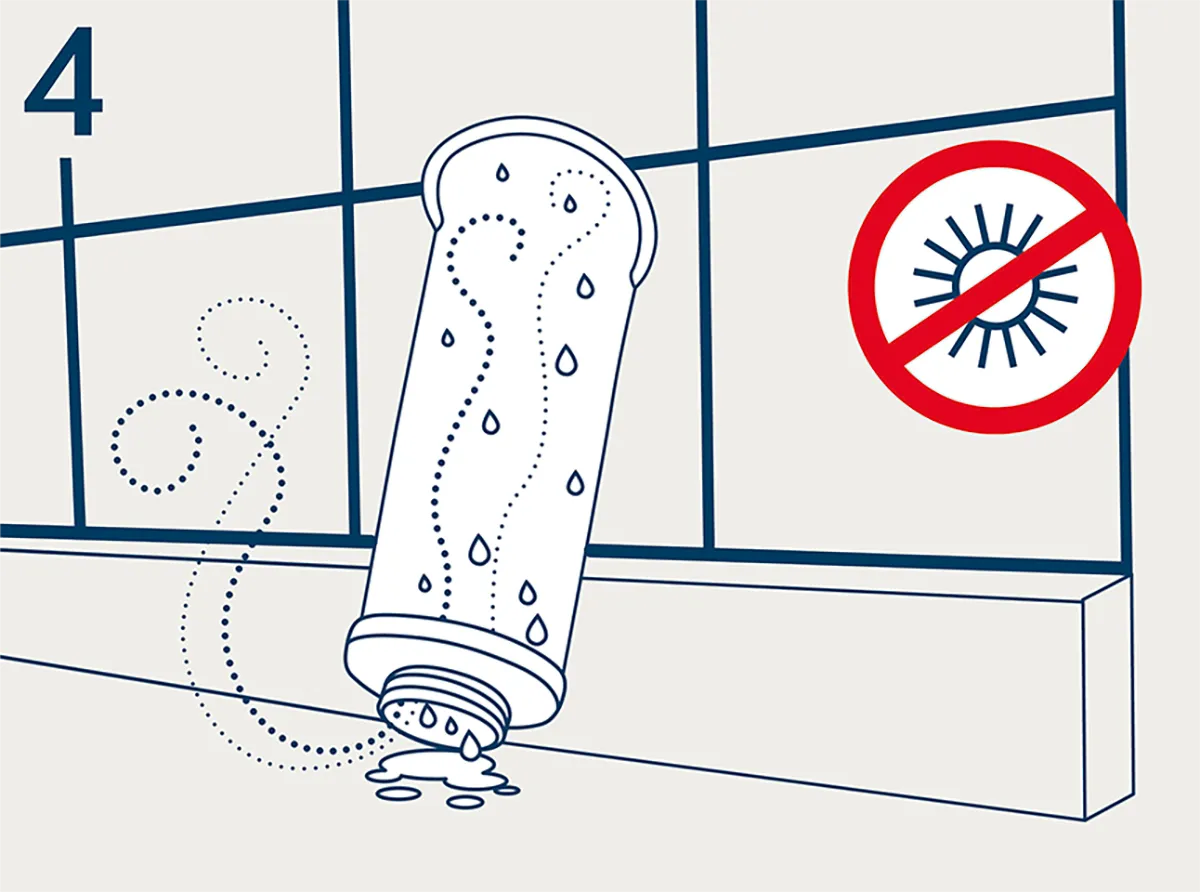
1. Cleaning the HydraPak® SoftFlask
- Open the flask: unscrew the cap clockwise
- Fill your HydraPak® SoftFlask water bottle with lukewarm water and mild washing-up liquid
- Shake it thoroughly or use a bottle brush to clean the inside completely.
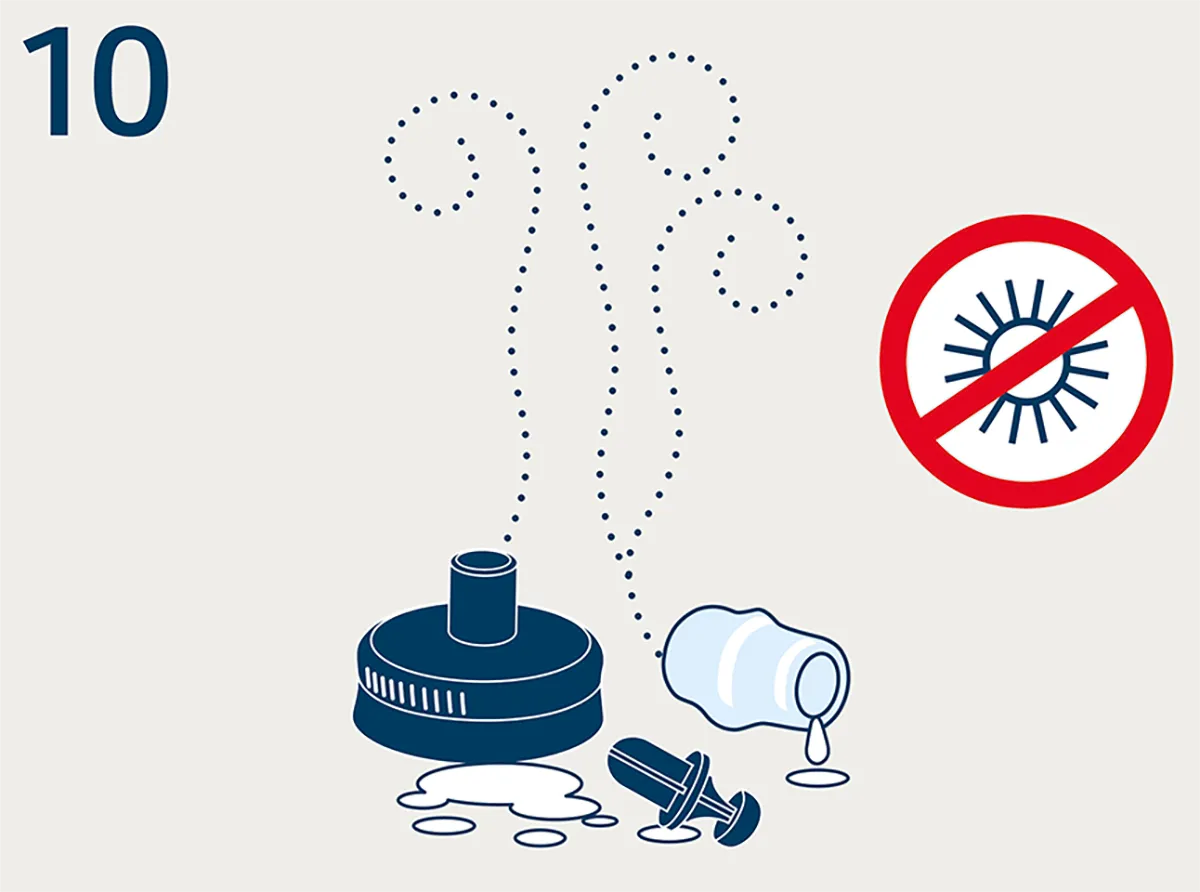
- Hang your flask upside down to dry. Choose a spot out of direct sunlight so that the bottle’s material doesn’t become brittle too quickly.
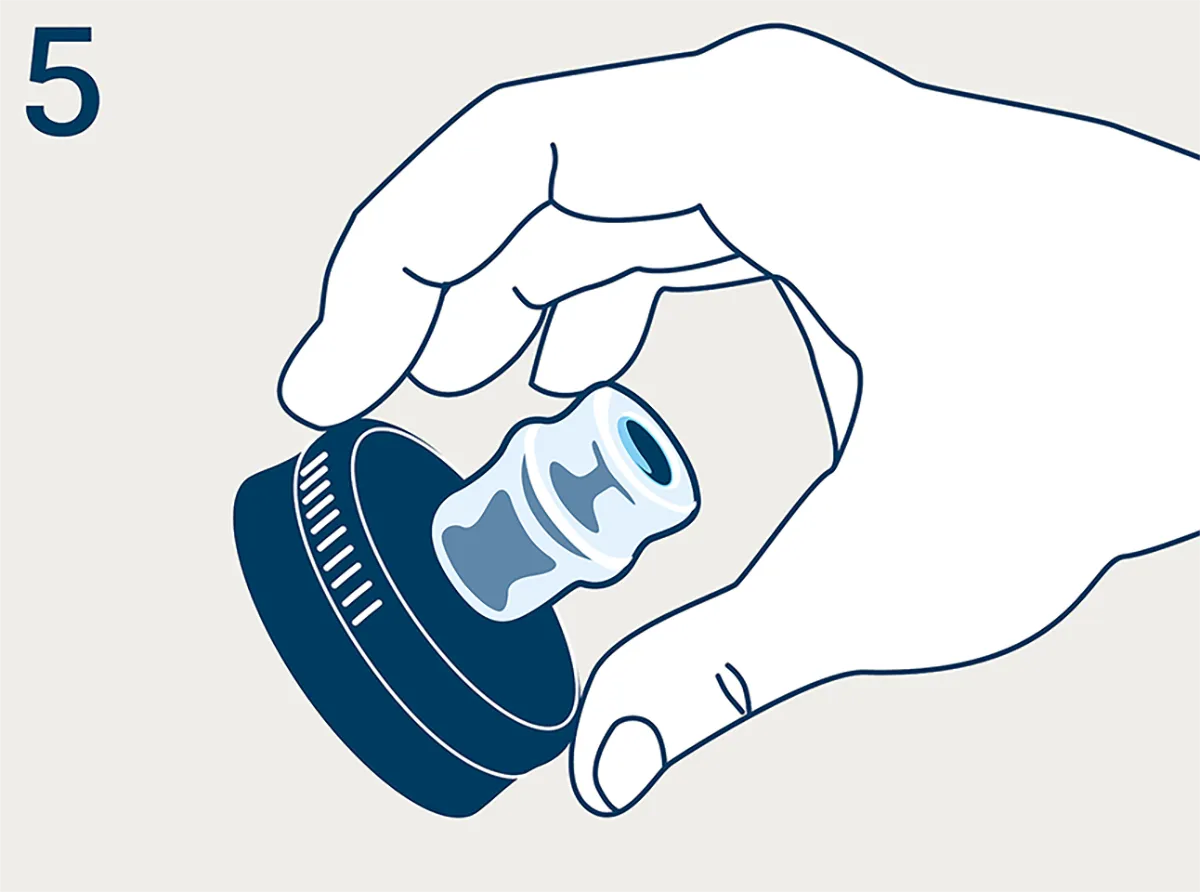
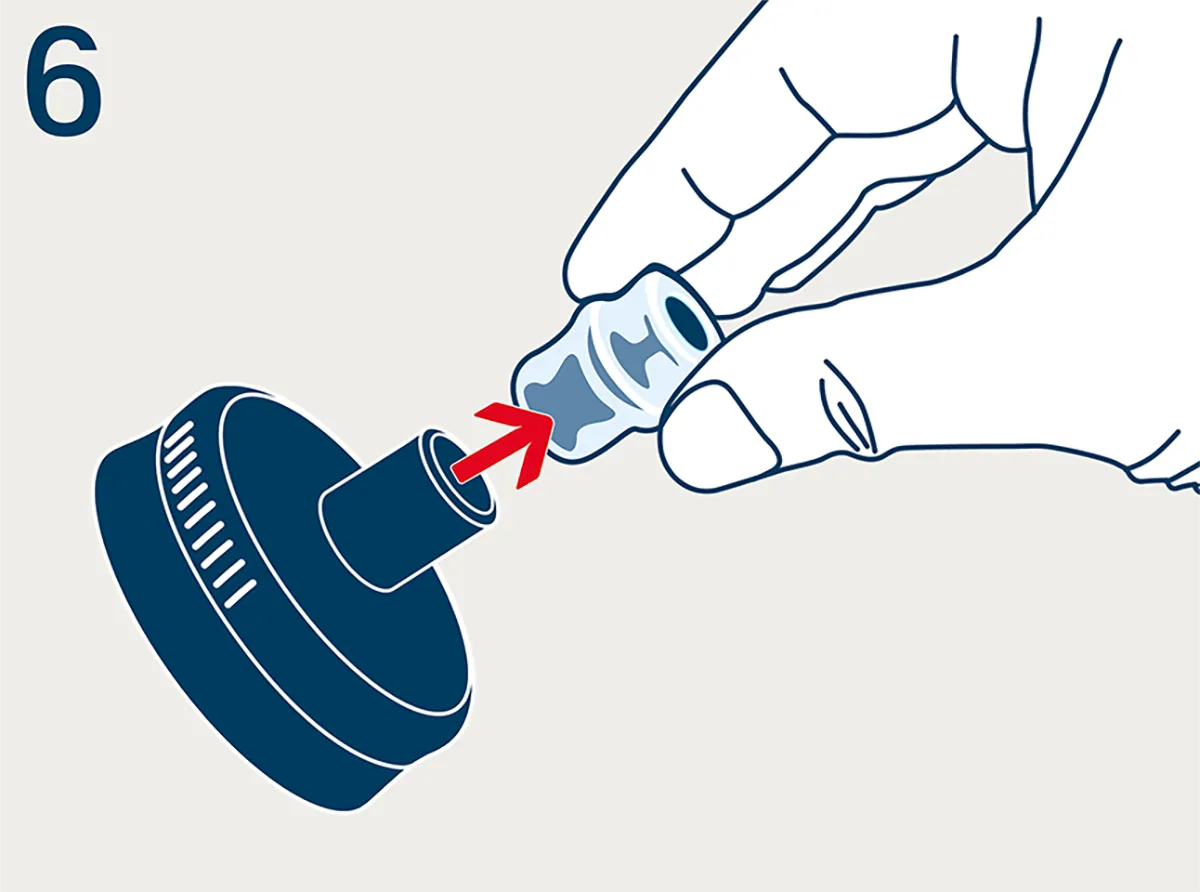
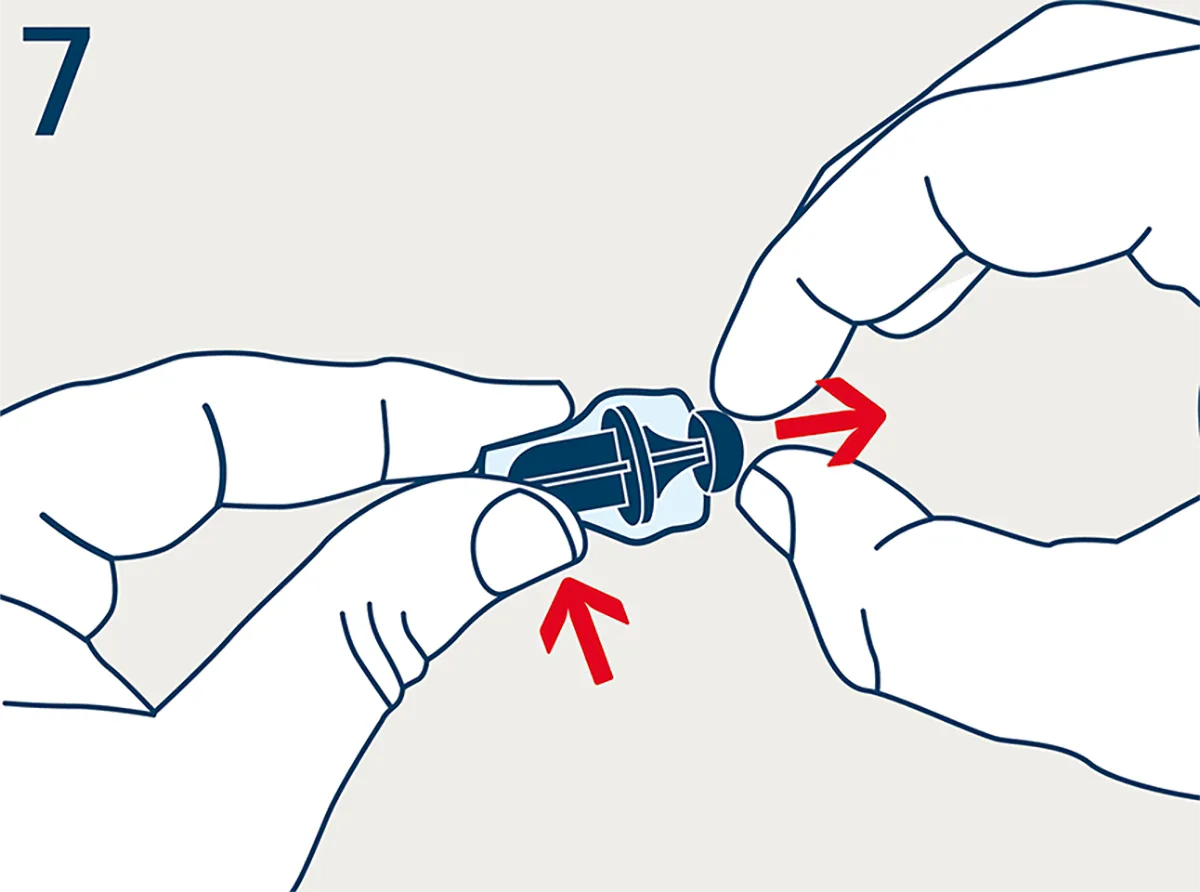
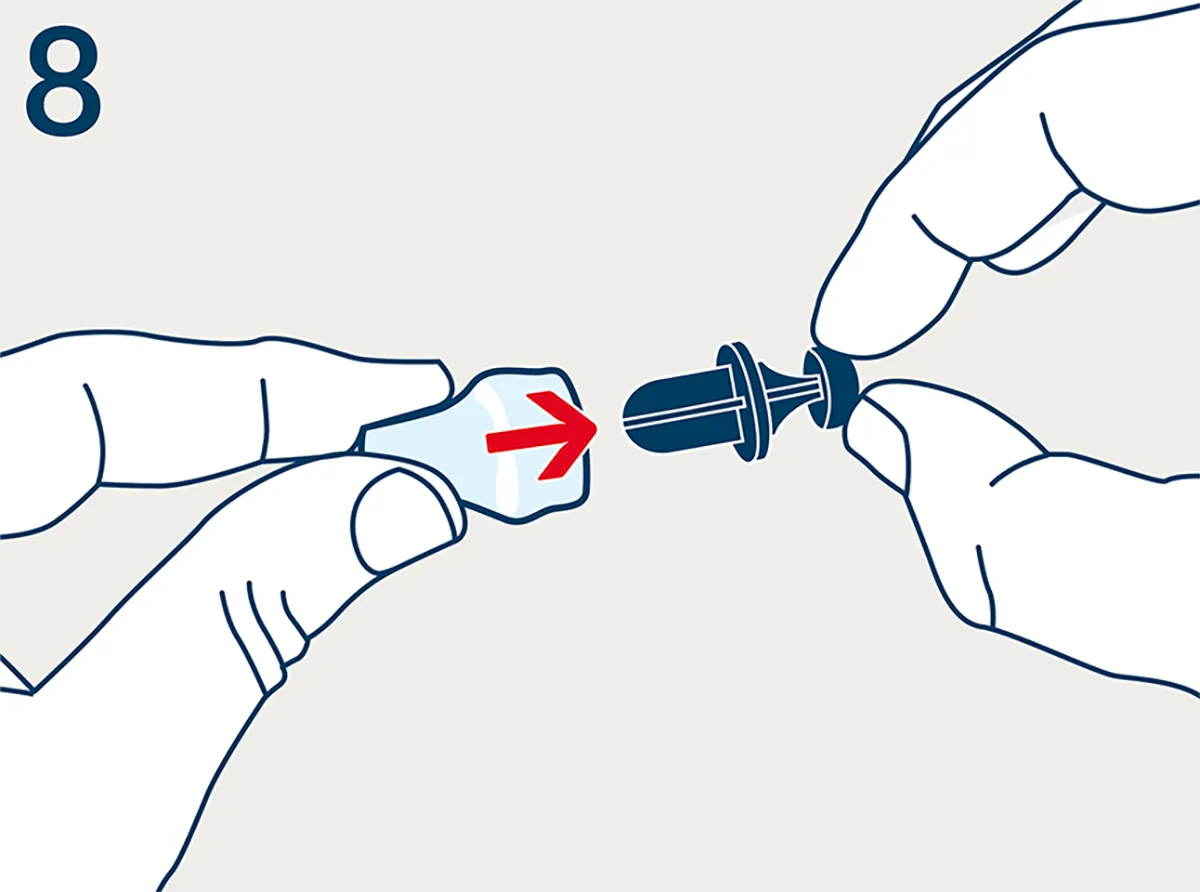
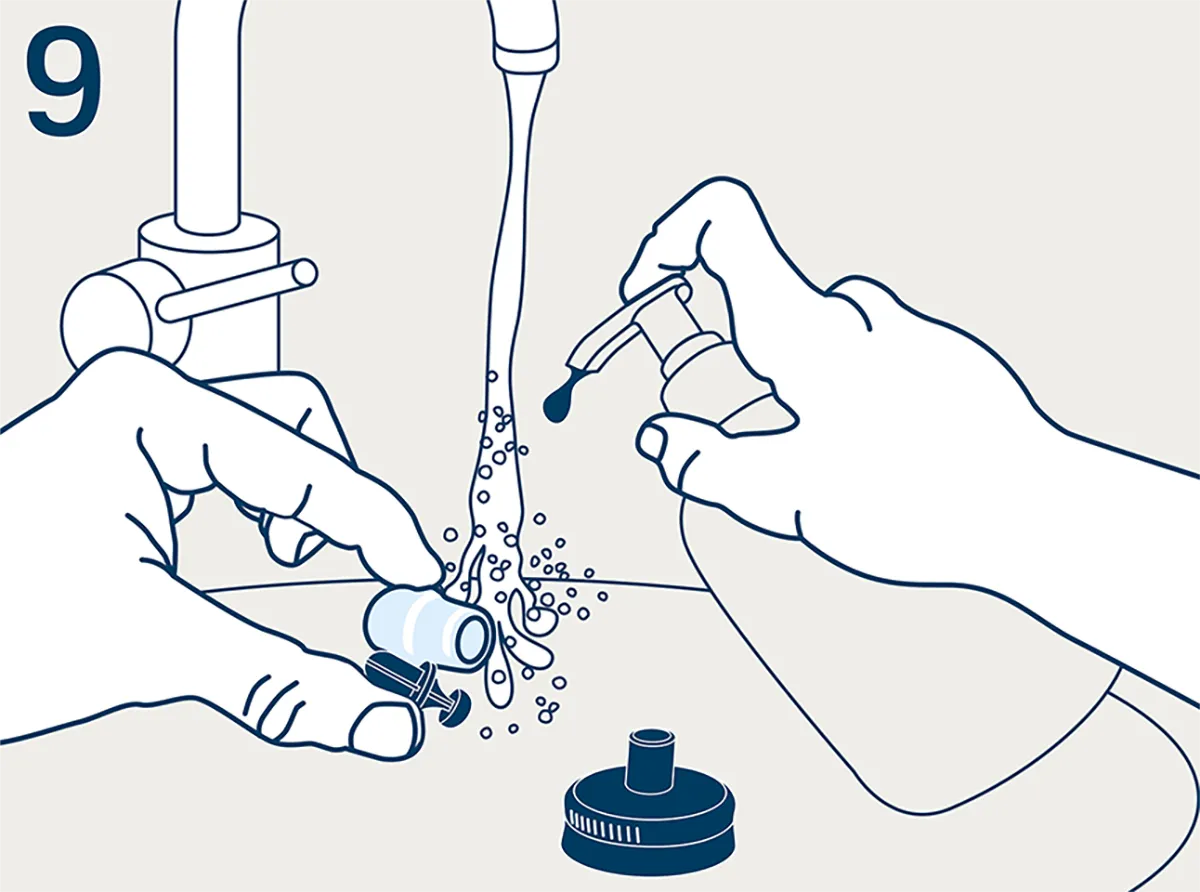
2. Cleaning the cap
- Carefully remove the silicone sleeve from the cap.
- Clean it with mild soap and lukewarm water.
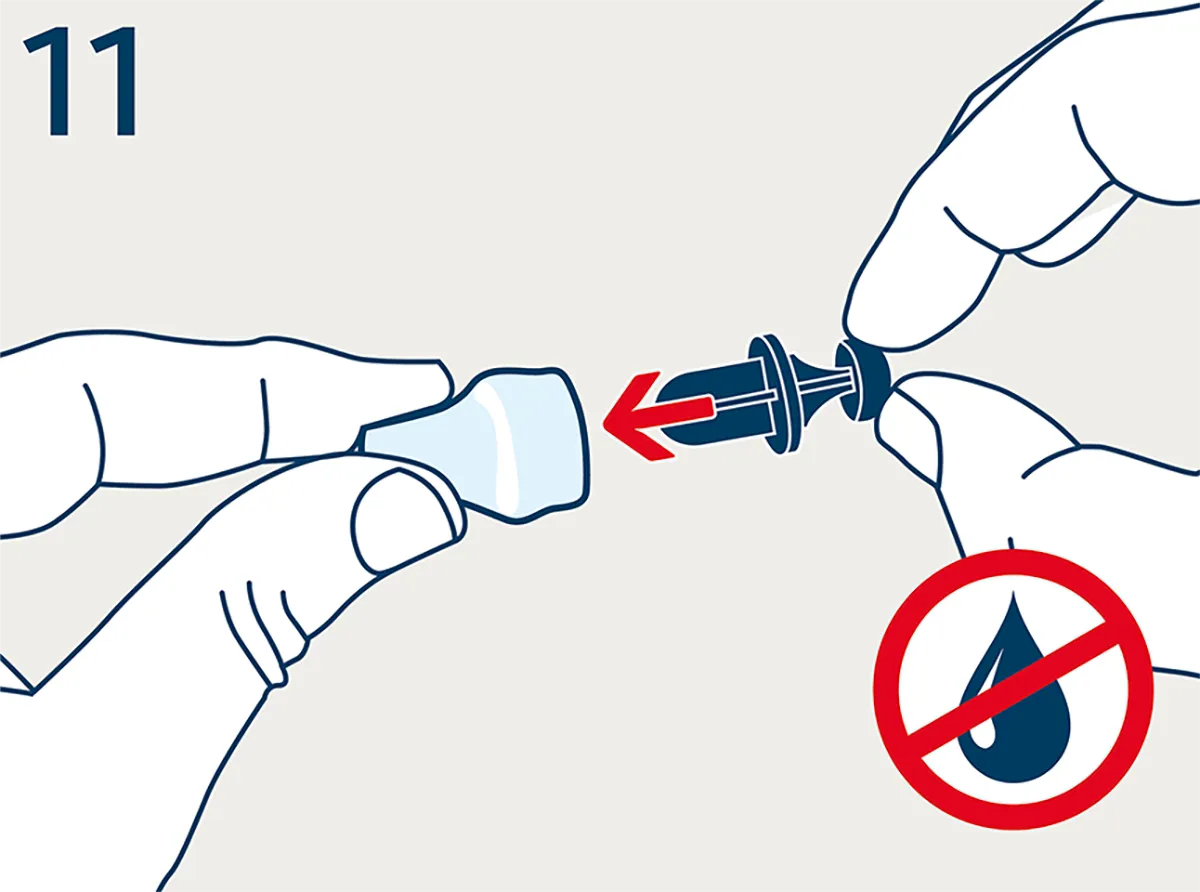
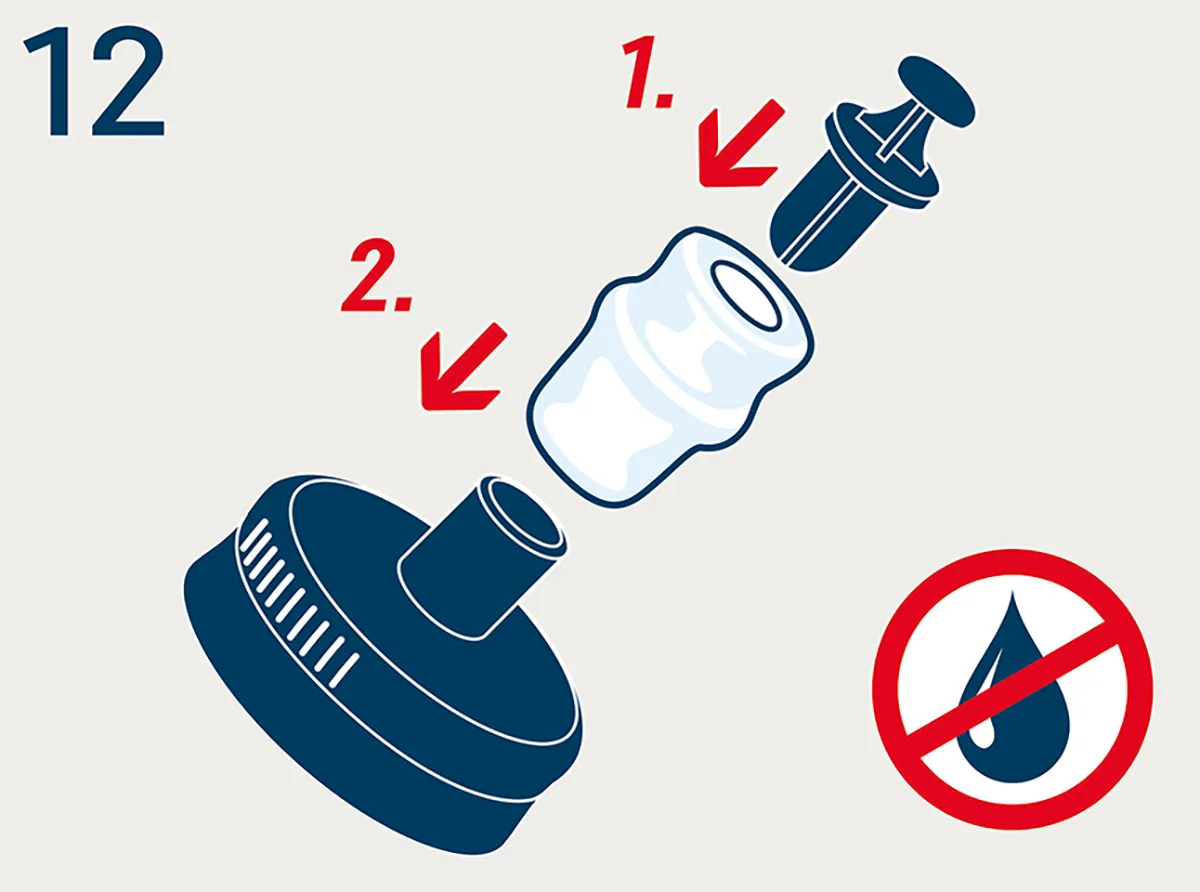
- Make sure all parts are completely dry before reassembling them. Moisture inside can encourage the growth of bacteria and thus also lead to unpleasant odours.
How to store & dry the HydraPak® Streamer Flask correctly
You should not leave hydration bladders to dry in direct sunlight, as this causes the plastic to become brittle more quickly. The same applies to storage: choose a cool, dry place wherever possible. This prevents the growth of bacteria, which thrive in warm, damp environments. Furthermore, the hydration bladder should not come into contact with sharp objects.