Planet
The outdoors is where we feel at home. Protecting it starts with understanding our impact – and reducing it wherever we can. From climate and resources to chemicals, we set targets and work with our partners to turn them into action.

Promise
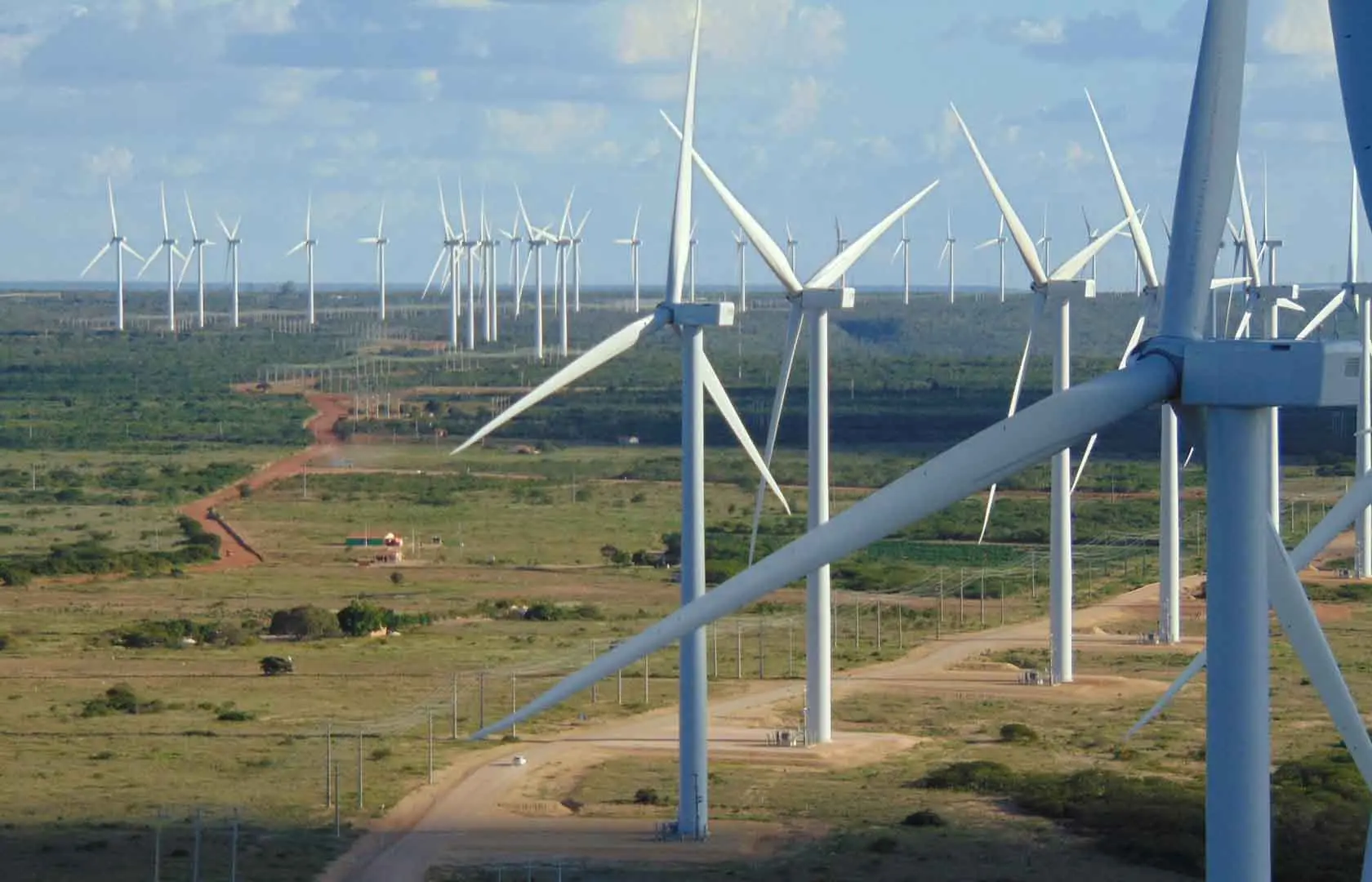
Climate change puts growing pressure on the places where we live, work and spend time outdoors.
We will measure greenhouse gas emissions across our company and value chain and work to reduce them.
Race to Zero
deuter joined the UN-backed Race to Zero campaign through the SME Climate Hub.
Race to Zero brings together companies, cities and other non-state actors around the goal of halving global emissions by 2030 and reaching net zero by 2050.
The SME Climate Hub provides smaller companies with a framework for measuring emissions, developing reduction plans and reporting progress. deuter publishes the information submitted under this framework.
Together, they provide deuter with a common framework for measuring emissions, planning reductions in line with global climate goals and reporting progress publicly.
About Race to Zero
About the SME Climate Hub
deuter’s reports
Measuring our carbon footprint

Together with ClimatePartner, we calculate greenhouse gas emissions across our company and value chain. This helps us understand where emissions arise and identify where reductions are needed.
The calculations combine energy and activity data from deuter and its suppliers with estimated emissions from materials, production, transport and other activities. The results are available through our ClimatePartner ID Links:
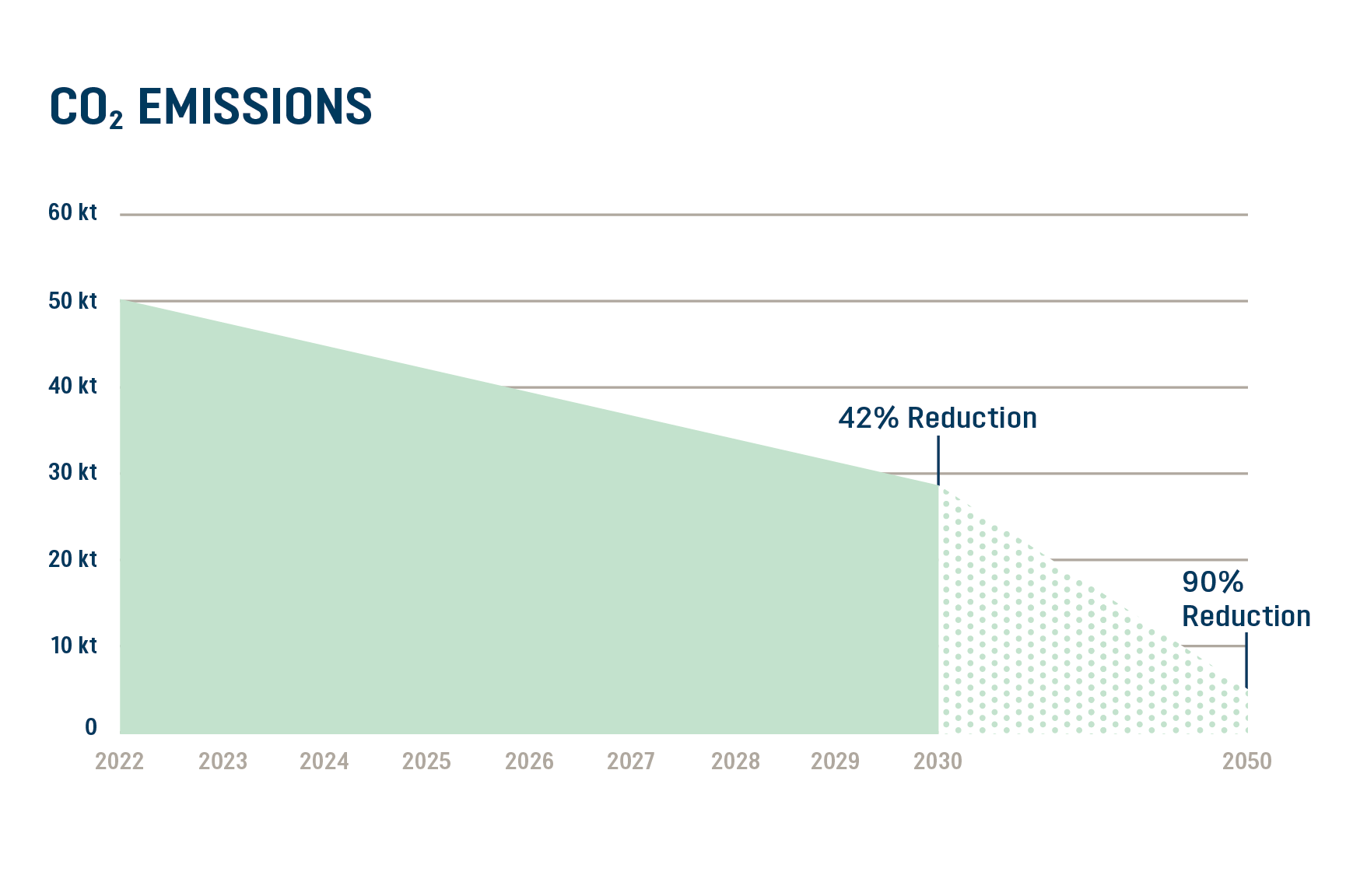
Within this calculation model, the results indicate that deuter’s total emissions and average emissions per product have decreased since the 2022 baseline. The development in total emissions should be viewed alongside changes in production and sales volumes, which were exceptionally high in 2022.
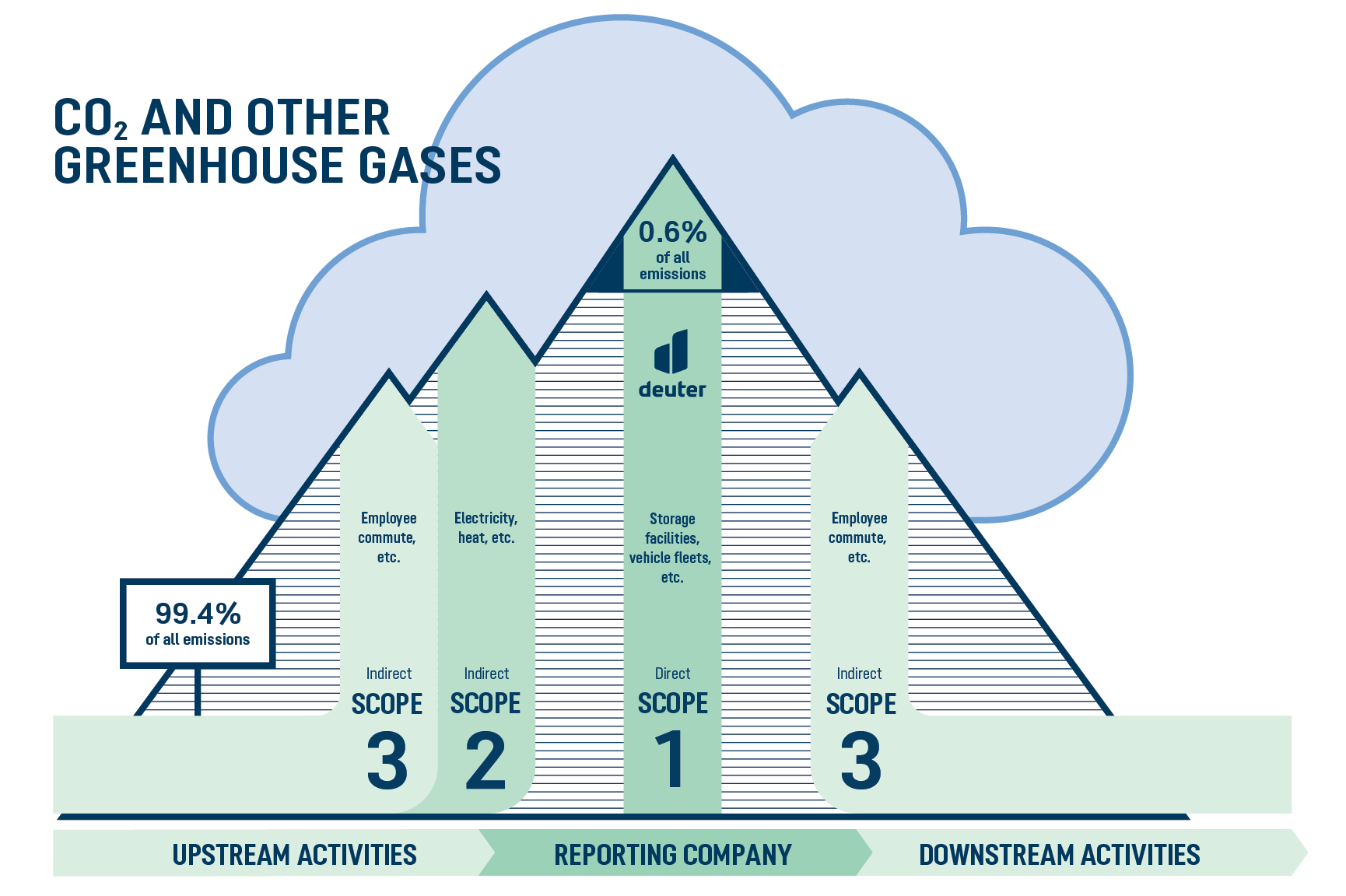
The calculations also indicate that most emissions arise in the supply chain, particularly from materials and transport. These areas are therefore a central focus of our reduction work.
Our emissions data and calculation methods are being reviewed for 2026/27, including requirements for independent verification. The current results are estimates based on the available data and may change as data quality and calculation methods improve.
Strategy


Our Emissions Reduction Team
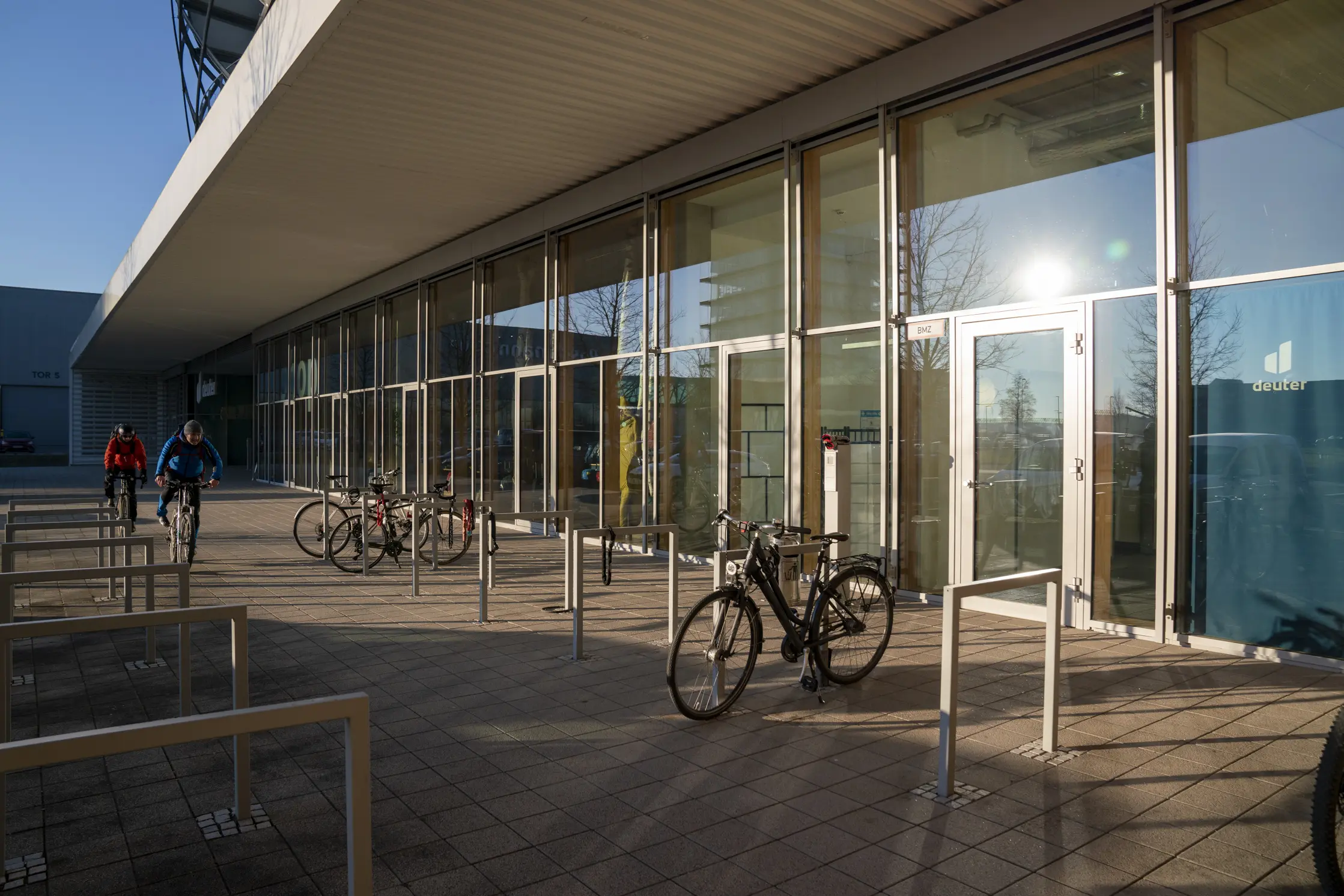
Reducing emissions involves decisions across the whole company. deuter has therefore set up an interdisciplinary Emissions Reduction Team (ERT-Team) to coordinate this work as part of the 360° Responsibility approach.
The team brings together colleagues from Product Development, Procurement and Logistics, Marketing, Facility Management, and Sustainability and CSR. Together, they collect data, identify the main sources of emissions and set priorities for reduction.
A monitoring system is being developed to track measures, responsibilities and progress. Initial tracking is already in place.
Promise
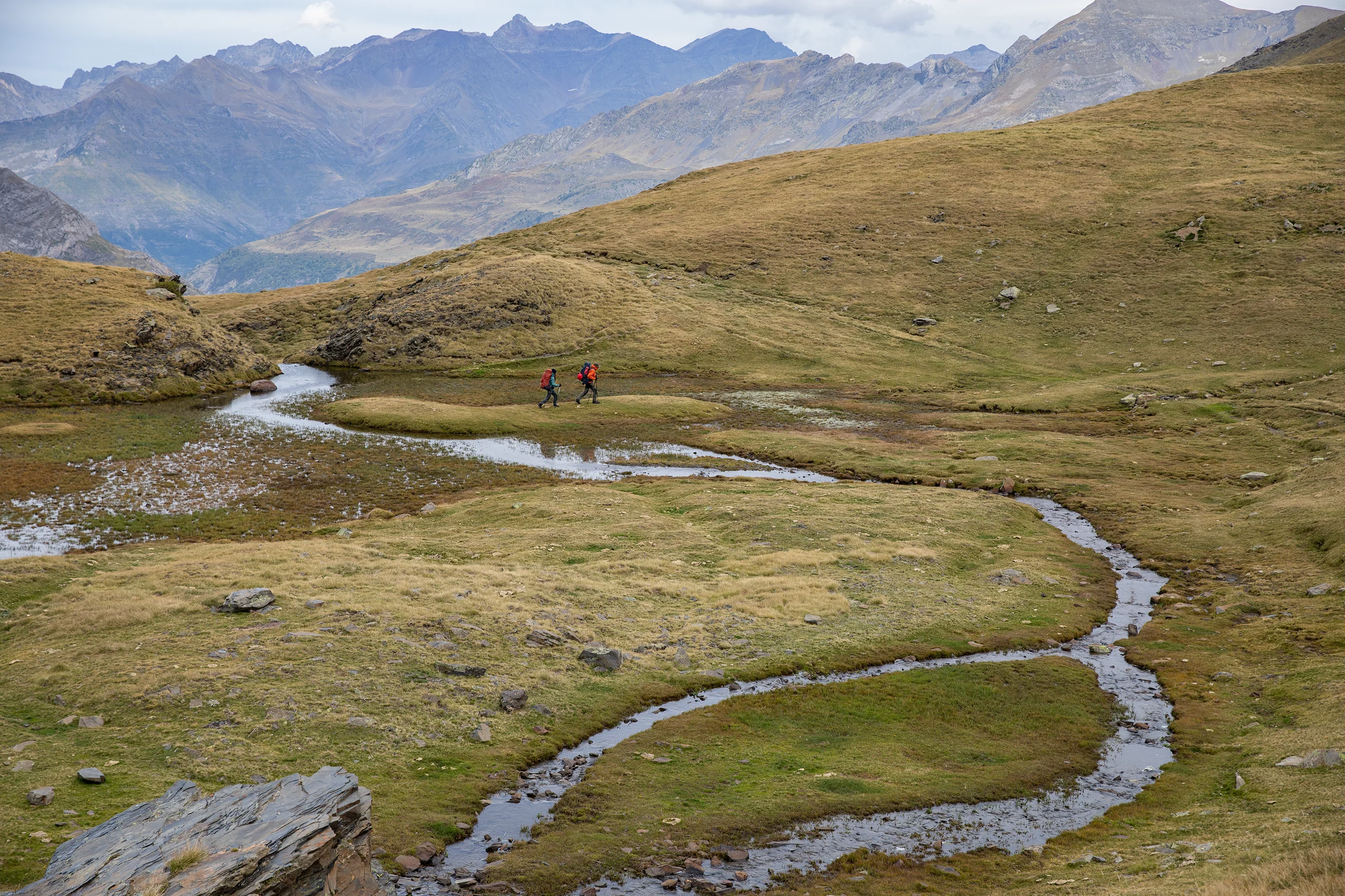
Protecting the environment from harmful substances is a priority for deuter as an outdoor brand.
We will track the environmental impact of our products and minimise them by selecting resources carefully, reducing the quantity of resources used and avoiding harmful substances. We will also engage in environmental projects together with partner organisations and NGOs and continue to expand these activities.
Strategy
Clear rules for suppliers
deuter’s Planet Guideline sets clear environmental and safety requirements for all suppliers. They help minimise the risk of harmful substances entering deuter products and define how chemicals, wastewater and hazardous waste must be managed throughout production.
The main requirements include:
- EU REACH Regulation: REACH (Registration, Evaluation, Authorisation and Restriction of Chemicals) regulates hazardous chemicals in products and supply chains. Suppliers must monitor substances listed as Substances of Very High Concern (SVHC) and provide the required information.
- deuter Restricted Substances List (RSL): Our RSL limits or bans certain chemicals in materials and finished products. It is based on the bluesign RSL and is updated simultaneously.
- ZDHC Manufacturing Restricted Substances List (MRSL): The ZDHC (Zero Discharge of Hazardous Chemicals) MRSL restricts hazardous chemicals used during production. It focuses on chemical inputs before they can enter products, wastewater or factory waste.
Working with the bluesign® system

deuter has been a bluesign® System Partner since 2008.
bluesign® supports textile companies in reducing environmental and social risks across the value chain. Its criteria cover chemicals, resource use, environmental impacts, worker safety and the management systems behind them.
The bluesign® system works on three levels:
- Companies: Management systems and processes are assessed against the bluesign® Criteria.
- Chemicals and materials: Chemical products, materials and components are assessed before they are used in production.
- Finished products: Products can be certified when they and the relevant manufacturing processes meet the required criteria.

bluepass certification
From September 2026, deuter will use bluepass, the certification label replacing the previous bluesign® PRODUCT and bluesign® APPROVED designations. It identifies certified chemical products, materials and finished products that meet the relevant bluesign® Criteria.
For consumers, buyers and supply-chain partners, bluepass makes certification easier to recognise and verify. A QR code provides access to product-specific information on a third-party platform, including REACH information, ZDHC wastewater compliance, laboratory test results and chemical-safety documentation.
Fabrics made without intentionally added PFAS
PFAS (per- and polyfluoroalkyl substances), sometimes also referred to as PFCs (per- and polyfluorinated chemicals), have been used in outdoor textile finishes for their water-, dirt-, and grease-repellent properties. Many PFAS are highly persistent and can accumulate in the environment over time.
Since 2020, deuter has exclusively used DWR (Durable Water Repellent) finishes without intentionally added PFAS. These finishes are selected in line with deuter’s chemical management requirements and applicable product safety standards.
Promise
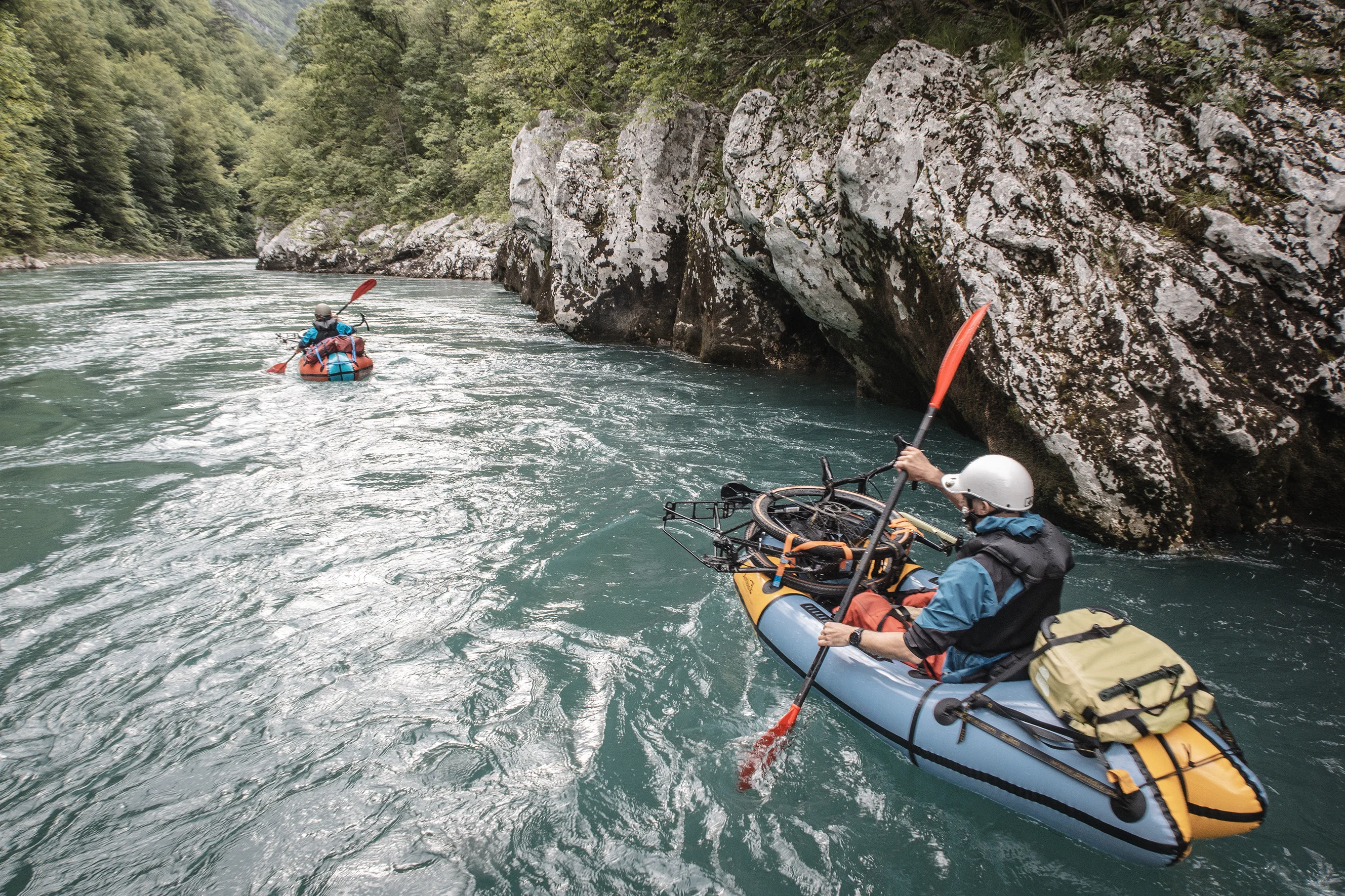
Using resources efficiently is essential to minimise our climate and environmental impact.
We aim to keep products and materials in use for as long as possible. From material selection and product design to production, use, repair, reuse and recycling – we consider the entire product life cycle to reduce the use of raw materials and energy and make our products more circular.
Our circular approach
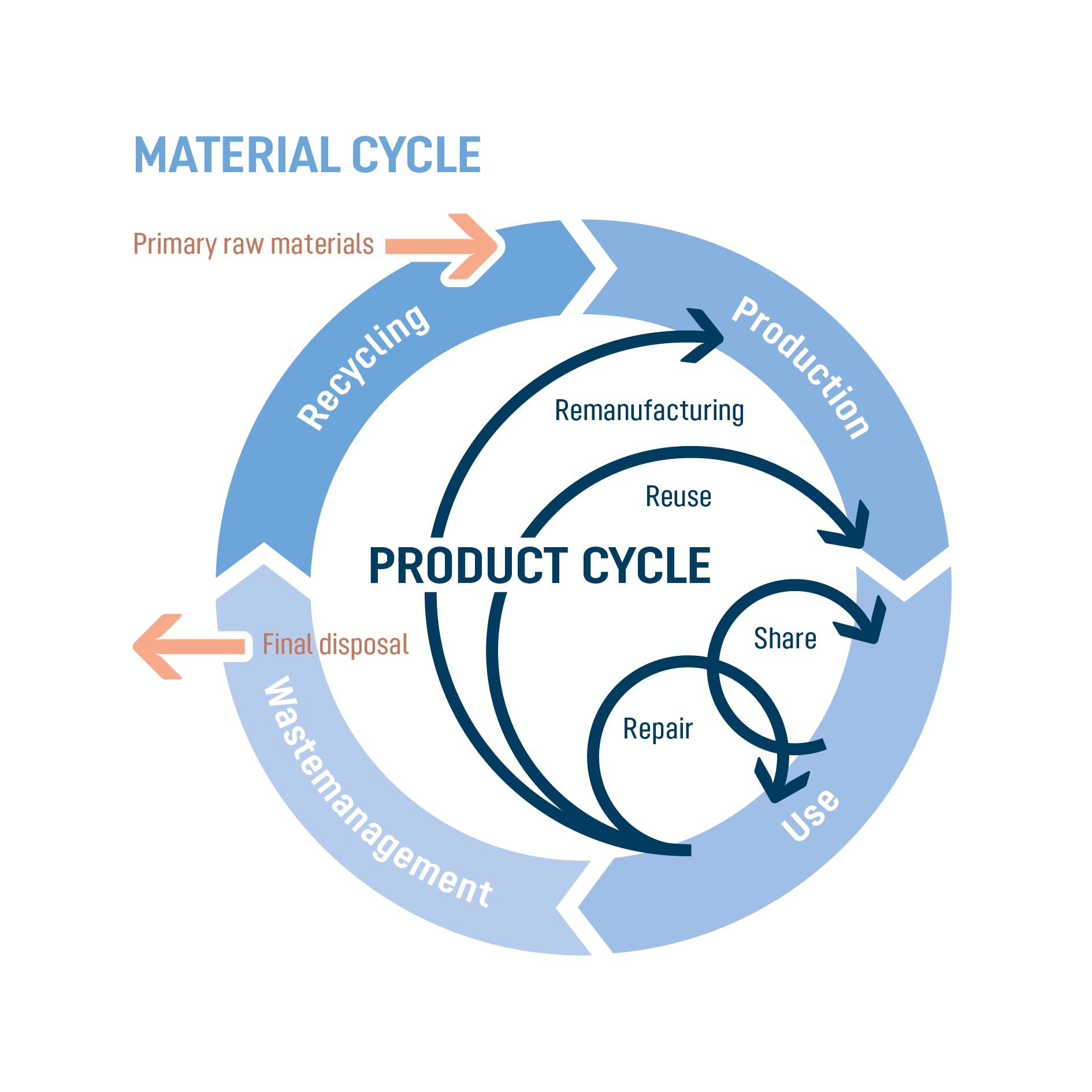
In practice, our work follows two connected cycles:
- Product cycle: We focus on durability, repairability and continued use. Care, repairs, spare parts, Second Life and selected rental services can extend product lifetimes and delay replacement.
- Material cycle: Where new materials are needed, we work to increase recycled content and reduce the use of virgin raw materials. We have also explored more recyclable and mono-material designs through research and pilot projects.
The challenge
Our backpacks and sleeping bags combine many fabrics, coatings, foams and components to meet requirements for function, safety and durability. These materials are often difficult to separate and recycle. Our pilot projects have not yet produced a scalable closed-loop solution, and we do not currently have a comprehensive system for taking back and recycling our products. Extending product life through durable design and repair therefore remains the main focus of our circular approach.