
Our waterproof products for the wet season
Why outdoor sports are fun even in rain with our waterproof products!
Cold, wet, windy: outdoor sports in bad weather place increased demands on equipment. In addition to high-quality clothing and shoes, which should offer both the right weather protection and good breathability, backpacks must also be able to withstand the adverse weather conditions during outdoor activities. Only then can exercise on cold, grey and wet days be fun and ensure physical and mental well-being. Here you can find out why our backpacks and bags can withstand even the most adverse conditions and find the right products for the individual requirements of your outdoor adventures. And you can find here all our waterproof products.
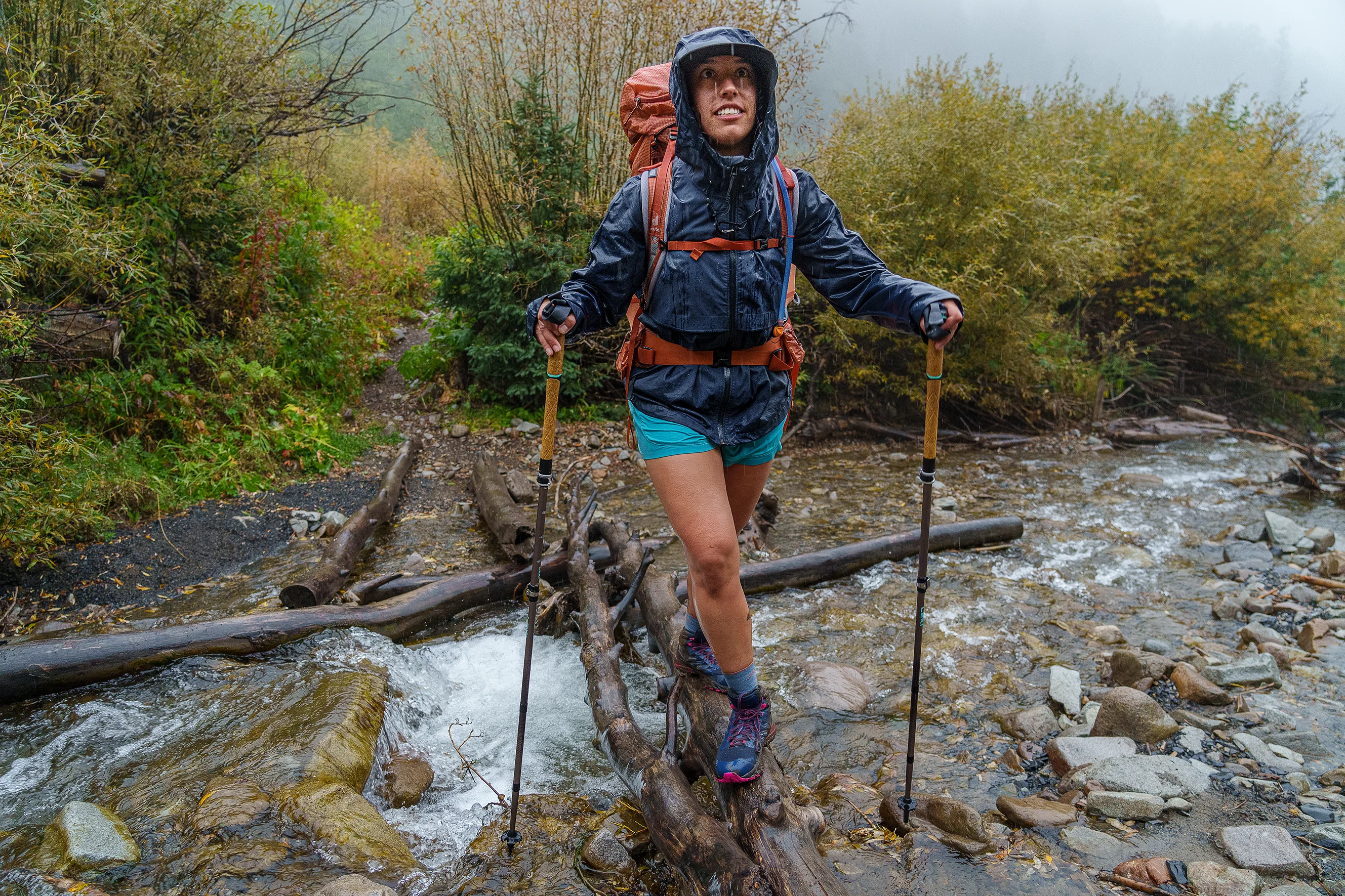
When do we use waterproof materials?
With the consumer (price) and the environment (processing and material selection) in mind, we only use waterproof materials and special constructions where it truly makes sense to do so. These include rain covers and dry bags, as well as bicycle rear panniers and mountaineering backpacks, which are extremely exposed to rain showers, meltwater, and splashing water.
What distinguishes our waterproof products and how do we test them?
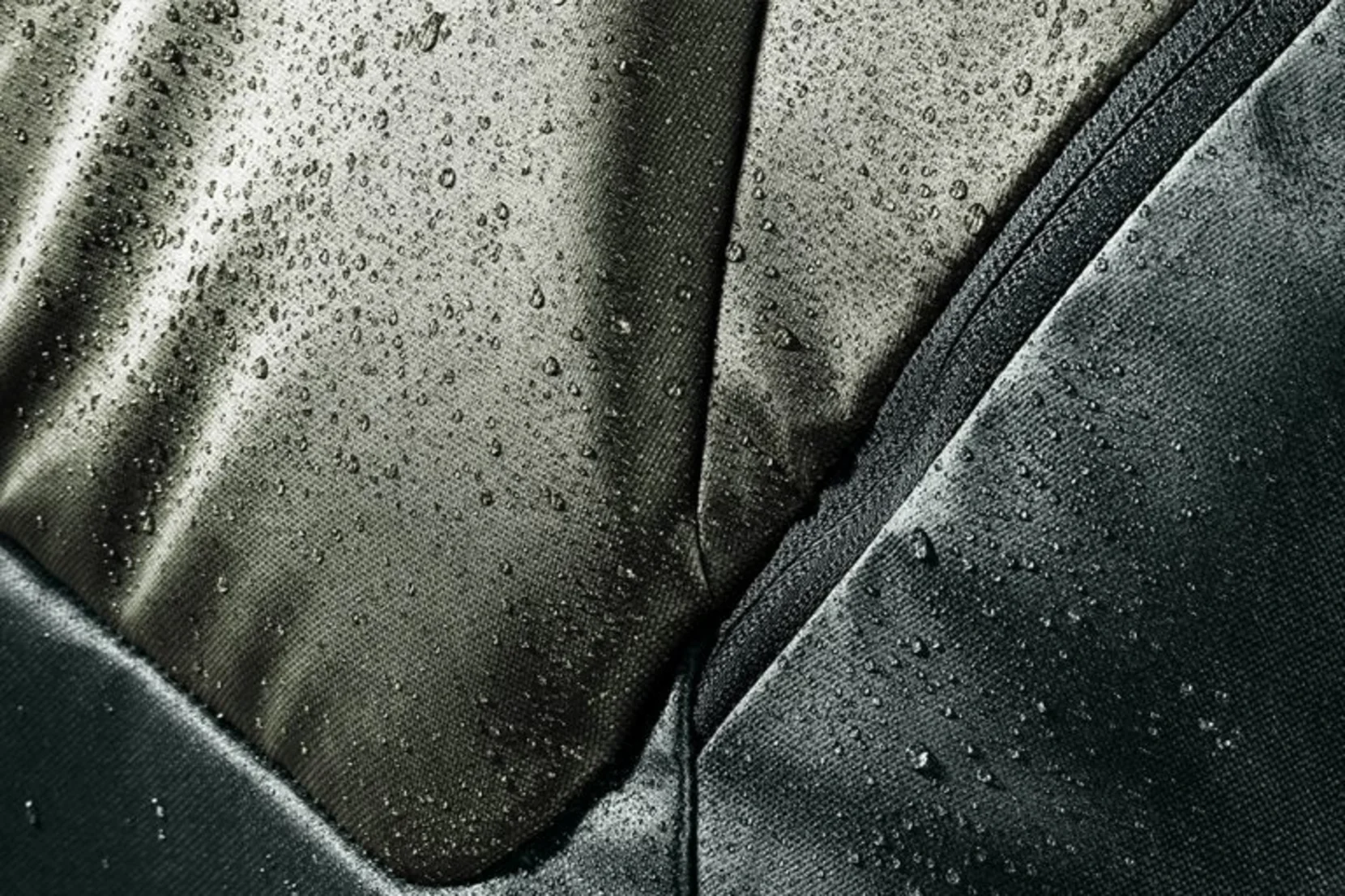
To make these products reliably waterproof, we have considered the following:
- Durable material with 10,000 mm water column
- Taped seams, sealed waterproof by hot pressing
- TPU-coated zippers
We tested that this reliably protects the contents of the bag against water
under near real-life conditions when used as intended: In a ten-meter-high rain tower, bad weather conditions were simulated for two hours,
with a maximum amount of water raining down from above. In figures: a downpour of
450 l/m²/h. In addition, rain was simulated from all sides using different nozzles.
The result: our backpacks and bags reliably withstand even the most adverse conditions.
How is the protection against water penetration classified?
The IP protection class (International Protection – sometimes also Ingress Protection) is an internationally recognised classification standard that indicates the degree of protection against the ingress of moisture/water and dust/foreign bodies.
The IP protection class consists of the IP designation and two digits:
- The first digit (0–6) represents protection against the ingress of solid particles such as dust. It ranges from "no protection" (IP0X) to "complete protection against contact and complete protection against dust ingress (dust-tight)" (IP6X).
- The second digit (0–9) represents protection against the ingress of liquids such as water. It ranges from "no protection" (IPX0) to "protected against water during high-pressure/steam jet cleaning" (IPX9).
- If protection against foreign bodies/contact or against water is not required for products, the unused digit is replaced by an "X".
| IP Rating | Protection Level |
|---|---|
| IPX0 | No protection |
| IPX1 | Protection against vertically falling dripping water |
| IPX2 | Protection against dripping water falling at an angle (up to 15°) |
| IPX3 | Protection against water spray up to 60° from vertical |
| IPX4 | Protection against splashing water on all sides |
| IPX5 | Protection against water jets (nozzle) from any angle |
| IPX6 | Protection against strong jets of water |
| IPX7 | Protection against temporary immersion |
| IPX8 | Protection against permanent immersion |
| IPX9 | Protection against water during high pressure/steam jet cleaning |
What type of protection do our waterproof products have?
The waterproofness of our products is based on their intended use. The following products have been classified as IPX2 waterproof:
The following products or product series are classified as waterproof IPX4:
- Weybridge 20+5
- Weybridge 25+5
- Mainhattan
- Amager
- Cabezon HB
- Cabezon SB
- Durascent 28 SL
- Durascent 30
- Durascent 42+10 SL
- Durascent 44+10
- Vertrail
- Visby 20+5
- Visby 25+5
In addition, all our rain and flight covers are made of reliably waterproof material.
Our new waterproof highlight
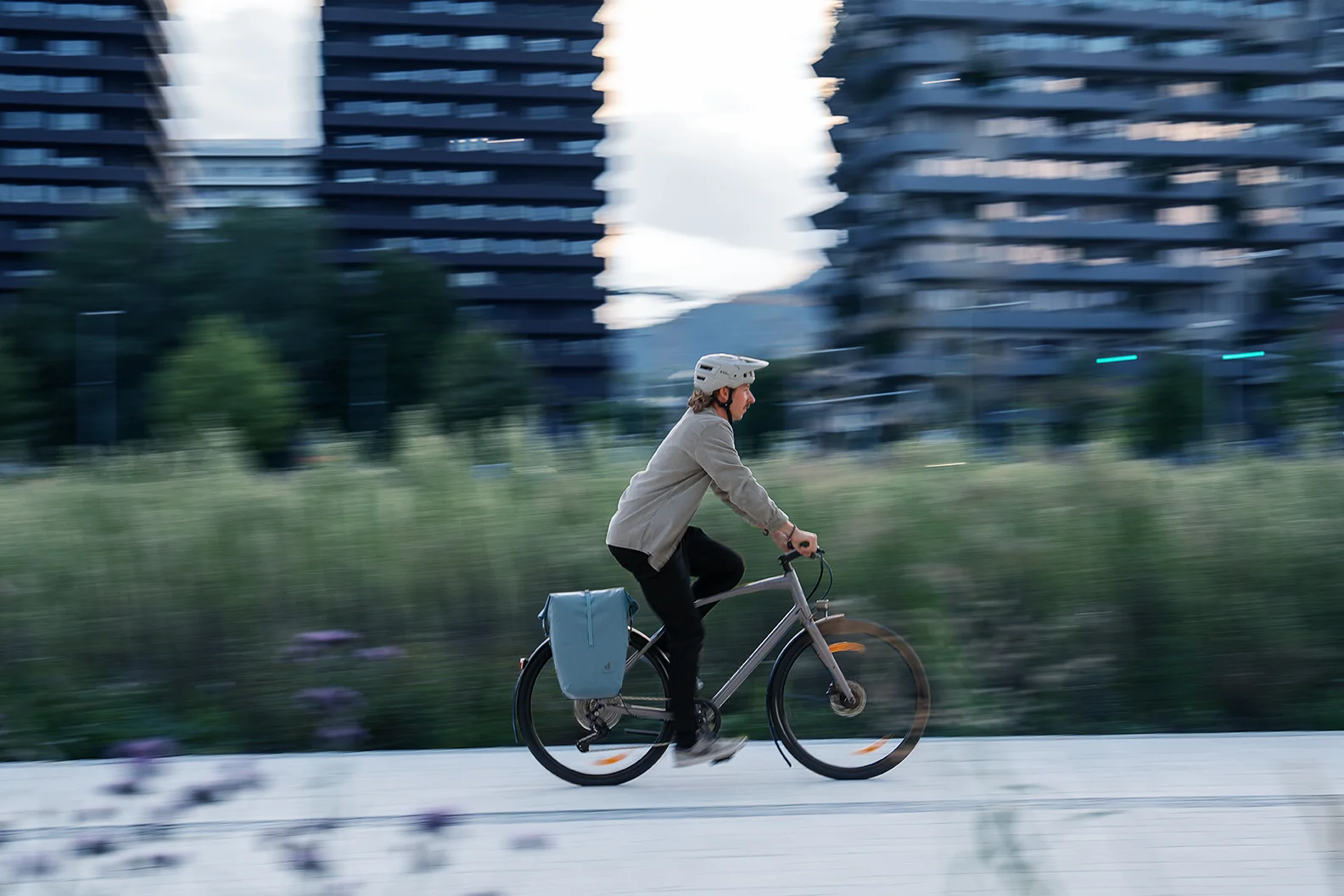
Visby
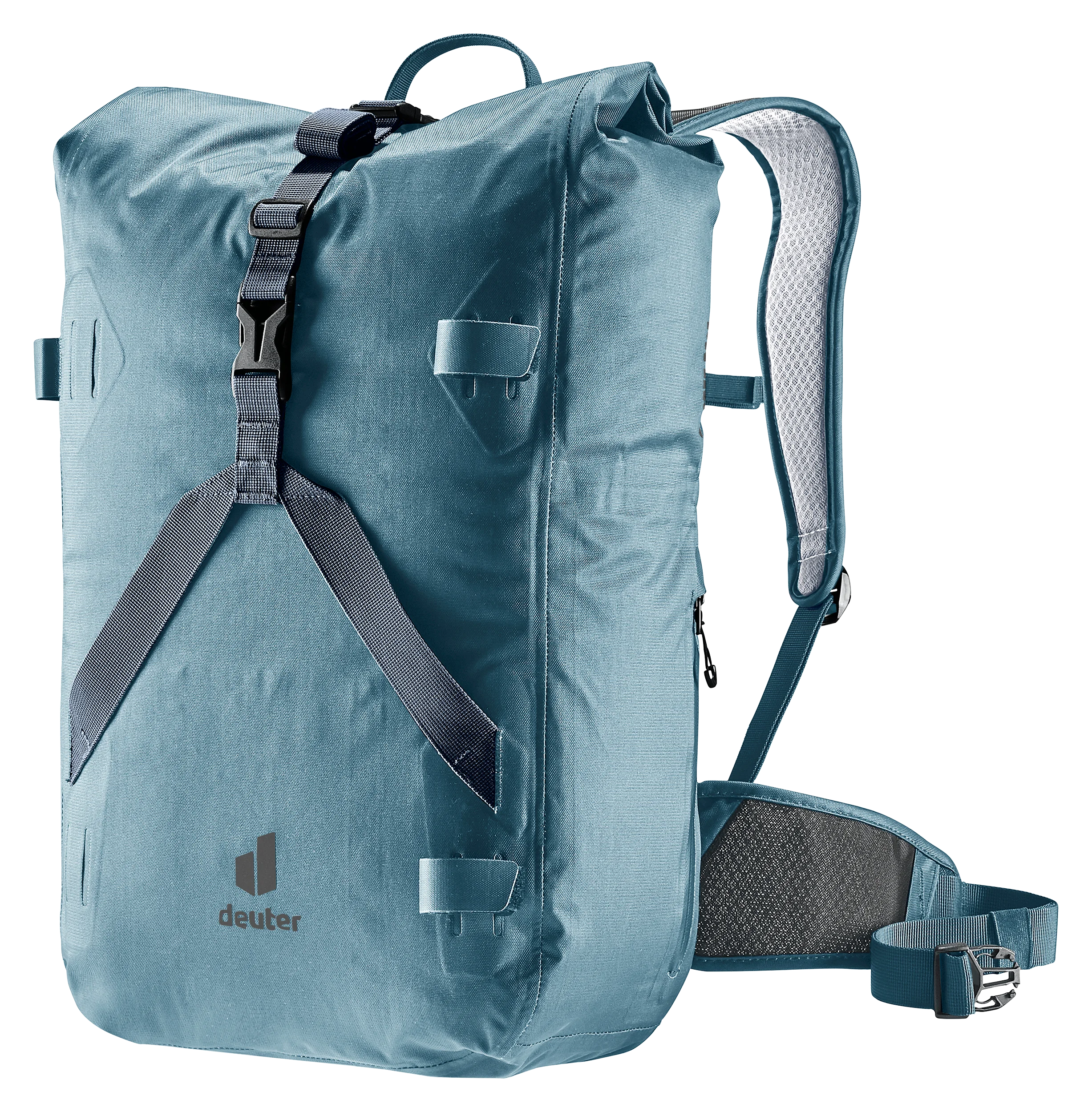
The Visby is the waterproof (IPX4) bike pannier for cyclists who value durability and functionality in all weather conditions. Made from hard-wearing TPU material with radio-frequency welded seams, it reliably protects contents from rain and splashing water, while the roll-top closure offers flexible packing and additional volume when needed. The BagFix quick-release system ensures secure, precise attachment to a wide range of bike racks, and with its versatile design and detachable shoulder strap, the Visby transitions seamlessly from daily commuting to longer touring adventures.
More waterproof companions
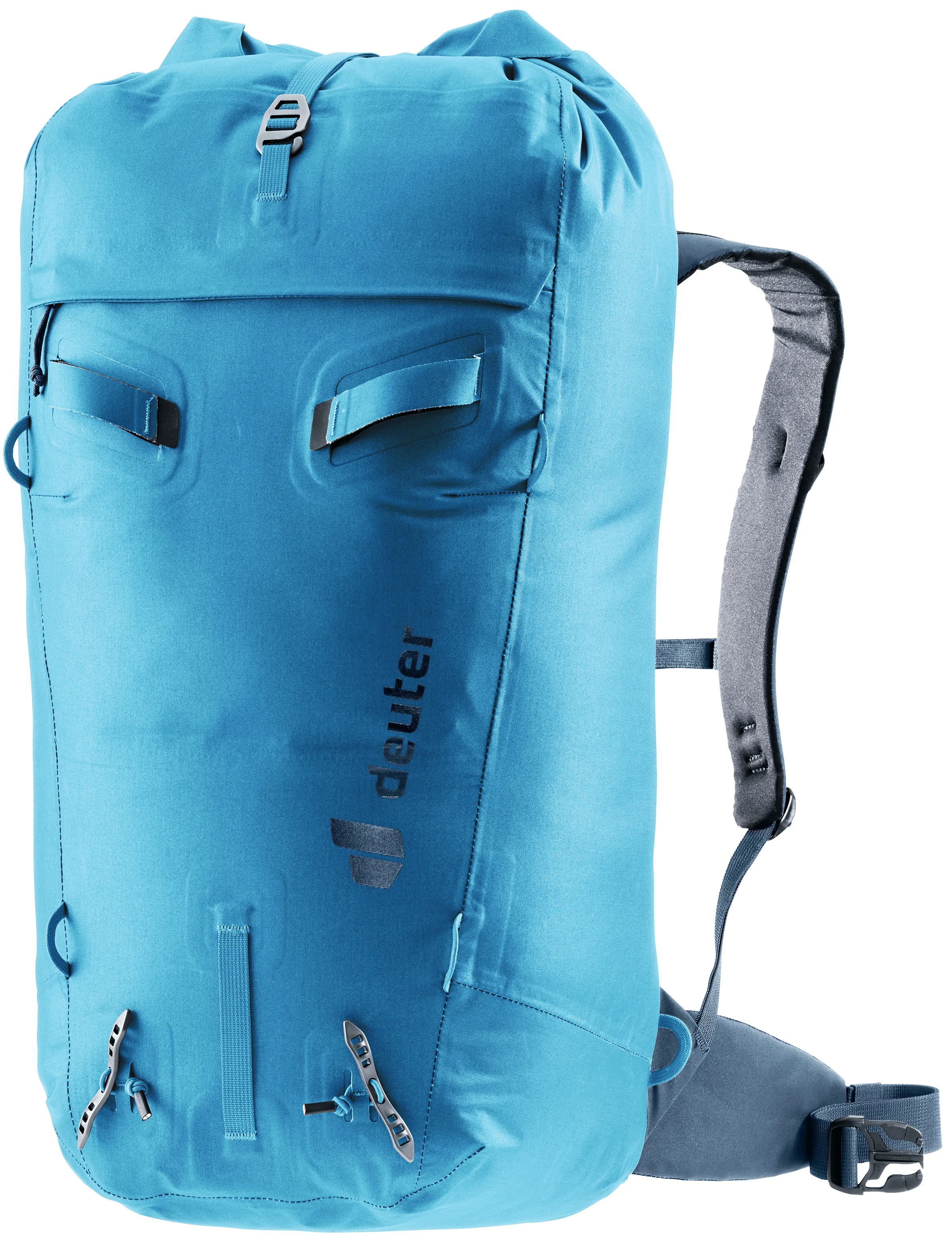
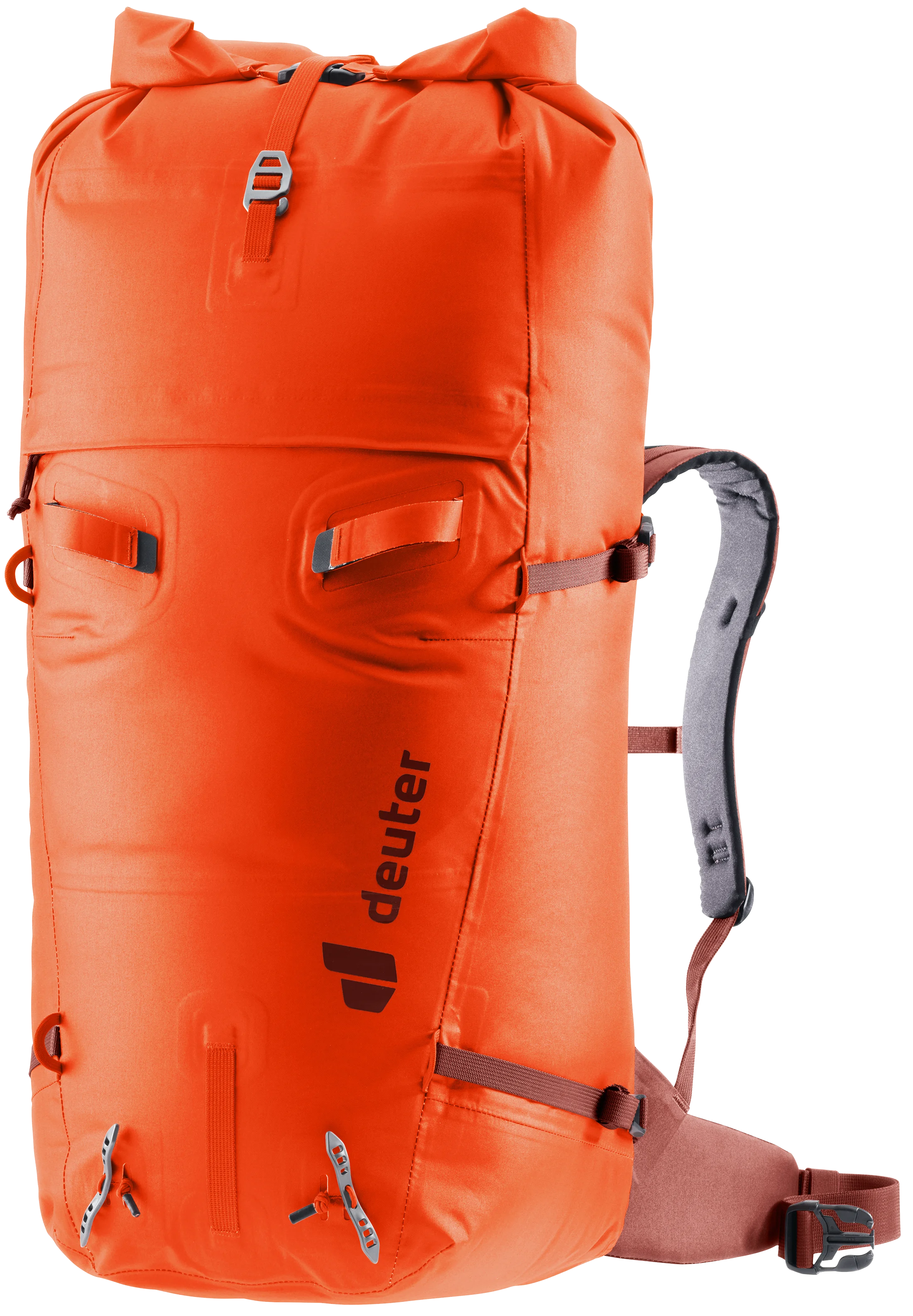
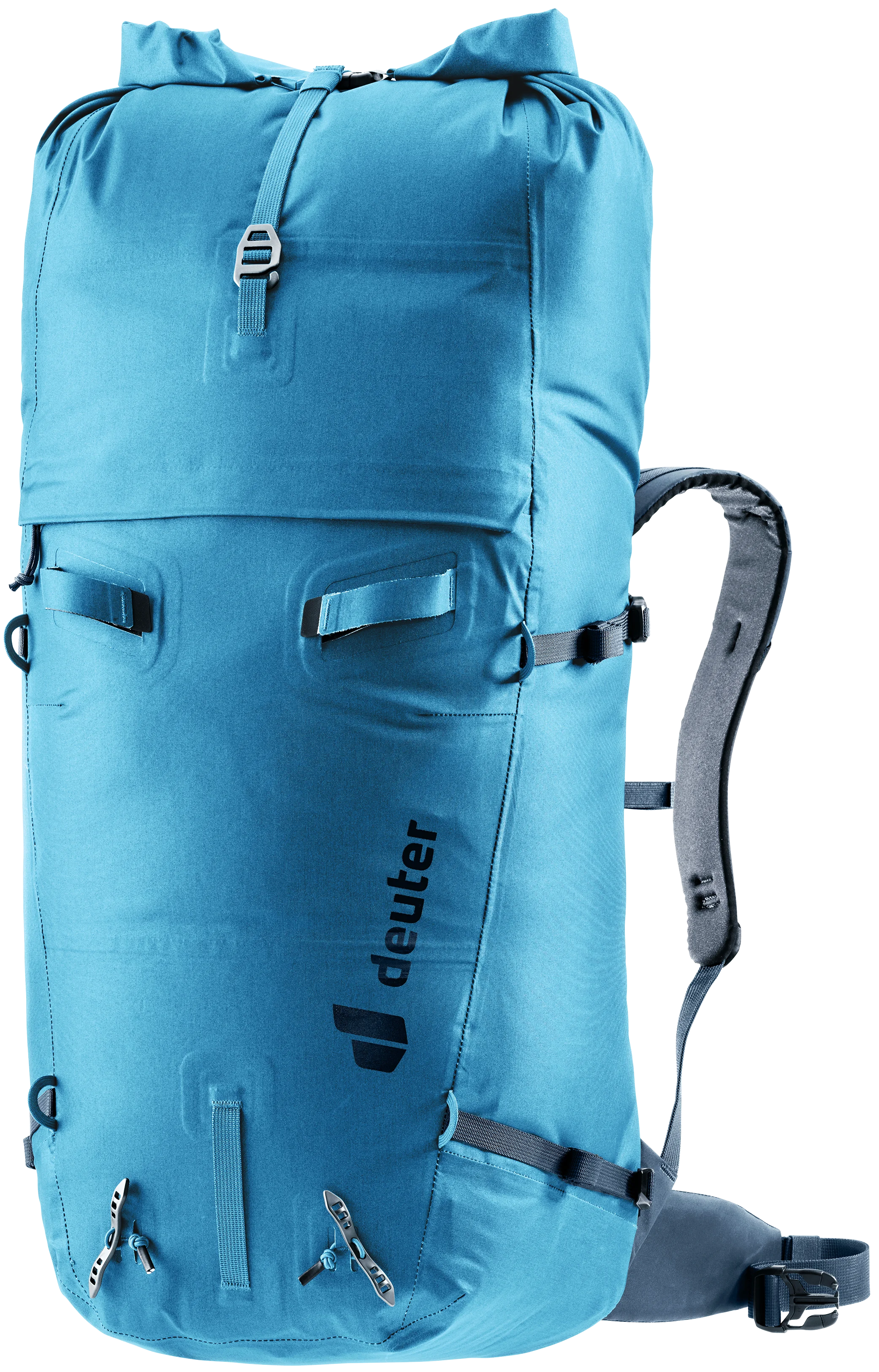
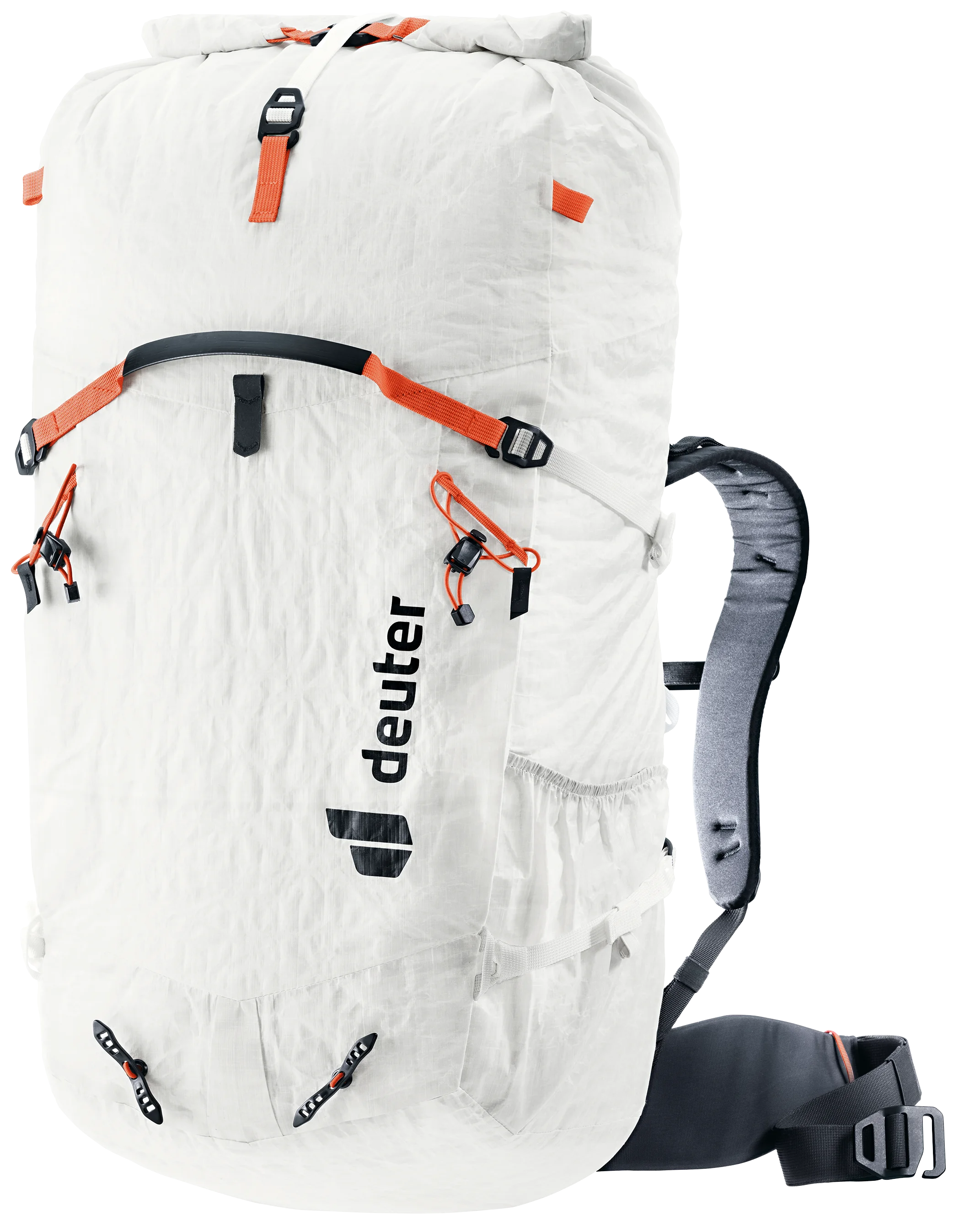
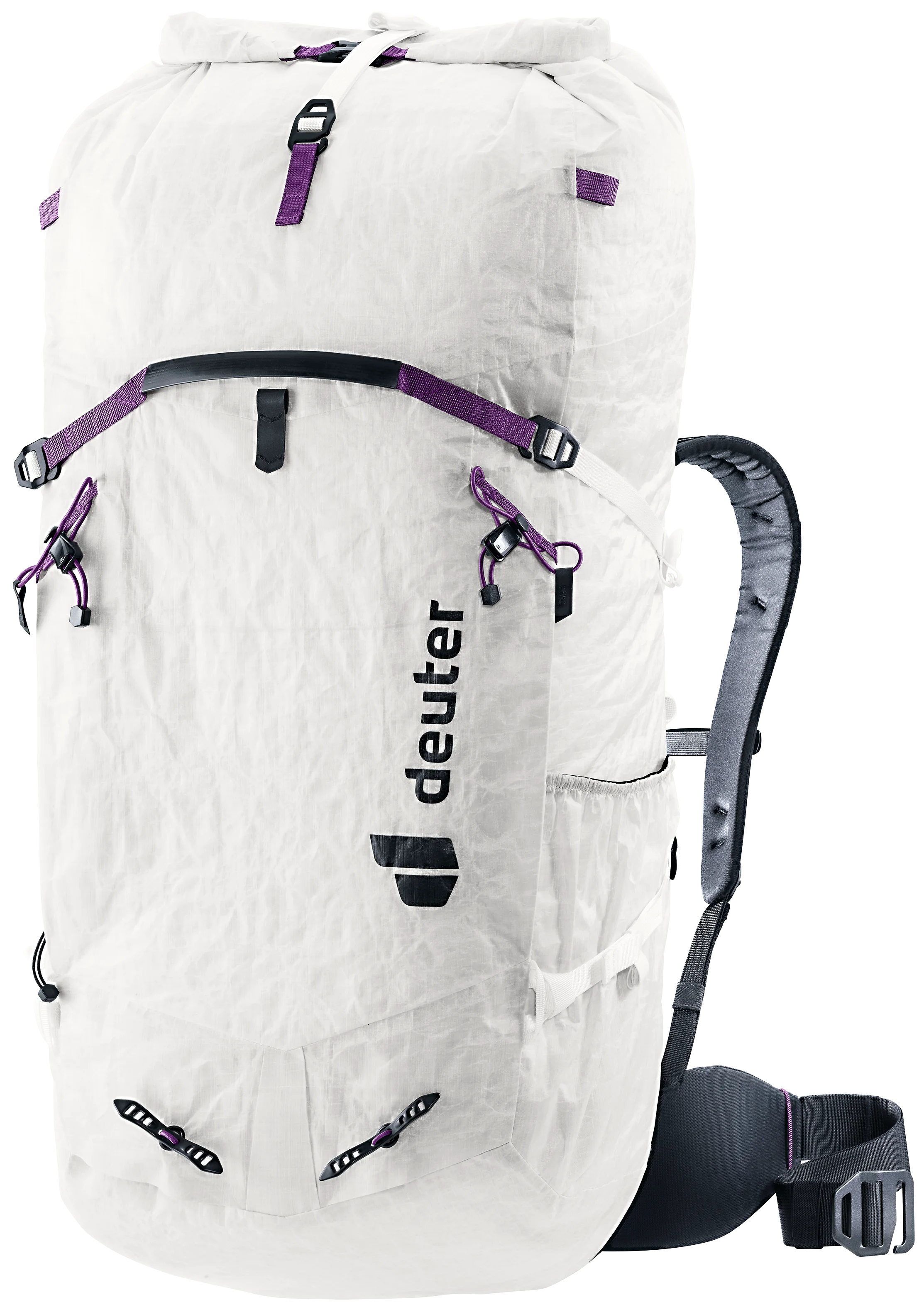
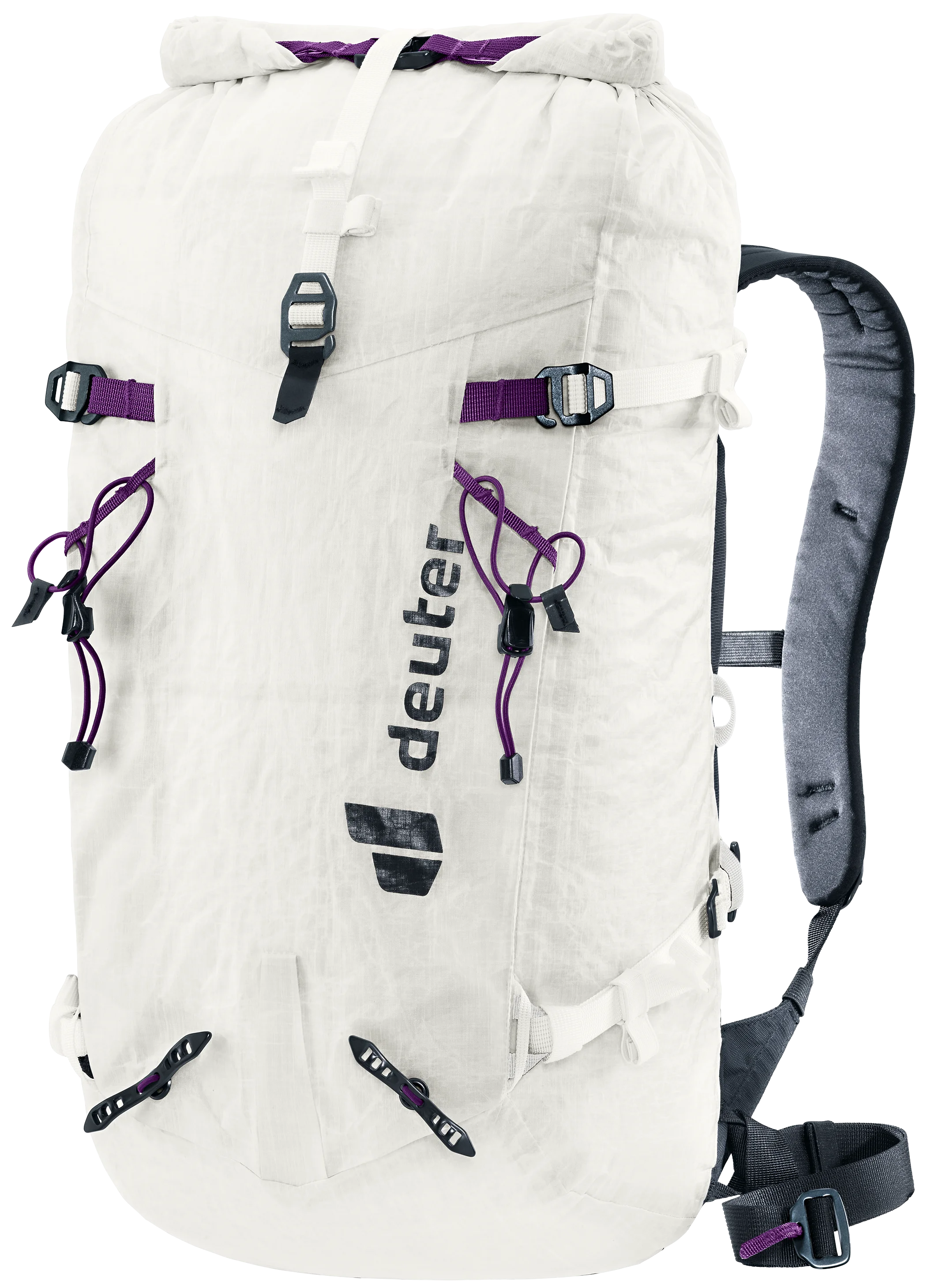
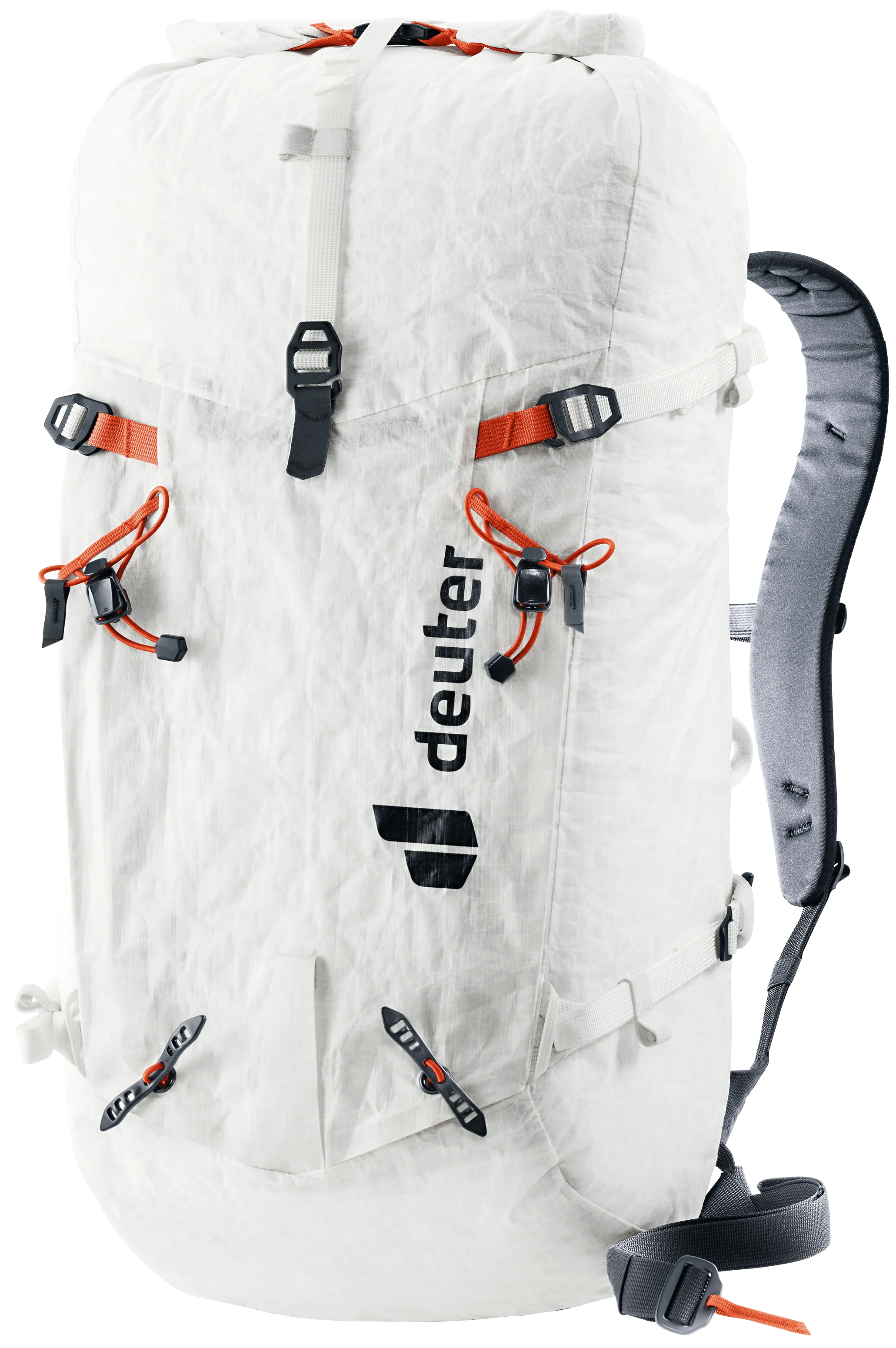
Vertrail
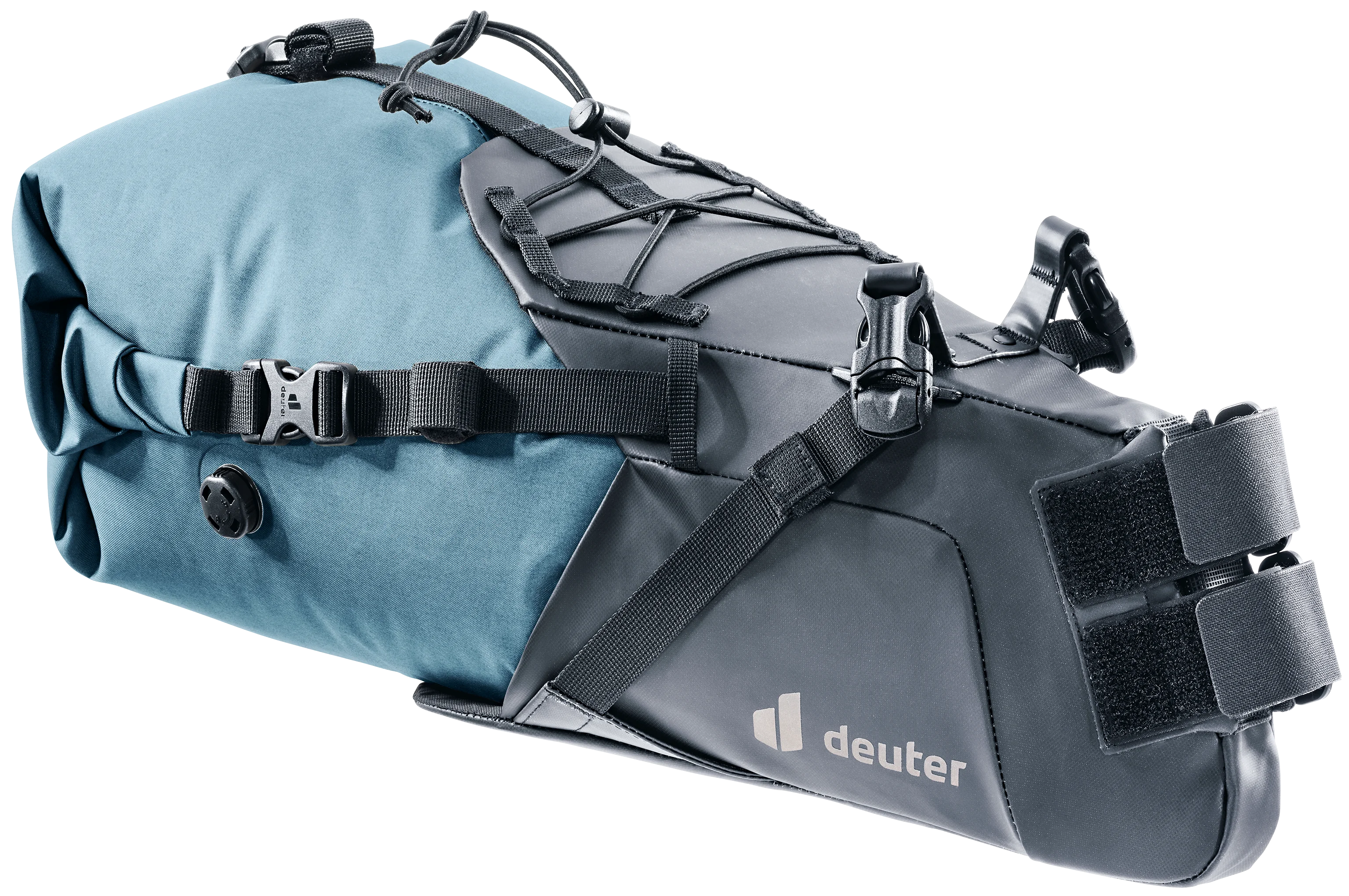
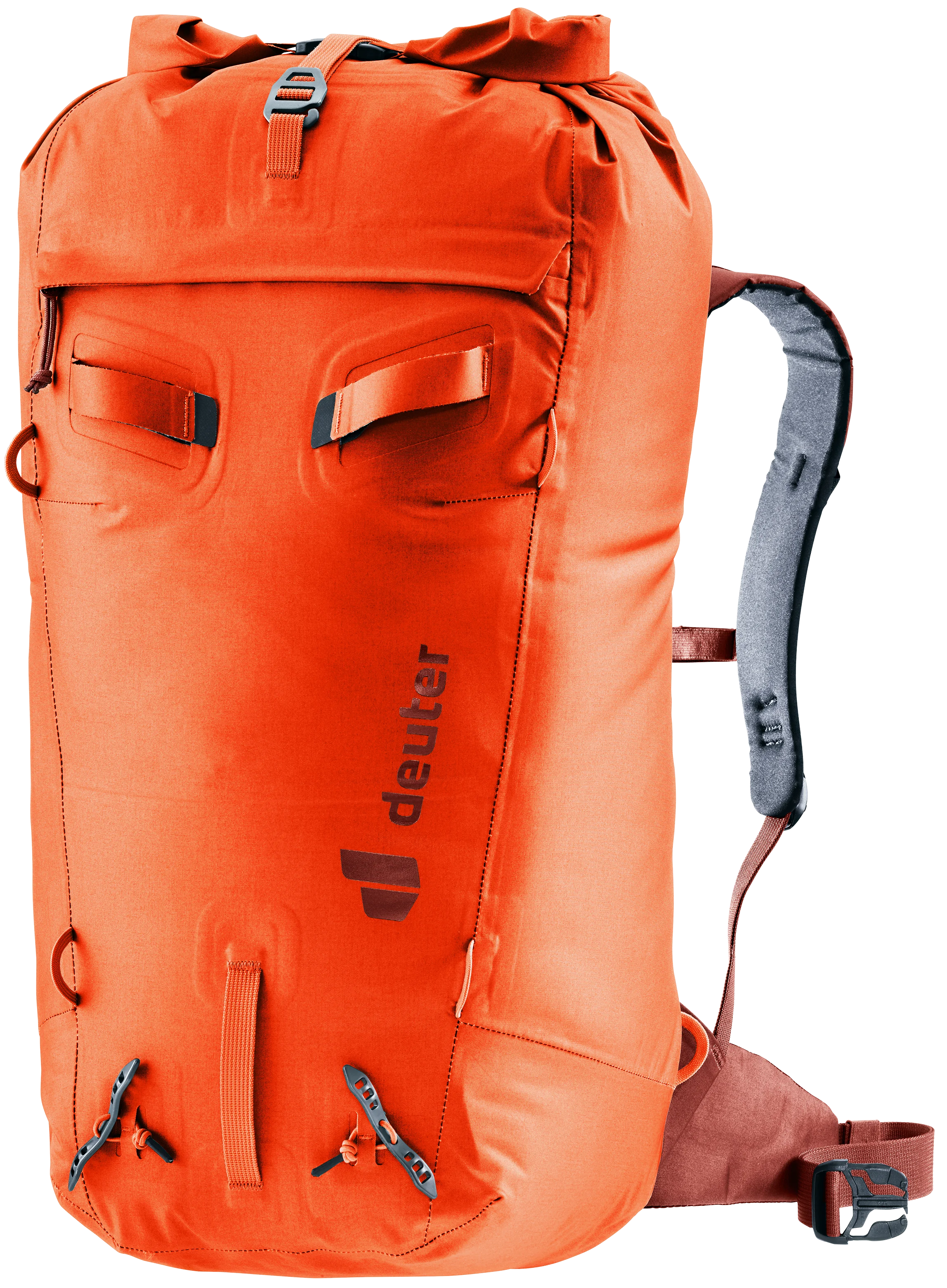
Designed for fast-moving mountaineers, the Vertrail is a waterproof (IPX4) backpack that performs in all weather conditions. Its innovative Waistcoat Carry System provides a close, stable fit, while durable materials, fully taped seams, TPU-coated zips and a roll-top closure help keep your gear dry and protected throughout your adventure.
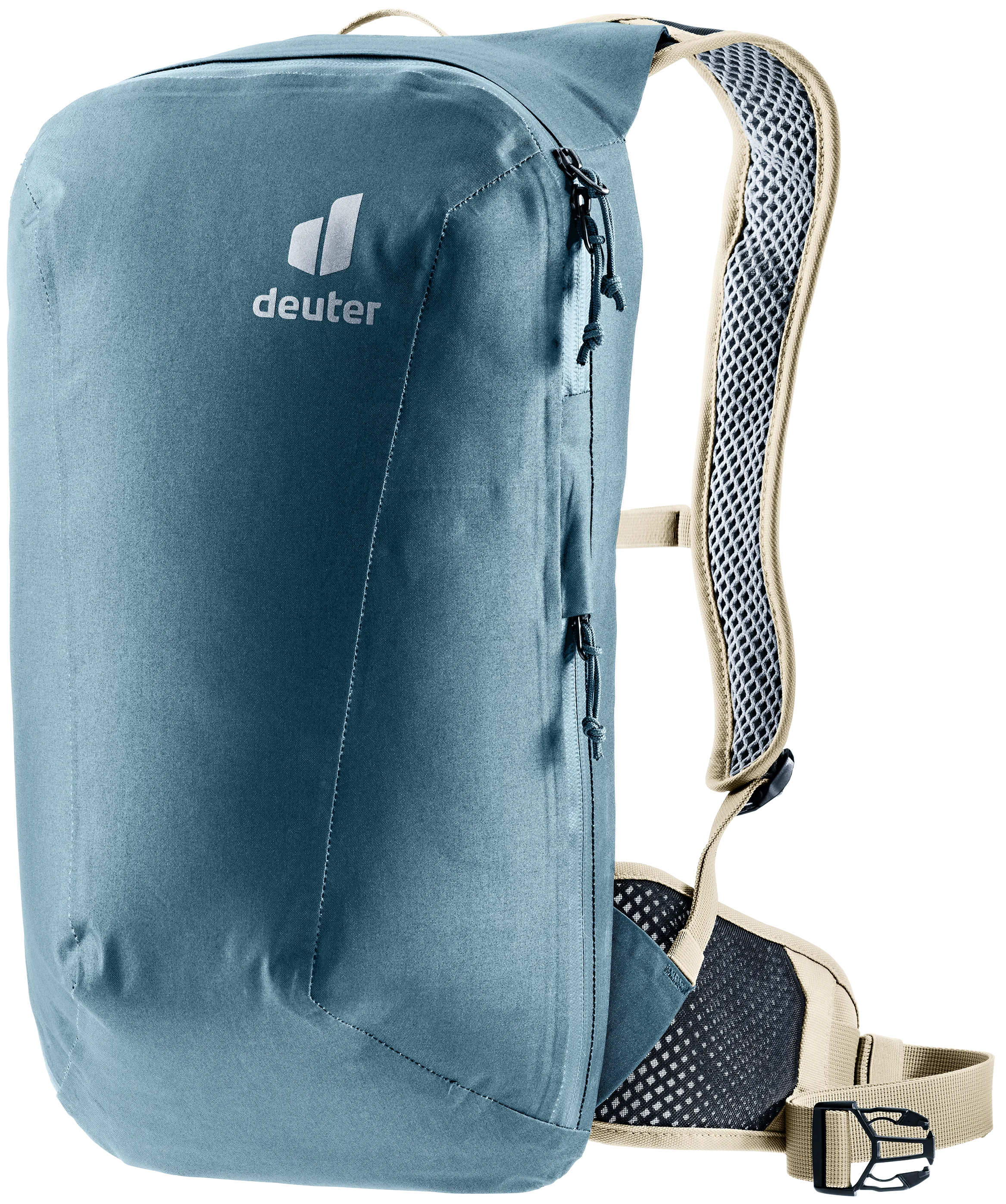
Plamort
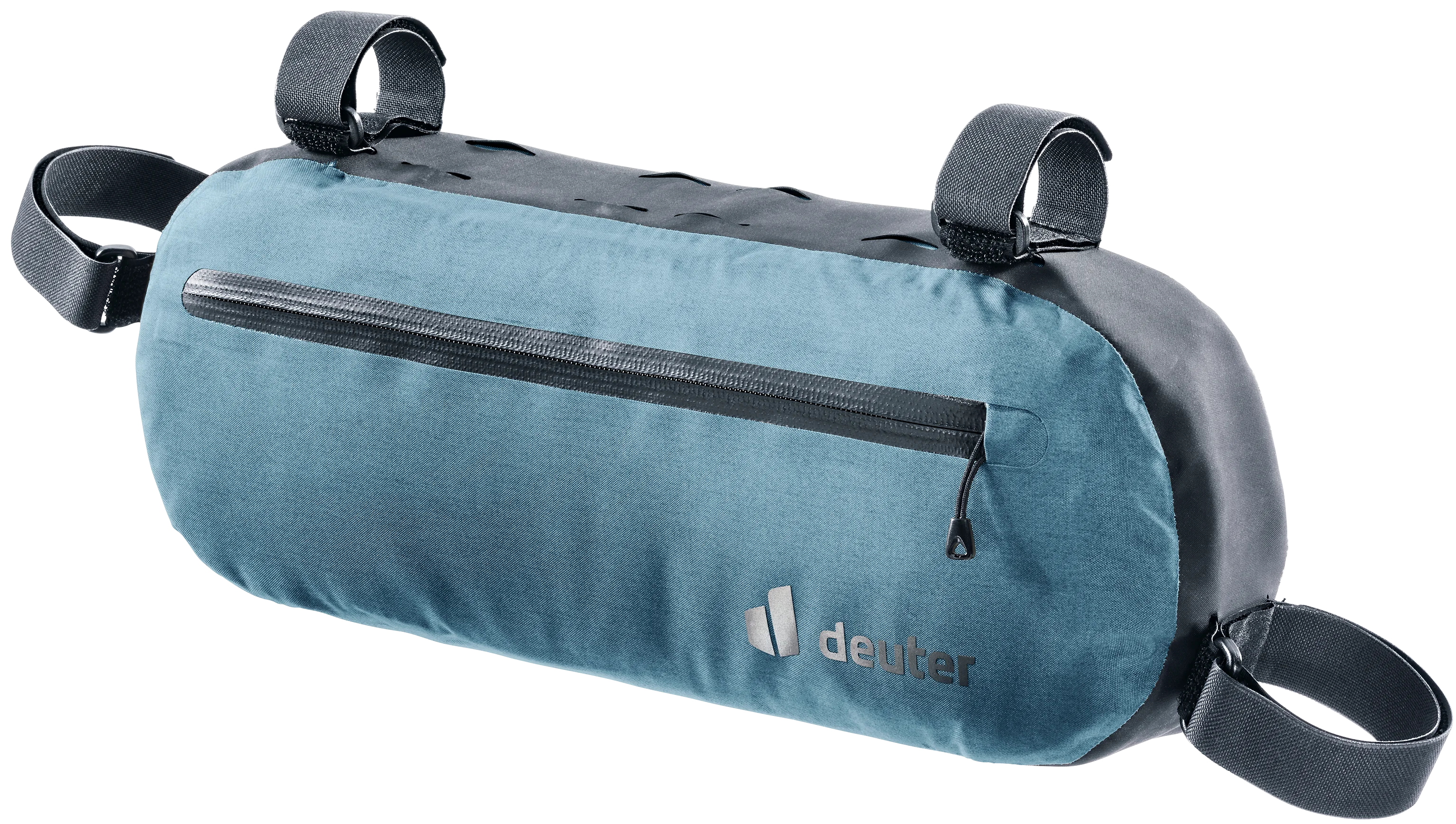
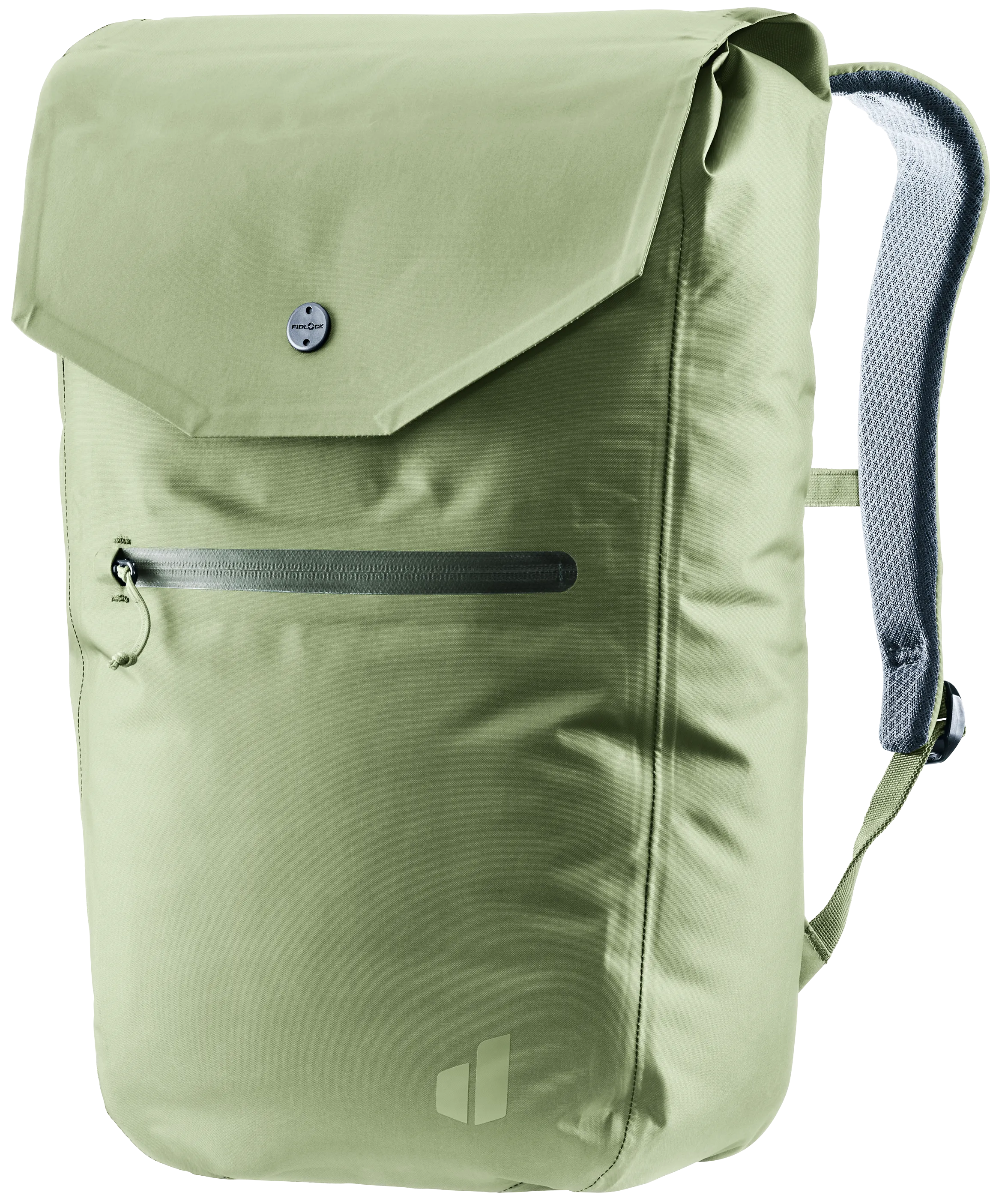
Plamort is our lightweight bike backpack for rainy days with a very good weight-to-comfort ratio. Its air-permeable Airstripes back system guarantees optimal ventilation and sits compactly on the back even on sporty trails thanks to ergonomic shoulder straps, chest strap and mesh hip fins. Durable material, taped, hot-press sealed seams and TPU coated zips reliably protect the contents of the Plamort from rain or splashing water. Thanks to the practical 2-way zipper construction for easy and quick handling, the Plamort made of waterproof material does not reach the IPXX class of a waterproof product, but is in no way inferior to them - unless you want to take a shower with it.
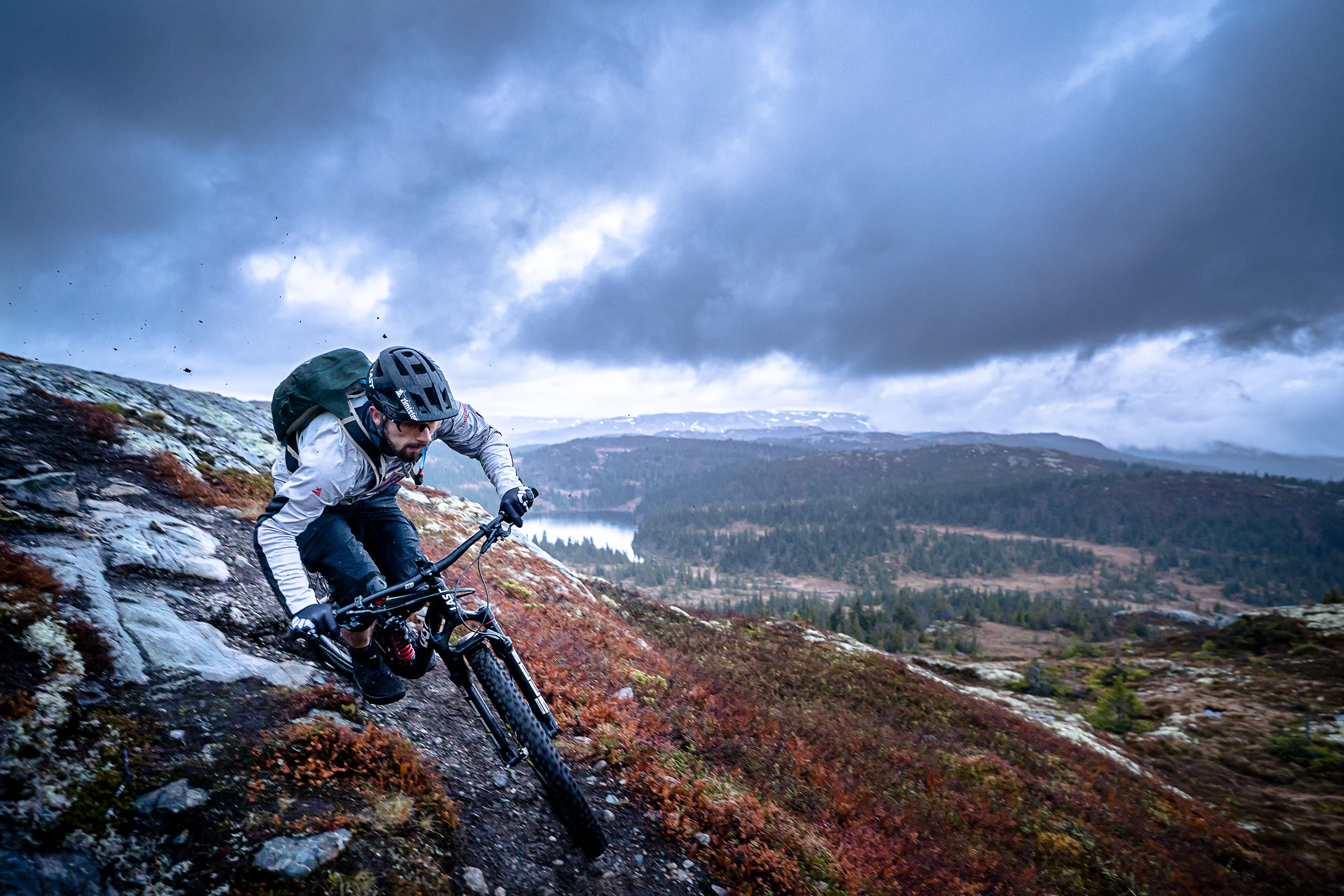
Waterproof products for daily commuting and unlimited fun on your trail
Do not let the rain stop you
How do materials become weather-resistant and waterproof?
We additionally coat the material of our products on the inside and in the floor area with a PU coating. This is a protective layer of polyurethane. The PU in liquid form is a durable impregnating agent that is sprayed on as a thin film and has strong water-resistant properties. The layer can be applied easily and repeatedly (especially in the bottom area of backpacks) to the entire textile surface or to individual fibres. The PU coating also provides additional robustness, making textiles more tear-resistant and abrasion-proof.
In contrast to a conventional impregnation or a DWR, a PU coating gives the fabric a permanent impermeability. However, after a certain time the softeners dissolve and the PU coating becomes leaky. Here, however, we are talking about periods of time that even our products designed for durability will not "experience".
Made without PFAS
Per- and polyfluoroalkyl substances (PFAS) are harmful to both the environment and human health. They were long used to waterproof textiles due to their excellent water-, dirt-, and grease-repellent properties.
Due to their widespread use, PFAS can now be found globally—in drinking water, air, breast milk, and even in polar bears. These substances degrade extremely slowly, making them a long-term risk for humans, animals, and nature.
Fortunately, environmentally friendly alternatives are now available. Since 2019, we have eliminated PFAS from our DWR (Durable Water Repellent) treatments while maintaining high-performance water and dirt resistance.
Our current surface treatment is environmentally friendly and harmless to health, helping us take another step toward more responsible and sustainable business practices.
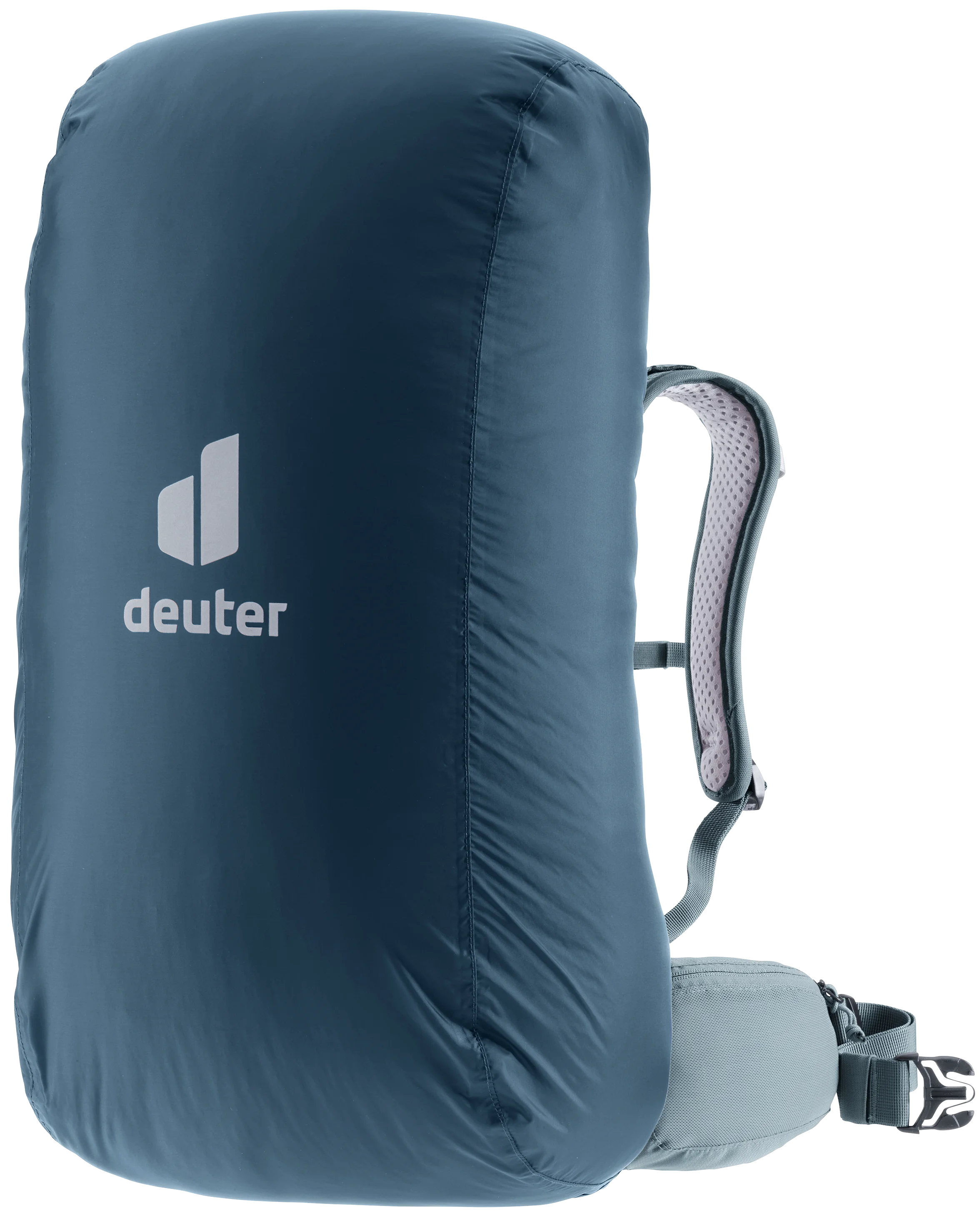
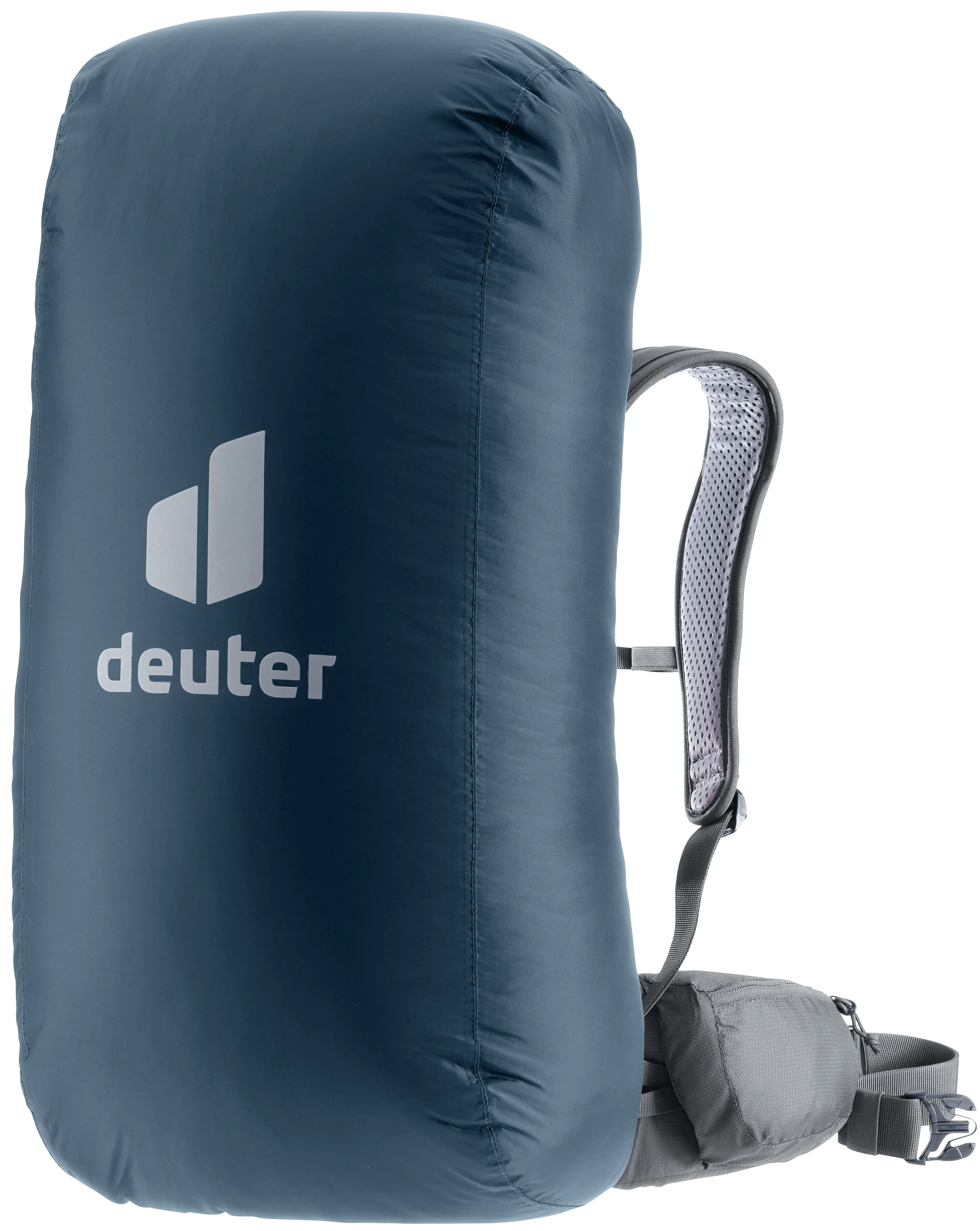
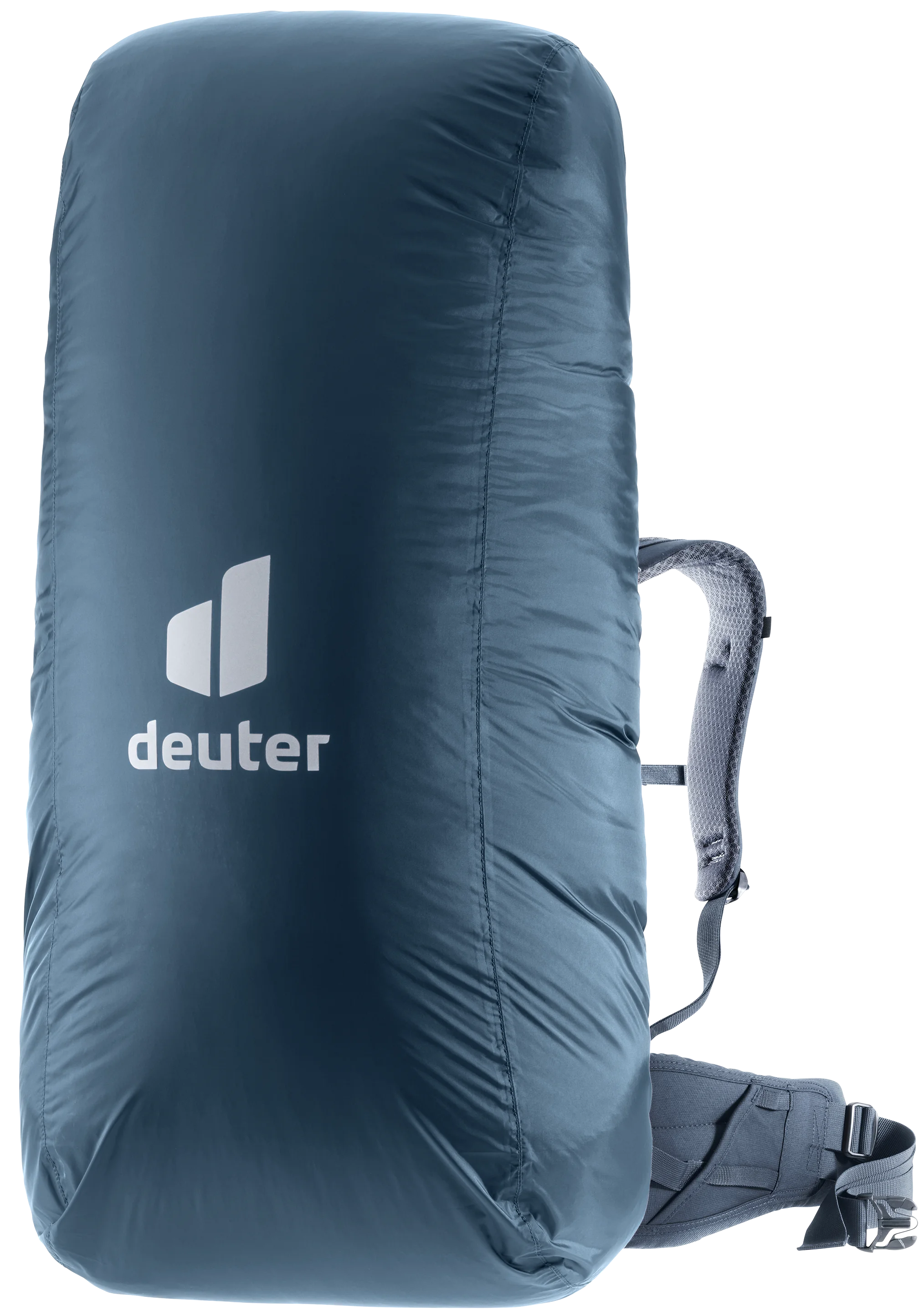
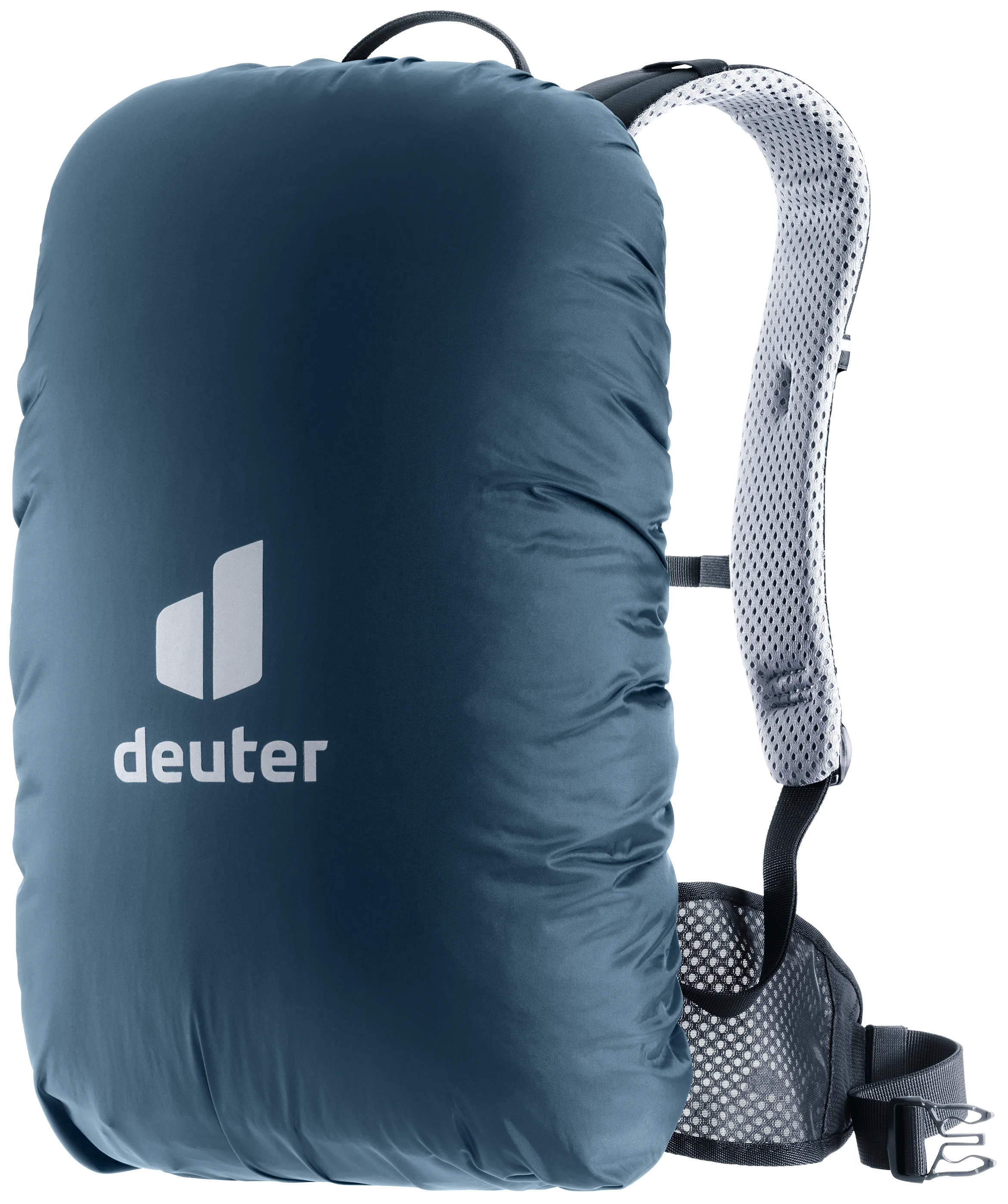
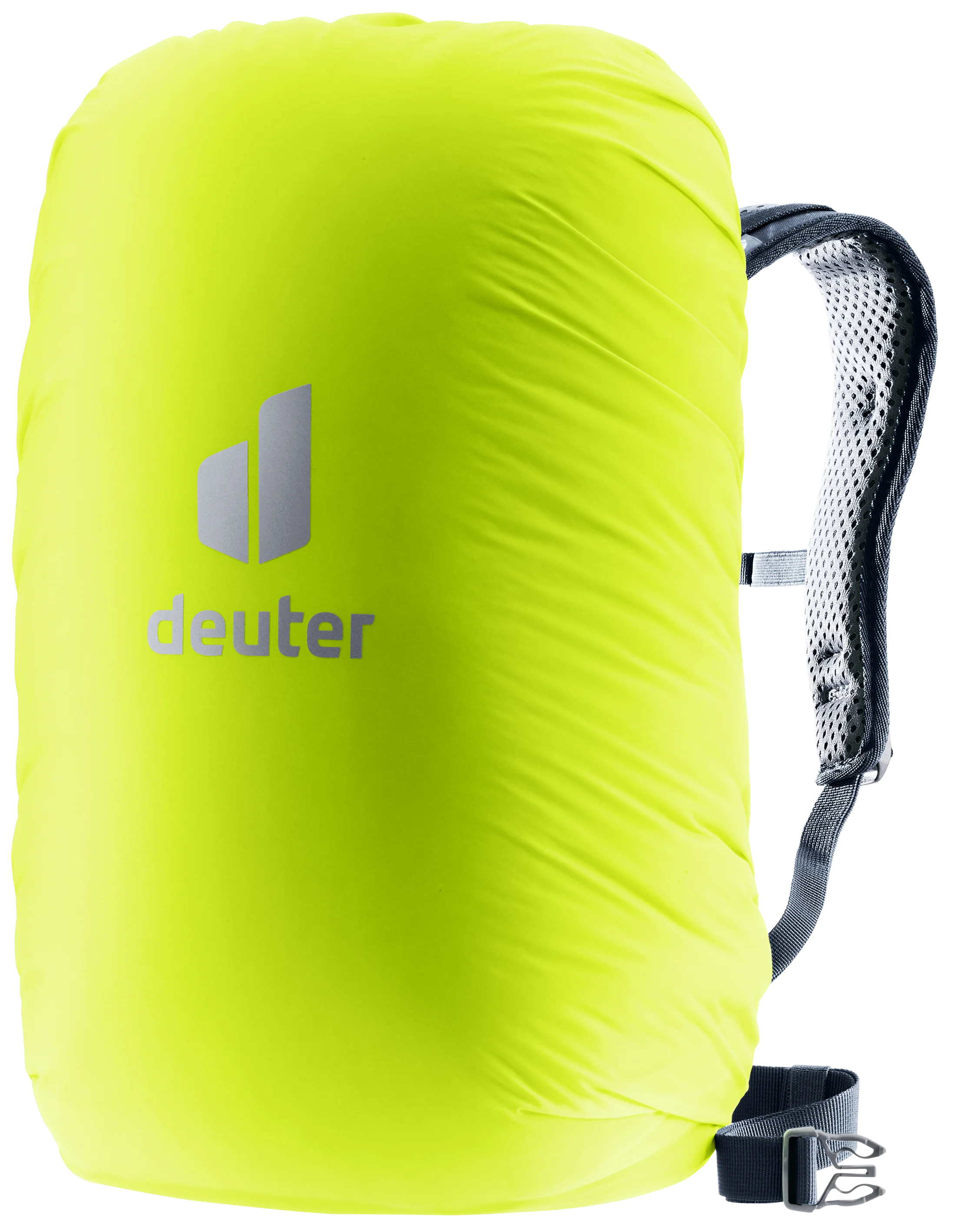
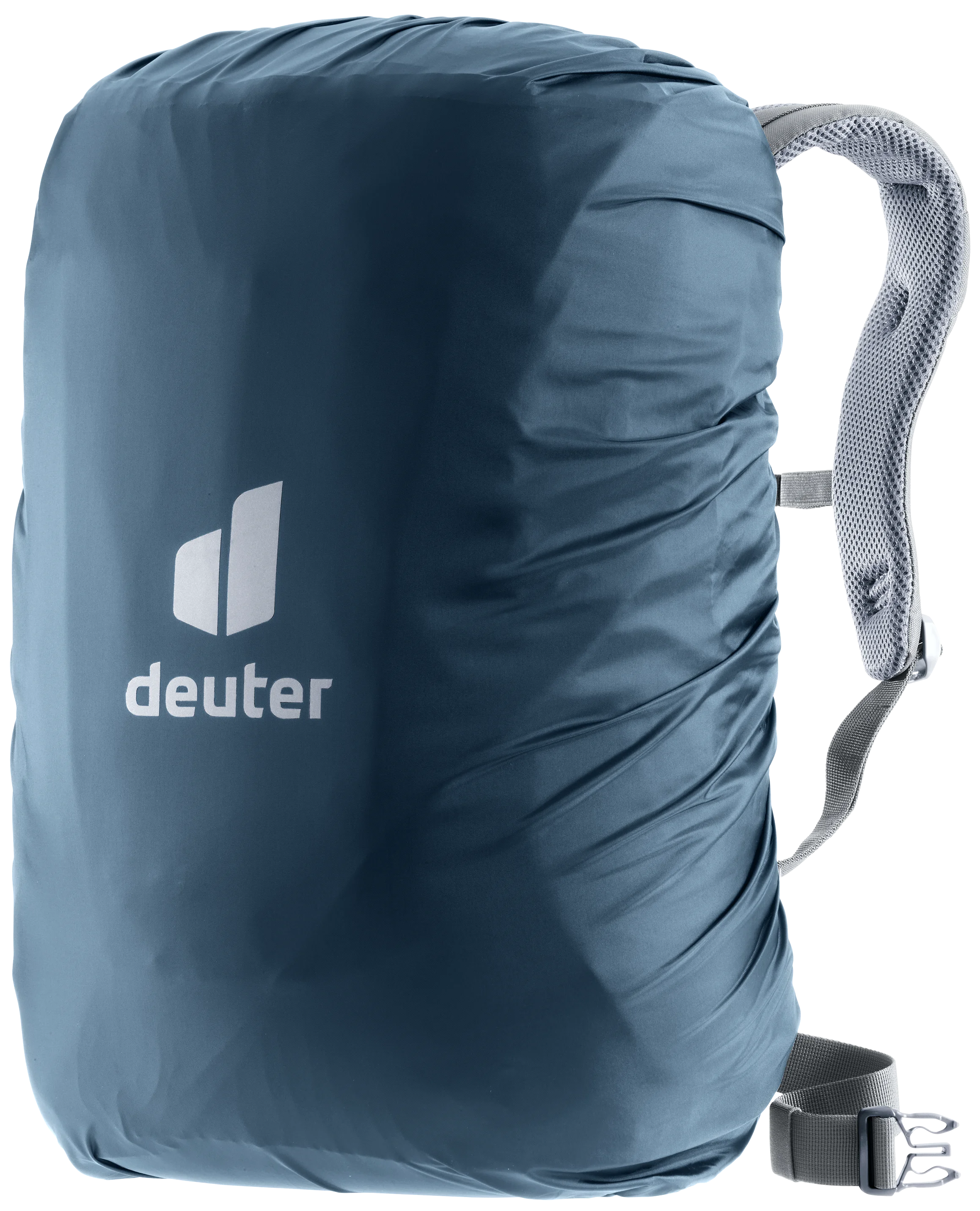
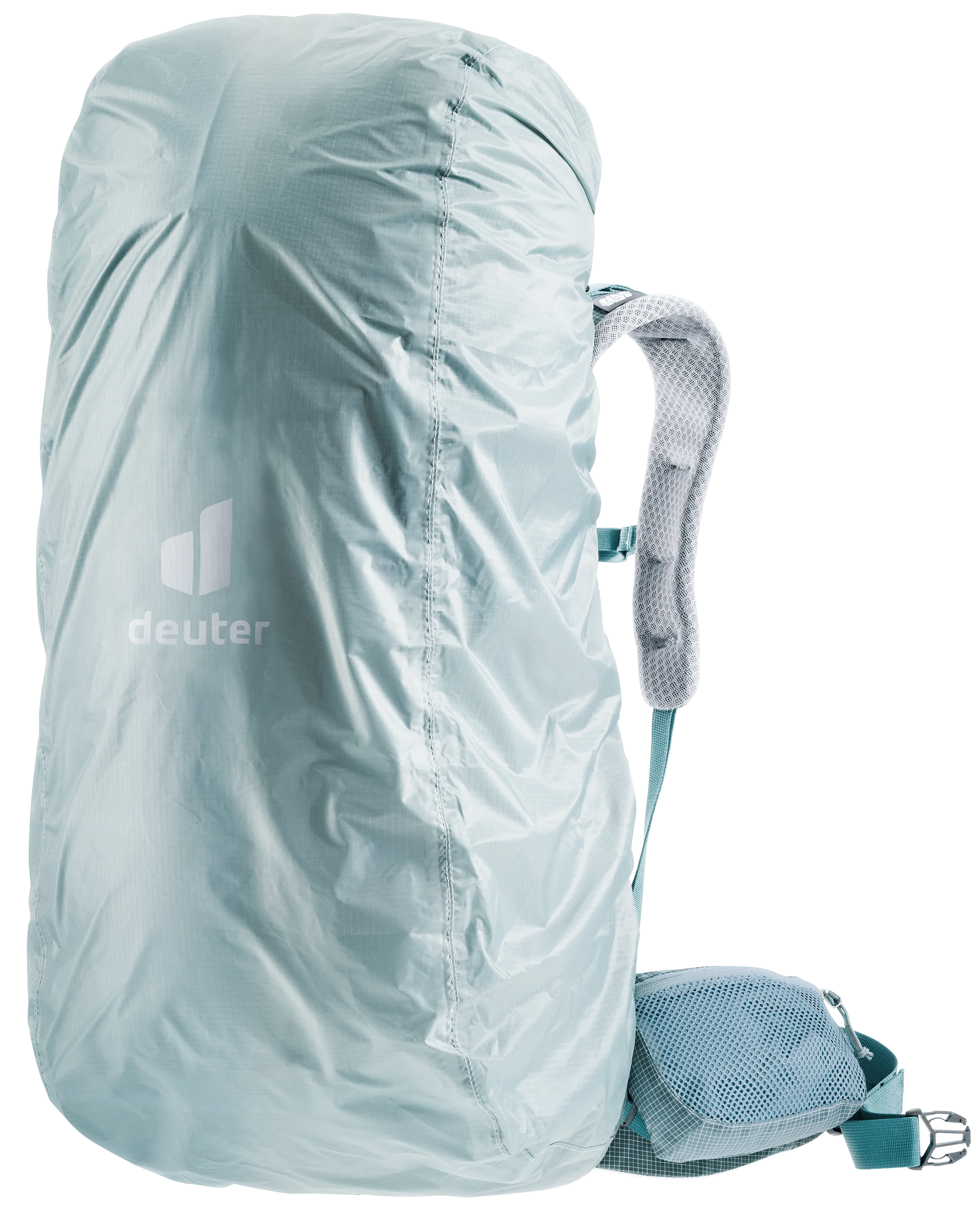
Suitable rain cover for your backpack
To keep your equipment safely dry
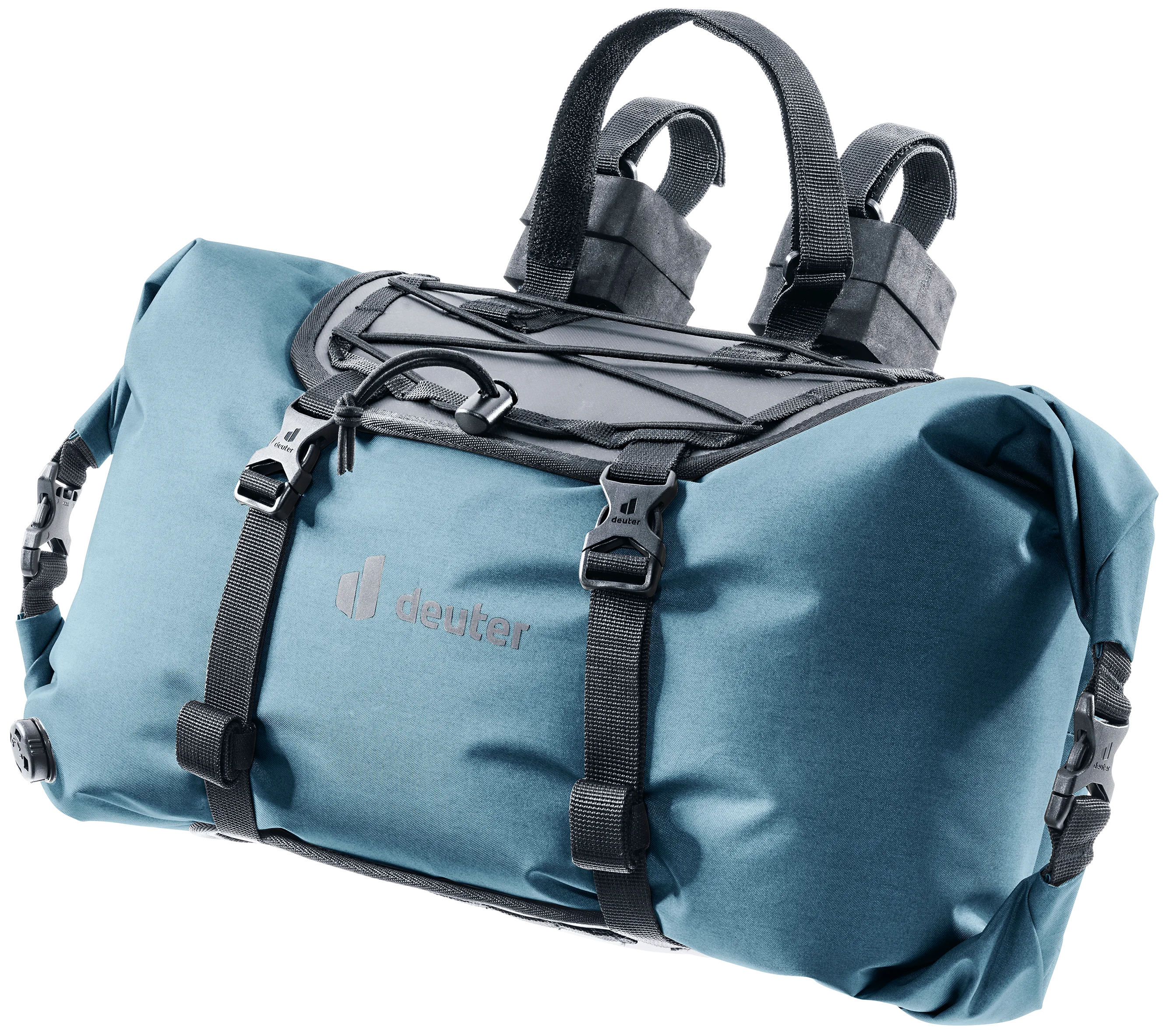
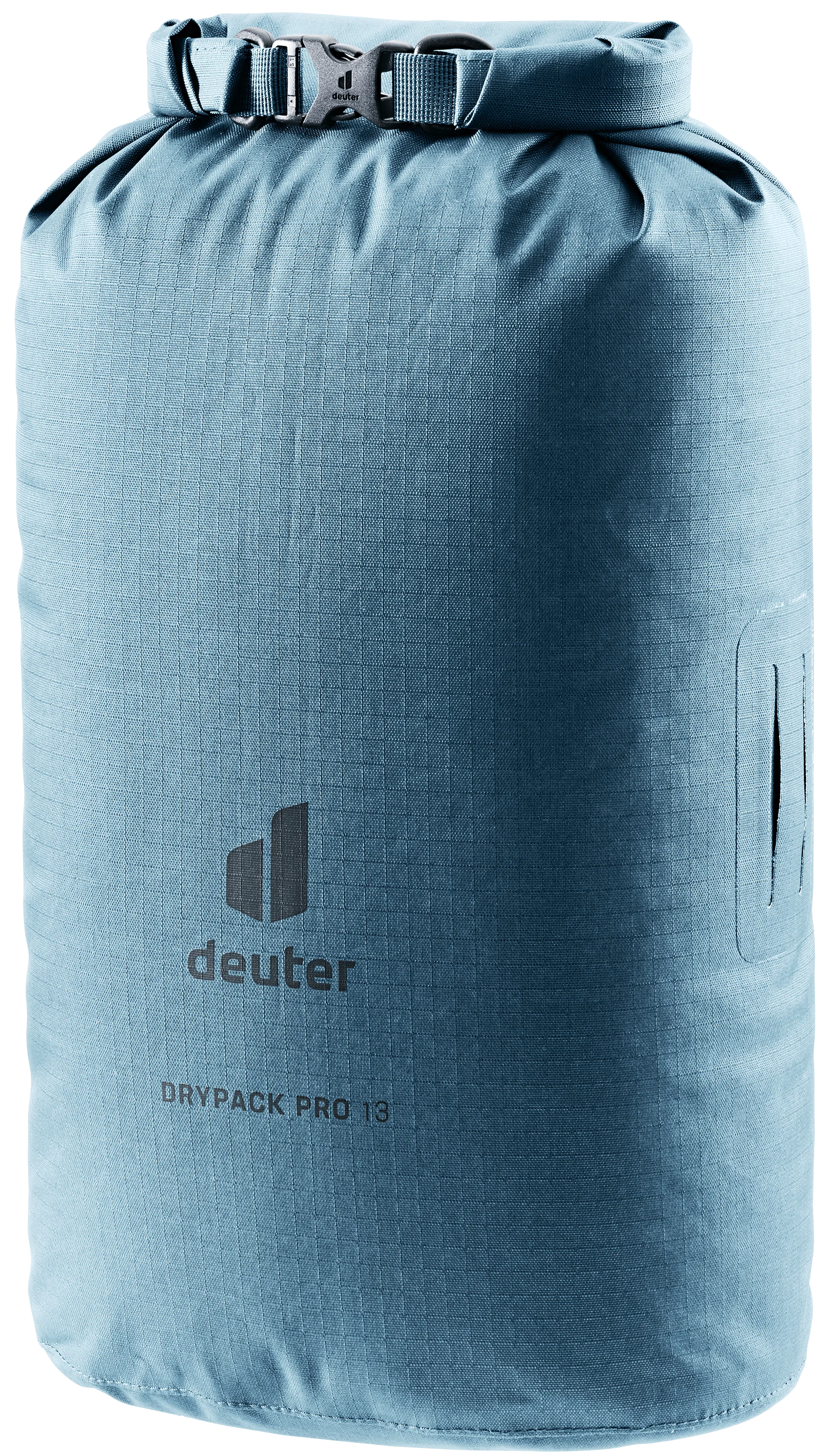
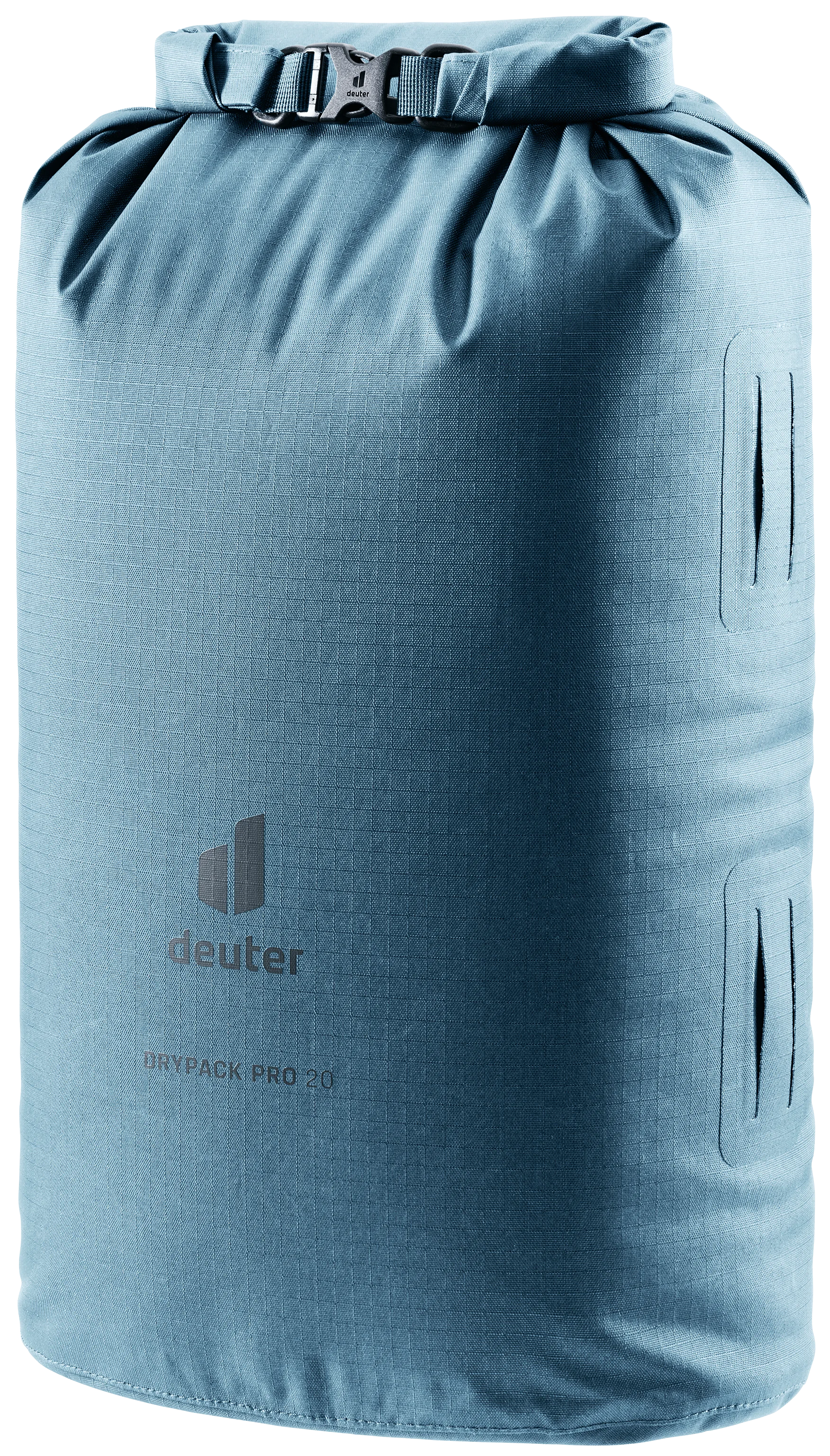
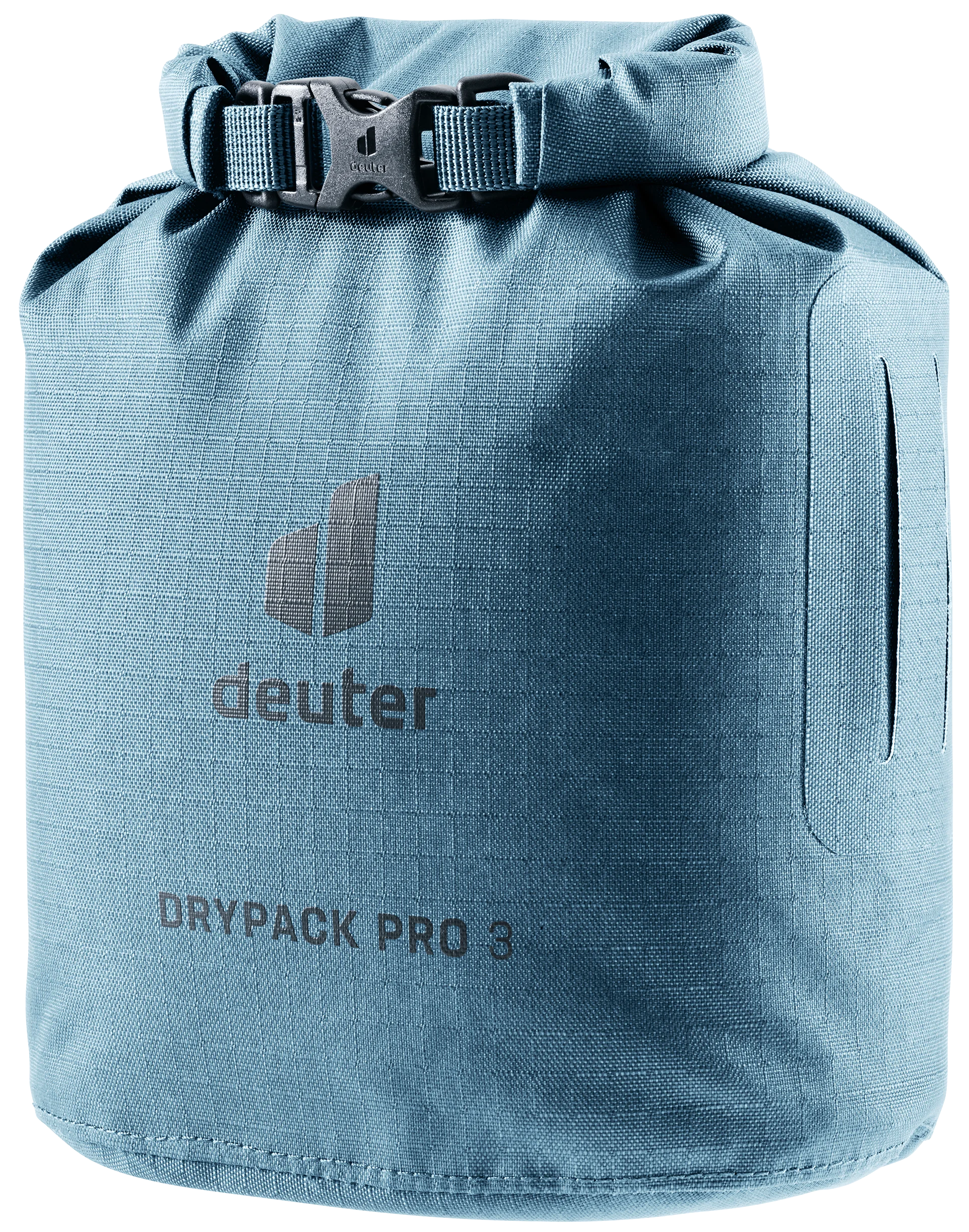
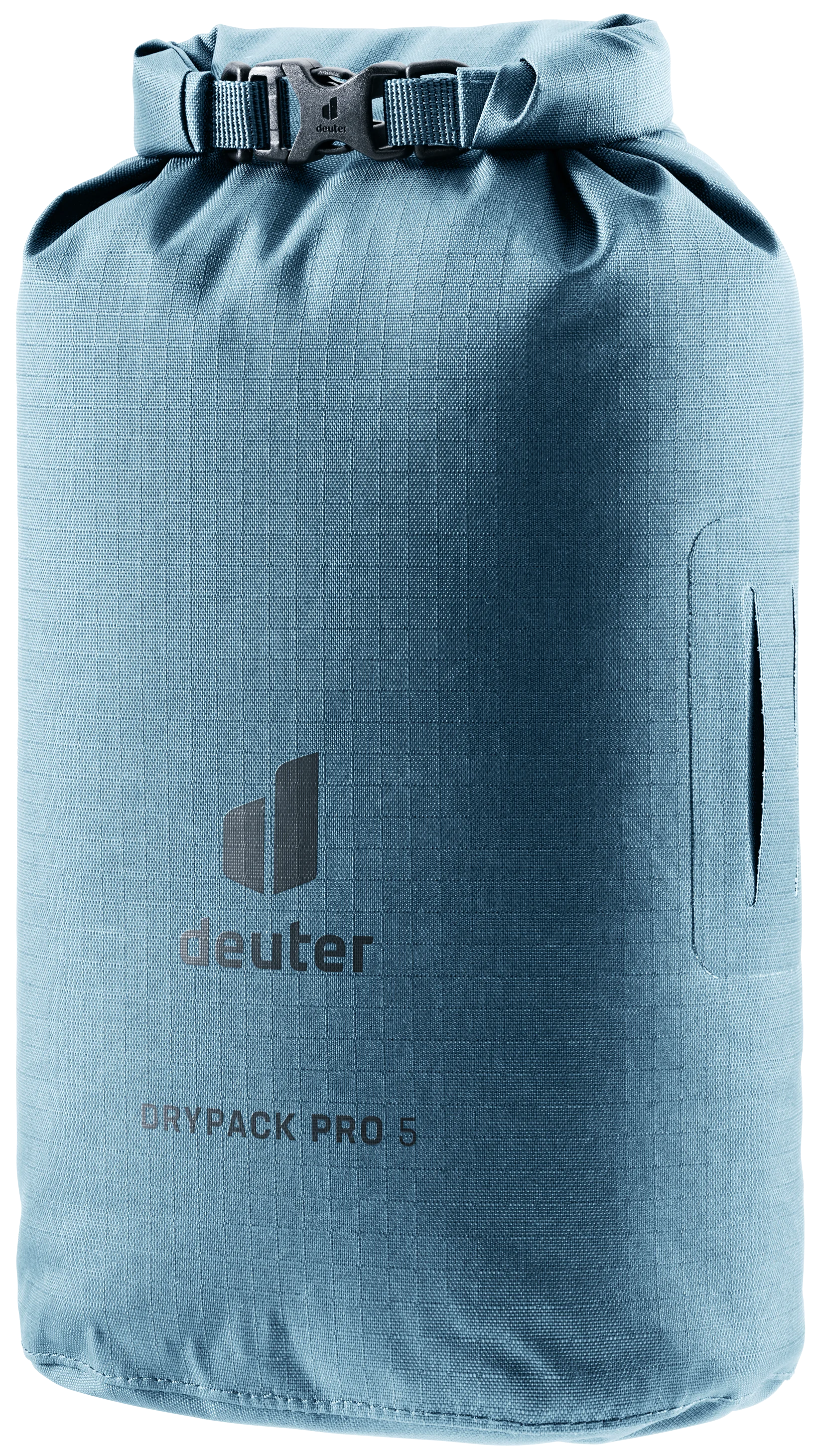
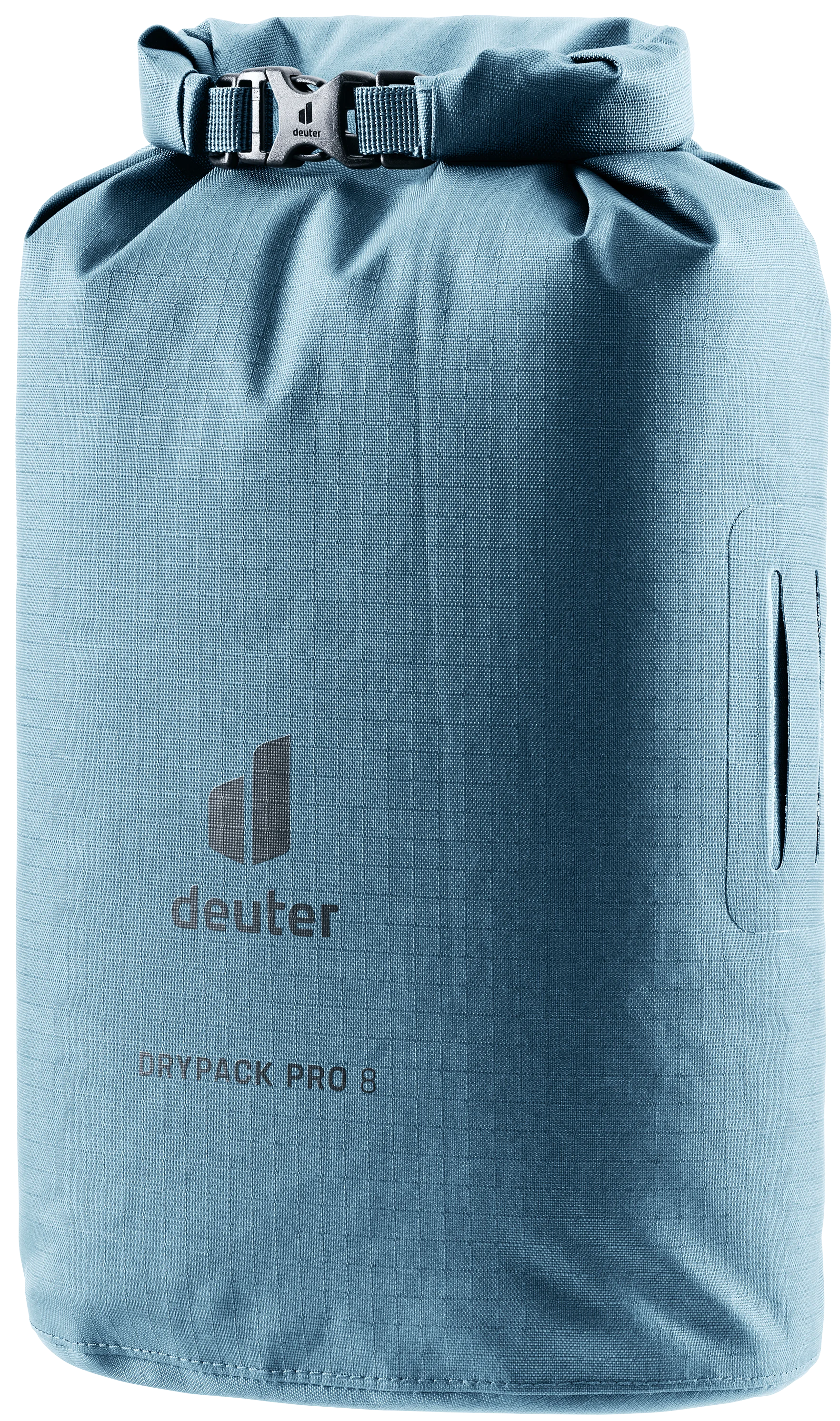
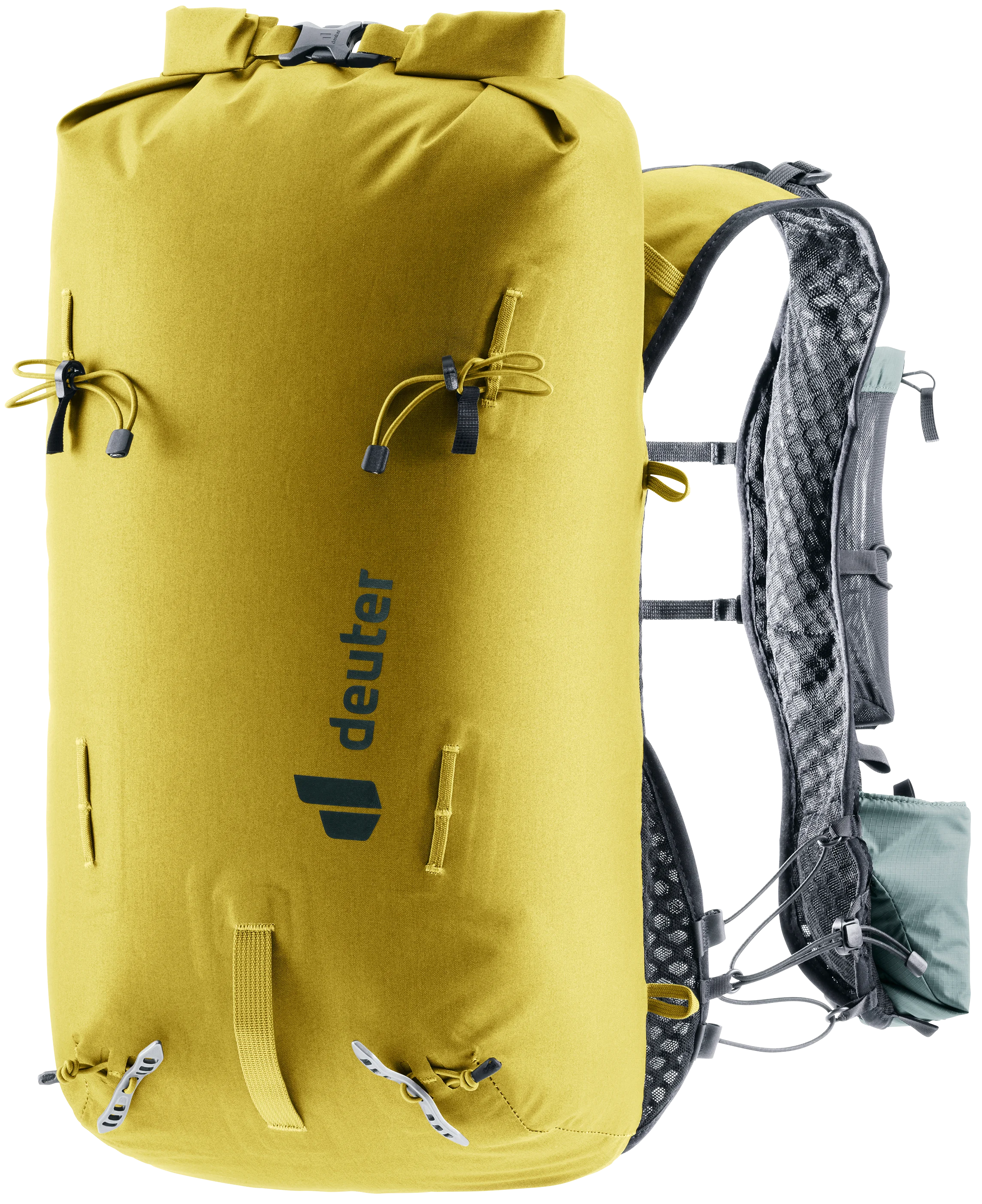
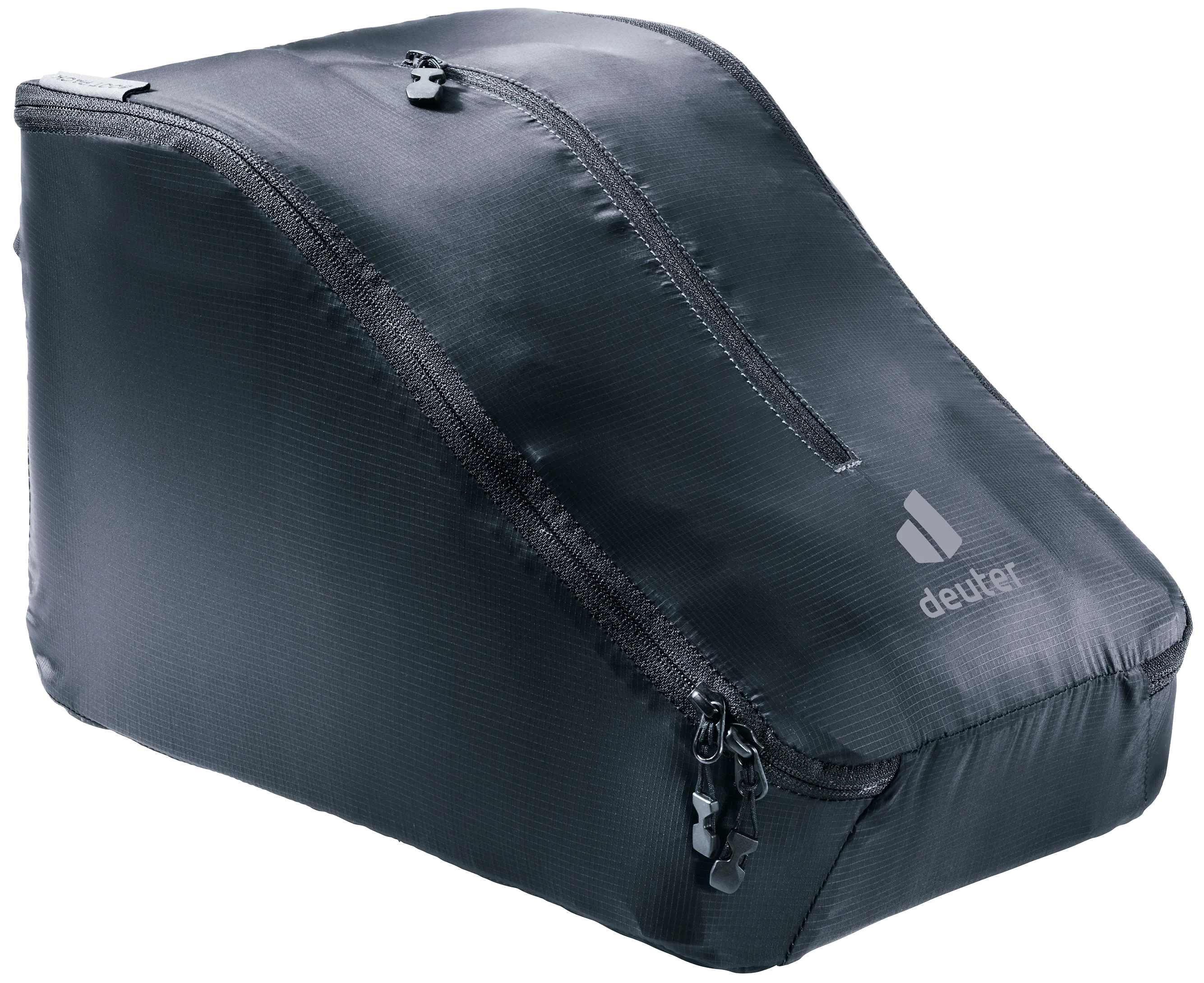
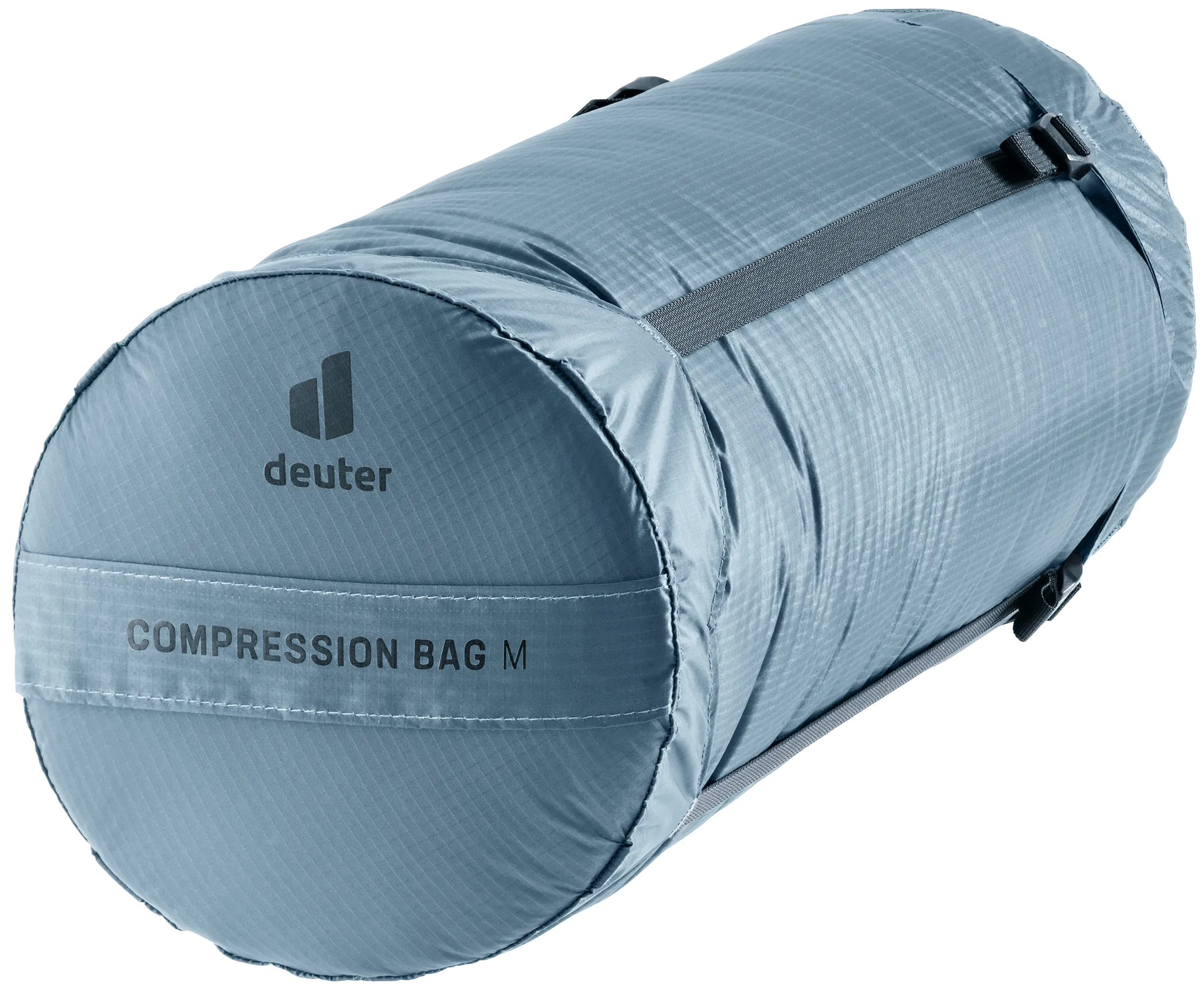
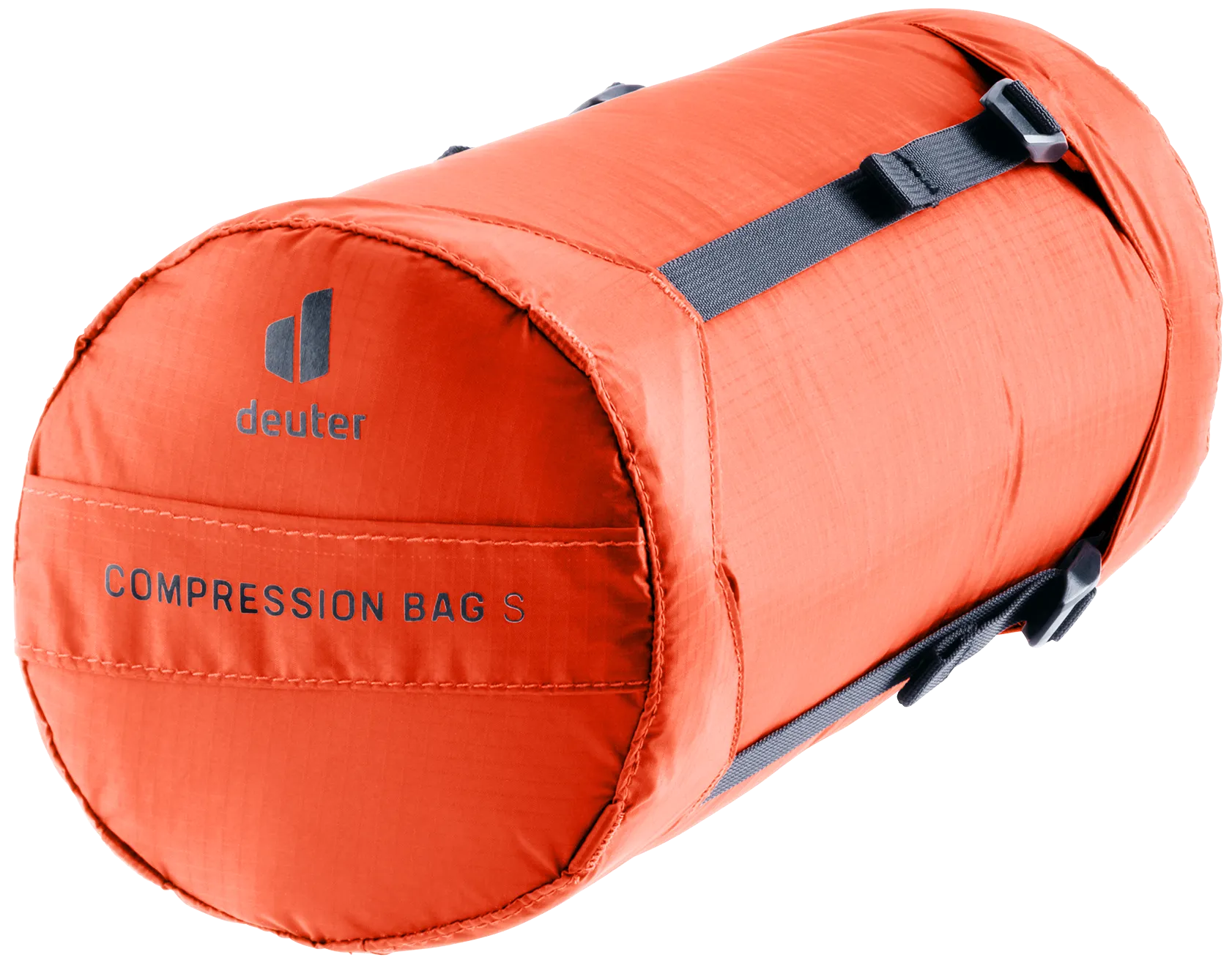
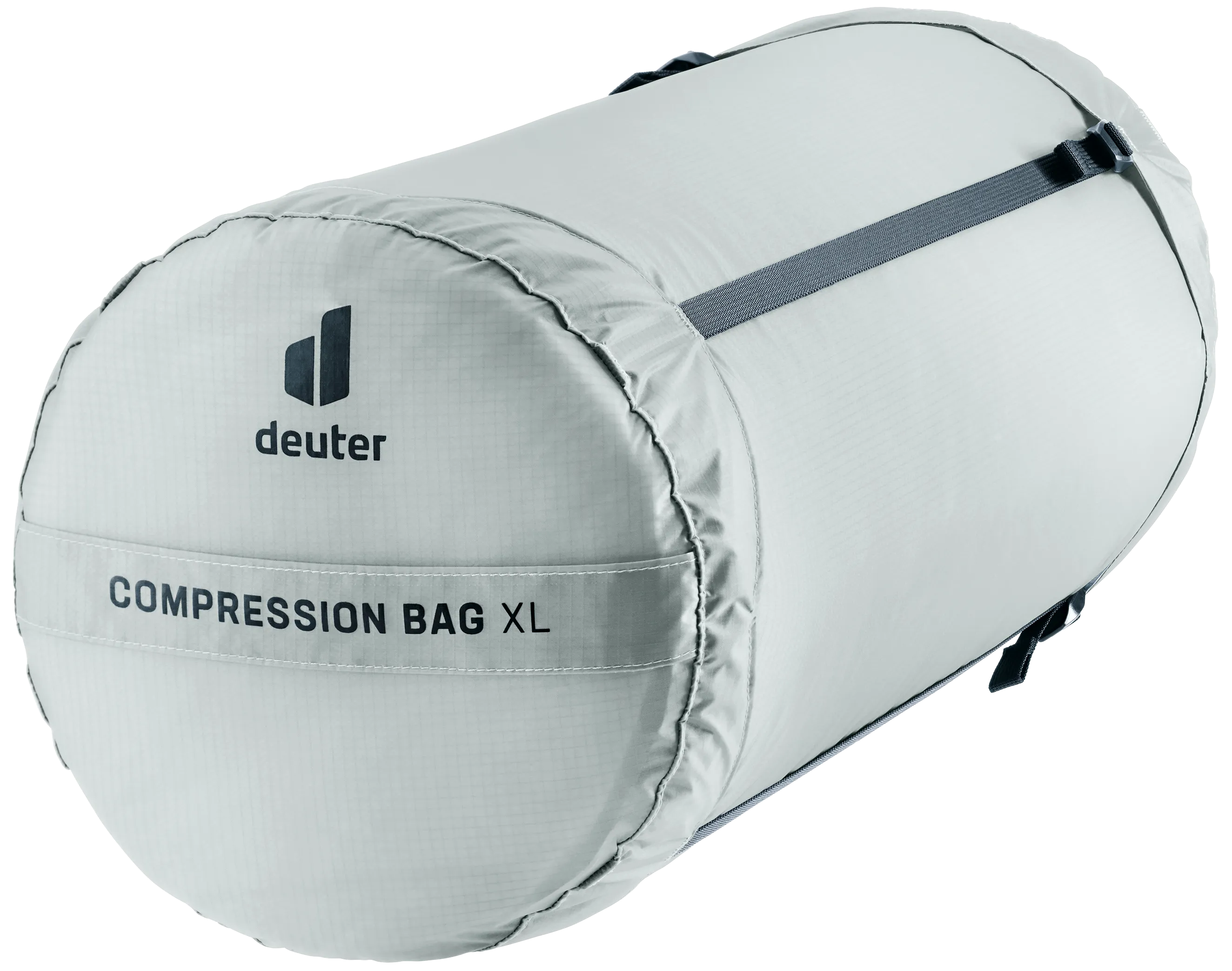
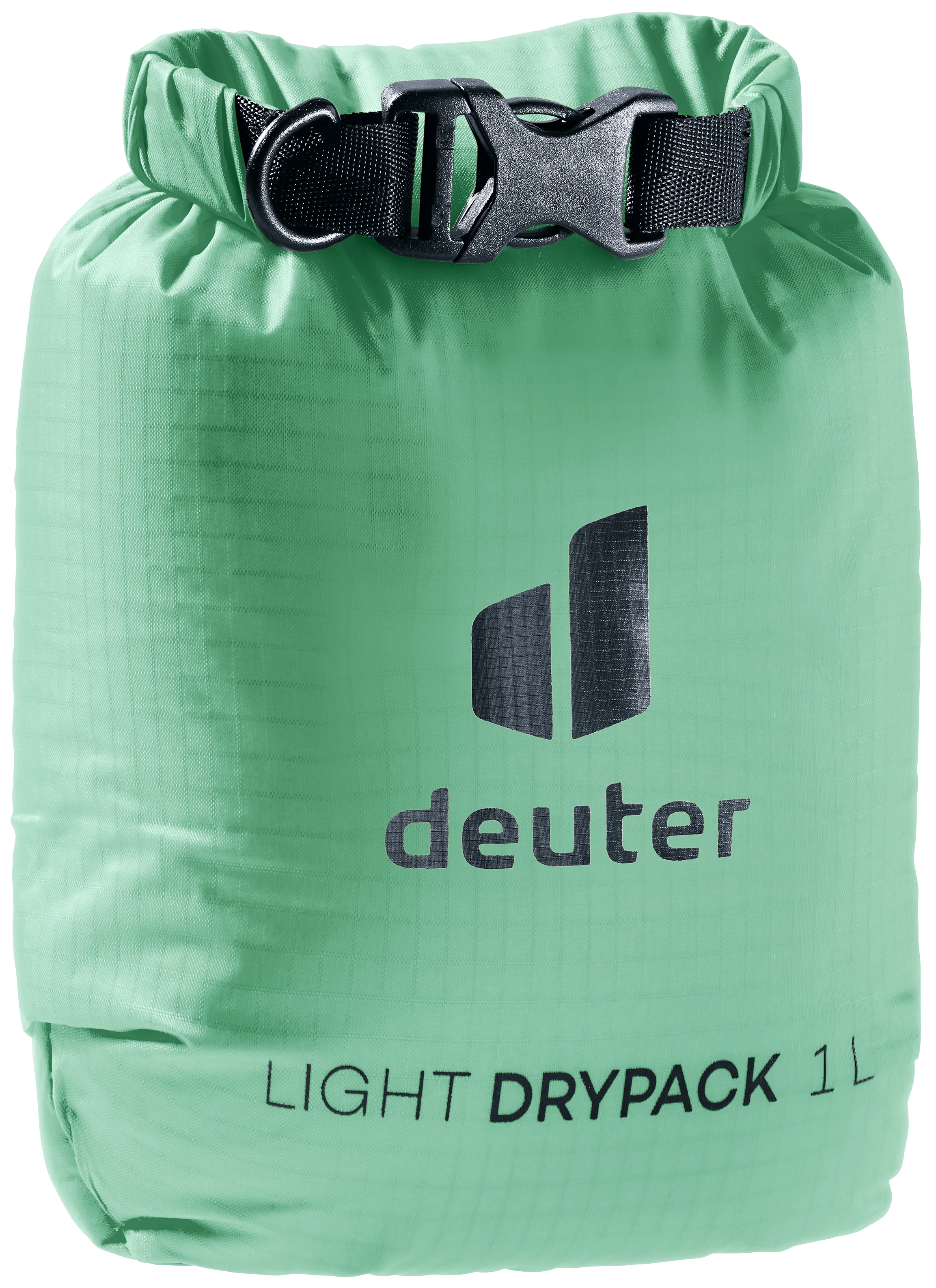
Waterproof pack sacks made of tear-resistant polymide
Roll closure, seald seams and waterproof 40D PA ripstop outer material
What is behind the characteristics weather-resistant, water-repellent, water-resistant or waterproof?
A product that is designated as weatherproof can withstand wind, rain and sun. This is measured by the following standards:
The wind resistance of the fabric is measured using the wind flow measurement (CFM). It expresses how easily air (usually at a speed of 48 km/h) can flow through a fabric. The lower the rating number, the more wind-repellent the fabric. This means < 1 cfm repels the most wind and is therefore 100 % windproof. The more "hard-shelled" or dense the fabric, the less wind will normally penetrate it.
To measure the rainproofness of a material, a water pressure test is used to see if water leaks through the material. Here, the force of wind-driven rain is the benchmark. It is 2 psi. Fabrics with at least 3 psi are therefore considered weatherproof.
The UV protection factor or UPF indicates how many UV rays can penetrate a fabric. The lower the rating, the less UV resistant the product. A UV protection rating of 30 is typical for sun-resistant fabrics and blocks almost 97% of UV rays. 50+ offers the maximum protection. The tighter or heavier the fabric or the darker the colour, the better the protection.
That doesn't sound crazy at first. But if we look at the whole thing with a temporal component, then continuous weather influences can cause strong signs of wear on the material.
If this does not happen, i.e. if routine weather influences do not affect the material and it remains in a "like new" condition even after a long time, then we speak of weatherproof - and in terms of protection against moisture: waterproof.
The demands on the material of weather-resistant products are high. And ours is even higher. Because in addition to the essential characteristics such as robust, waterproof and durable, we are increasingly trying to use sustainable materials certified according to official environmental standards for our backpacks. In addition, we also try to offer the best possible weather protection for the seams, pocket openings and zips, as these are always weak points in terms of weather resistance.
If water-repellent products are either made of fabrics that are so tightly woven per se that it is difficult for water to penetrate them, or if they are made of materials such as polyester or nylon that are more resistant to water due to their structure alone, or if they are specially treated with an additional coating or impregnation, the material becomes water-resistant. Water-resistant materials offer greater protection in wet conditions than waterproof ones. This means that water beads off the surface and cannot penetrate the material as easily. The technical term for this is "hydrophobic". However, in continuous or heavy rain as well as high pressure on the material, it cannot be ruled out that wetness will penetrate the inside at some point.
As a backpack manufacturer, we use tightly woven and thus waterproof fabrics for our products. In order to increase the water repellence of the material and thus make it water-resistant, we have exclusively used a DWR (Durable Water Repellency) impregnation since 2020. This means that we do not use PFAS at all and still ensure the high-performance water- and dirt-repellent properties of all our products. In addition, we provide the inside of the material with a durable PU coating.
Due to high water pressure (e.g. heavy rain) or additional high pressure on the material (e.g. bulging backpack), moisture can penetrate through the coating and the material into the interior. To prevent this, waterproof material is used for particularly extreme weather conditions.
Whether the material used can be defined as water-resistant or waterproof is decided on the basis of the definition used by the textile industry based on international standards for waterproofness. The hydrostatic water column is a unit of measurement that indicates the water pressure that the material can withstand before the water penetrates. For outdoor products, it is the load limit above which a textile becomes water-permeable. The pressure is given in millimetres. Thus, 1 bar corresponds to about 10,000 mm water column.
Generally speaking, the higher the value, the denser the material. But what do we really need? The European standard DIN EN 343:2010-05 (protective clothing against rain) defines a water entry pressure of 800 mm as the lowest limit. From here on, one speaks of waterproof. Everything below this is declared water-resistant.
Depending on the load, duration and intended use to which the material is exposed, higher values are certainly required. For example, a person weighing 80 kg exerts a pressure of 1,000 mm when lying down, 5,000 mm when sitting and 14,000 mm when kneeling. The material must withstand this pressure and prevent the water from penetrating over a longer period of time. A good guideline for the waterproofness of outdoor clothing is 10,000 mm.
However, a waterproof material does not necessarily mean that the product is waterproof. The entire construction, including potential water entry points such as closures, seams, pockets and openings, must be sealed or even welded waterproof and must be able to withstand stresses such as use and care (washing, drying or mechanical stresses) over the long term. Because the state of use of the product also has an influence on the waterproofness. Therefore, proper care and cleaning are really crucial for the performance of the product.
Liftime repair service
Should your deuter product ever get into trouble and urgently need a repair that you can't carry out yourself, we will be very happy to help you.