46 ways to protect our planet

We all love nature and tend to take its bounties for granted. Today, however, taking the environment for granted is not an option. And complacency or relying on others to take action is also out of the question. But what can human beings do in view of climate change, or the ever-increasing scarcity of resources? To quote Mahatma Gandhi: “You must be the change you wish to see in the world”.
But where do we start?
And where do we start? Can we adopt a climate-neutral lifestyle and achieve the personal climate goal of 2 metric tons per capita, if the average German currently consumes about 9 metric tons of CO2 annually? What can we do on a daily basis?
As mountaineers and outdoor enthusiasts, we know that reaching any summit starts with taking the first step. And with leaving your comfort zone. Small changes can make a huge difference.
Below, we've listed 46 everyday tips, which together can make a big contribution to protecting our planet:



Turn off the faucet and save water
We often leave the faucet running when cleaning our teeth or washing our hands. According to a study by the University of Oldenburg, Germany, we waste up to 12 liters of drinking water in the process. So try to turn off the faucet to save water.
Have a shower instead of a bath
A bathtub takes up about 140 liters of water. A shower uses about 20 liters of water per minute. Modern, water-saving shower heads only use 15 liters per minute. According to Friends of the Earth Germany (BUND), a four-person household can save over 300 euros a year in energy and water costs by taking showers instead of baths.
Filter out microplastic particles
When washing clothes, broken plastic fibers end up down the drain. Washing machines and sewage treatment plants can’t fully remove these microplastic particles. As a result, they end up in waterways, breaking down into ever smaller particles and accumulating toxins. These are then ingested by fish and other marine animals. The impact on animals and nature is serious. And ultimately on us too, because the plastic fibers from our clothes can then enter our bodies through the food chain. The Guppyfriend washing bag is a patented solution that prevents contamination from microplastics.

Open windows wide
To fill the room with fresh air, open the windows wide for just a few minutes instead of leaving them ajar over several hours. According to the WWF, this method helps us save up to 300 kilos of carbon dioxide and up to 70 euros, particularly in colder months. What’s more, flinging the windows open wide prevents mold from forming on walls because excess moisture can escape more easily.
Save heating energy
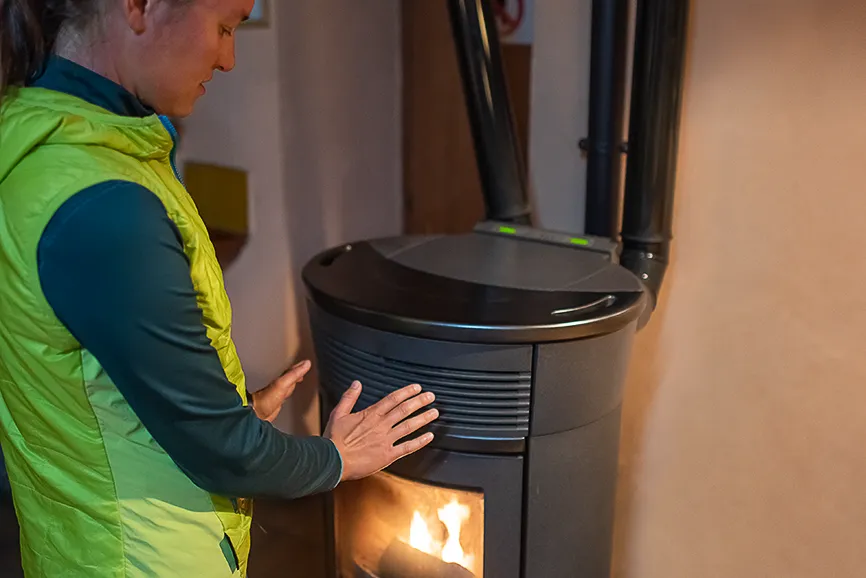
If you air your home likes this several times a day, you can save a lot of heating energy and protect the environment too. And by lowering the thermostat temperature in your home by one degree Celsius you can save heating costs and cut CO2 emissions.
Save electricity
Electronic devices such as laptops, TVs or kettles still consume electricity in standby mode. Connect appliances and lamps to a multi socket outlet with a central switch and you can turn them off in one go and stop current from reaching them.
Pans and lids
According to the WWF, putting a lid on a pan allows less heat to escape and uses up to 65 percent less electricity or natural gas. The pan size should also match the cooktop ring or plate.
Use an electric kettle instead of heating water on the stove
We all know that an electric kettle is faster than using the stove. But it’s less well known that kettles use less energy too. An example given by the WWF shows that people boiling a liter of water per day save 40 euros, or 90 kilos of CO2 annually if they use a kettle.
Dry your hair naturally
Hairdryers consume a huge amount of electricity. So why not consider letting the sun dry your hair in summer. In winter, warm air from the heating is also a practical, eco-friendly option.
Swap your dryer for a laundry line
The heat required to dry laundry is the reason why clothes dryers consume so much electricity. German online platform web.de Energie Ratgeber states that drying laundry on a clothes stand instead of in a dryer saves average electricity costs (based on a 10-year-old appliance and 160 drying cycles per year) of approx. 180 euros annually.
Use the fridge properly
The fridge is one of the biggest energy-guzzling appliances in your household. The following hacks will ensure you use it efficiently. Position the fridge in a cool place, allow hot food to cool to room temperature before putting it in the fridge and only open the fridge door for as long as necessary. When you go on vacation, or are away for longer periods of time, defrost the fridge and turn it off completely.
Only use green electricity
While conventional electricity comes from fossil fuels, such as coal and natural gas or nuclear power, green electricity is generated from renewables. These eco-friendly sources are primarily wind and hydroelectric power, solar energy or biomass. People who switch provider help protect the climate because green electricity saves up to 90 percent of CO2 emissions. They also improve their own carbon footprint and contribute to our collective transition to renewable energy. Here at deuter, we’ve been obtaining our green electricity from German hydro, wind and solar energy sources for a long time. Because one of our key objectives is to make our headquarters climate neutral by 2025.
Avoid using batteries
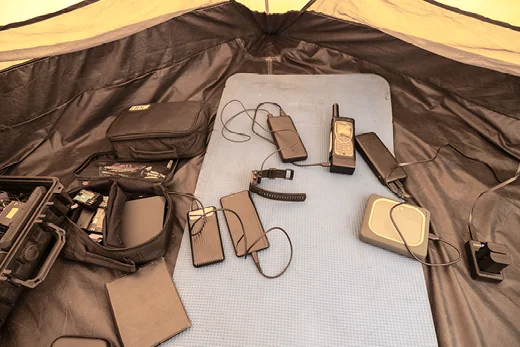
Anyone wishing to save energy and money, should try to cut down on batteries. It requires 40 to 500 times more energy to make non-rechargeable batteries than they provide to the user. Therefore, the electricity from AA batteries is about 300 times more expensive than when drawn from a wall socket.
Create less trash
In Germany, households generate 1.25 kilos of waste per capita each day. This quantity must be reduced if we are to give the environment a chance. The following tips are easy ways of preventing waste. Purchase as few products in plastic packaging as possible, pick glass jars instead. Take recyclable fabric bags to the store to put groceries in, and always dispose of waste in trash cans. Don’t just throw it to the winds because it’s either not biodegradable, or only breaks down slowly and is therefore harmful to flora and fauna.
Say no to packaging
Disposable packaging, such as containers for take-out food, coffee cups, straws, sachets of sugar, packaging for cookies, or plastic cutlery, are the source of about 350,000 metric tons of waste in Germany every year. So take your own cups or plastic containers with you. See if suppliers offer recycled or biodegradable packaging. Packaging-free stores have a zero waste policy. You can purchase products there and put them in containers you’ve brought with you. And you only have to buy as much as you need. wikipedia: zero waste
Avoid coffee capsules
Coffee from single-serve machines may taste good, but it’s not great for the environment. Germans use 3.5 bn coffee capsules annually. This equates to 8,000 metric tons of non-recyclable plastic and aluminum packaging waste, as well as 5,000 metric tons of paper. The amount of waste is one reason why we prefer to use a more eco-friendly espresso maker. And also because of the genuine Italian taste.
Avoid disposable bags
According to the German Environment Ministry, each person in Germany uses 76 plastic bags annually. This vast quantity could be reduced by using multi-use bags, backpacks, shopping bags or baskets. If a plastic bag is unavoidable, another option is to maximize its use, or repurpose it as a trash bag and then ensure it’s recycled.
Fabric groceries bag
A lot of plastic can be saved when purchasing vegetables, fruit, and bread. Purchasing unpackaged food and taking your own fabric bag with you saves a lot of plastic.
Reusing packaging
Carry on using packaging, plastic bags, and boxes as long as possible. The plastic packaging that toilet paper comes in can double as a trash bag. Old newspapers or paper bags are ideal for lining organic waste cans and old shoe boxes can be used to mail things in.
No junk mail
Perhaps add a sticker to your mailbox requesting no junk mail to prevent waste and save resources. Another idea is to register your name on a list for no unsolicited advertising.
Recycle correctly
Everyone knows about recycling, but does everyone know how to do it correctly? Here are a few simple tips. All metals should be recycled and reusable bottles returned promptly to prevent new ones from being made. Sort trash properly (paper, plastic etc.), put glass bottles into the correct containers and organic waste in the compost. Always recycle electrical appliances, donate old clothes to people who need them rather than throwing them away and prioritize purchasing products made from recycled materials.





Only necessary products
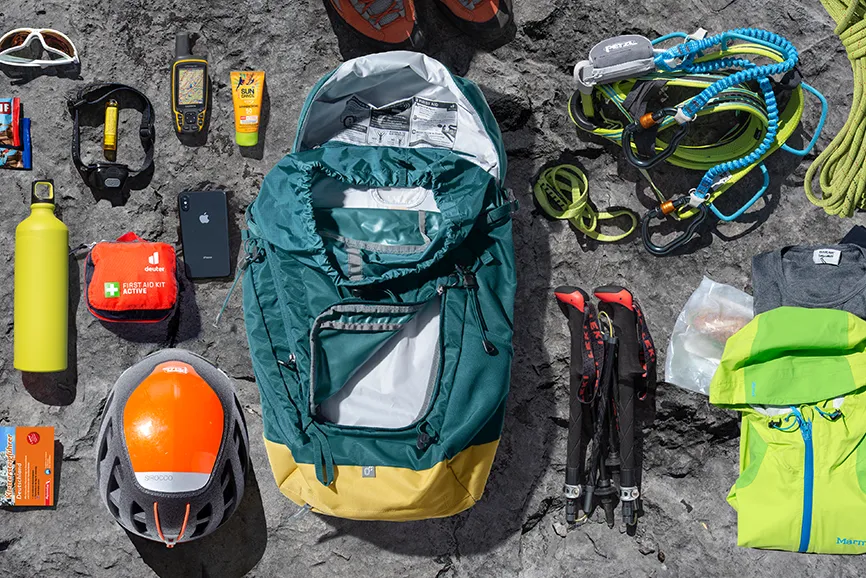
Consuming less is easier on your wallet and the environment. Our demand – or lack thereof – determines the quantity and type of supply. This is because the goods in demand must be produced and transported. And even if we try to act as sustainably and environmentally friendly as possible, CO2 emissions and waste are still generated. Therefore, every time you make a new purchase, you should ask yourself whether it is really necessary and sustainable. Those who reflect and consume strategically contribute greatly to environmental protection.
Sustainable products
Even if you consciously limit your consumption, you will of course still need to buy things for everyday life or make special purchases. In this case, you should make sure to buy products that are made from sustainably sourced raw materials and produced in a way that does not unnecessarily harm the environment. Choose high-quality, sustainable and durable products and treat them with care so that you can enjoy them for a long time.
Repair instead of buying new
Taking good care of your belongings is essential for a long product life. (How to clean backpack & How to clean a sleeping bag). After all, much-used and beloved items will eventually show signs of wear and tear, minor defects or damage. However, before you rush to throw them away, you should check whether they can be repaired. You can repair many things yourself. For everything else, there are professionals. For example, the specialists at our repair service, who will lovingly and expertly restore your rucksack to its former glory.
Selling or donating used products
If you no longer have any use for a product or item, someone else might be happy to have a cheap or free alternative to expensive new goods. Online platforms for resale, flea markets and charitable initiatives or organisations make selling or donating easy and ensure that they reach those who need them.
A more sustainable diet
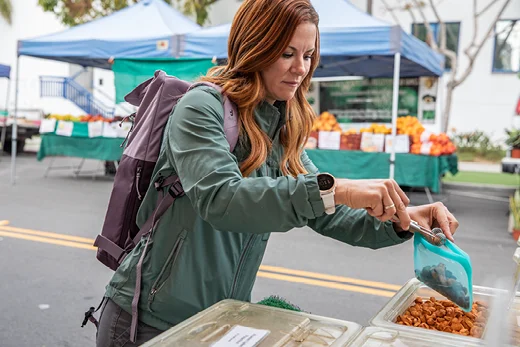
We can also help protect the environment by choosing our groceries wisely. Picking products sourced regionally and in season are the top priority. Because these groceries don’t need to be shipped for miles and miles. It’s not just the environment that will thank you, but lots of small, local businesses too. What’s more, fish and seafood should be avoided because the majority of the world’s stocks are already (or at risk of being) overfished and our oceans can’t cope. Consider eating less meat too. In this case, less is more and quality comes at a price. A Sunday roast with meat sourced from a local farmer is a great idea. However, consuming meat and sausages from supermarkets on a daily basis is not good for the environment or animal welfare.
Expiration dates
You can still eat lots of food that’s past its best-before date. Some supermarkets also offer food that’s near its expiration date at a cheaper price, or sell fruit and vegetables that are no longer quite up to standard, but for half the price. Why not pick products like these and prevent food from going to waste?
Throw away less food
Never go shopping on an empty stomach. Because you’ll end up buying more than you need. Just buy the essentials so that you don’t have to throw food in the trash because it’s spoiled.
Organic and Fairtrade food
Organic and Fairtrade products are labeled as such in supermarkets. There are all sorts of different labels out there, but the underlying approach is the right one. Perhaps try to buy less of everything, but then ensure you purchase organic and Fairtrade products.
Avoid palm oil
Roughly half of all supermarket products contain palm oil. It’s in nut-based spreads, dried soups, cookies, lotions, detergents, lipsticks and biofuel. Over the past few years, the area used to cultivate palm oil has increased to approx. 19 m hectares around the Equator. As a result, areas of ecological value have been flattened and endangered species put at an ever greater risk. The rise in global demand is also increasingly causing more ecological and social problems too. Therefore, choose products without palm oil wherever possible. Unfortunately, a lot of organic products also use palm oil.
Drink water from the faucet
In much of the western hemisphere, water from the faucet is far better quality than water from supermarkets. So it’s better to use a filter jug, a soda maker, or a filter directly on the water supply at home. It’s cheaper, less shopping to carry home and helps the planet.
Use up every last drop
Even if they appear empty, bottles of lotion or tubes of toothpaste often still have plenty left in them. Just cut off the tops of the tubes or bottles to access the rest.

Homemade cleaning products and detergents
Cleaning products are often full of chemicals that do the job and are quick to use, but terrible for the environment. And they pollute the water and get into the food chain. Traditional, tried-and-true alternatives such as citric acid, vinegar, hard soap and baking soda are also fine to use. Ivy can be used to make natural dishwashing liquid and get laundry spotless. Standard vinegar essence can also replace fabric softener.
Alternative beauty products
Face peels, shower gels etc. contain microplastic particles, which even sewage treatment plants are unable to filter out. As a result, they enter the ocean where they get into the food chain, are ingested by marine animals, and eventually end up on our plates. Harmless alternatives are loofah gloves, soaps, oils in glass bottles and sustainable toothpaste. Reusable bamboo fabric pads can also replace cotton wool pads. Cotton swabs should be avoided altogether for both health and environmental reasons.
Solid personal care products
Shower gels, shampoos etc. are now available as soap bars. No plastic packaging is required and it’s kinder to the environment. Placed in a small tin, these soaps are also easy to transport.

Sustainable transportation
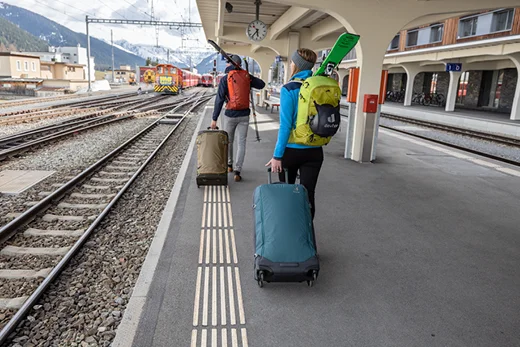
Climate change is in full swing. Carbon dioxide (CO2) is a greenhouse gas and primarily responsible for this dangerous development. Above all, it’s generated during the combustion of coal, gas and oil. Transportation, which is still more than 90 percent oil-based, accounts for a significant share of emissions of this greenhouse gas. In other words, a fifth or 96% of the CO2 emitted in Germany. Unlike other areas, CO2 emissions from transportation have not fallen since 1990. To pollute the environment less and protect the climate, it’s a good idea to consider leaving your car at home and choosing sustainable alternatives instead. There are lots of other ways of getting to work, going shopping, visiting someone or going on a trip. Car pooling, bike delivery services, public transportation, walking or using your own, or a leased bike are other alternatives. Taking exercise is great for the body and mind, after all. The same principle also applies to outdoor activities. A bike’s ideal for getting to the mountains or beach for a spot of skiing, hiking or surfing. Carpooling with friends means you don’t have to do without a car completely. Or public transportation like buses and trains are also a reliable and sustainable option. You choose.
If you have to drive, then do it properly
The less we use cars, the kinder it is to the environment. If you can’t do without one, then there are a few helpful points to note. Save gas by thinking ahead and taking your foot off the accelerator if you spot traffic lights or speed limits approaching. The same goes for driving more slowly and at a constant speed instead of putting your foot down and then having to slow. Air conditioning also guzzles a lot of gas. So why not open the window instead, and just use the aircon on very hot days? Avoid driving through inner cities and causing more particulate pollution. When buying a new car, a hybrid or electric vehicle is preferable.
Eco-friendly travel
The rules that apply to everyday life, also apply to traveling. Make an informed choice in this case too. A few basic principles can ensure that fewer greenhouse gases enter the atmosphere and accelerate global warming. Only fly if absolutely necessary, particularly short-haul flights.
- Where possible, don’t fly to your destination but take the train instead (Munich - Berlin: plane 298 kg of CO2 per person versus the train at 34.4 kg of CO2 per person).
- Minimize your baggage because every kilo consumes more fuel.
- Stay within your climate budget, which is calculated from the environmental impact of your electricity consumption, your car trips or your diet. According to German non-profit organization atmosfair, your allowance is around 2.3 metric tons of CO2 per person annually. By way of comparison, in 2019, average CO2 consumption in Germany was 7.9 metric tons per person annually.
- Choose airlines wisely because, depending on the company and aircraft, the difference in environmental impact can be huge, even if the distance traveled is the same. You can enter aircraft types into a CO2 calculator and compare them.
- Avoid the usual disposable waste in the form of tickets, plastic cups, cutlery and moist towelettes when flying.
- Offset CO2 emissions by donating to organizations that invest the money in climate protection projects.
- Avoid cheap mass tourism offers, package tours and large hotel chains. Support small-scale tourism so that local people benefit instead.
- Explore the country or region you live in and enjoy an experience that’s worthwhile, affordable and sustainable.