Backpack sizes & fits
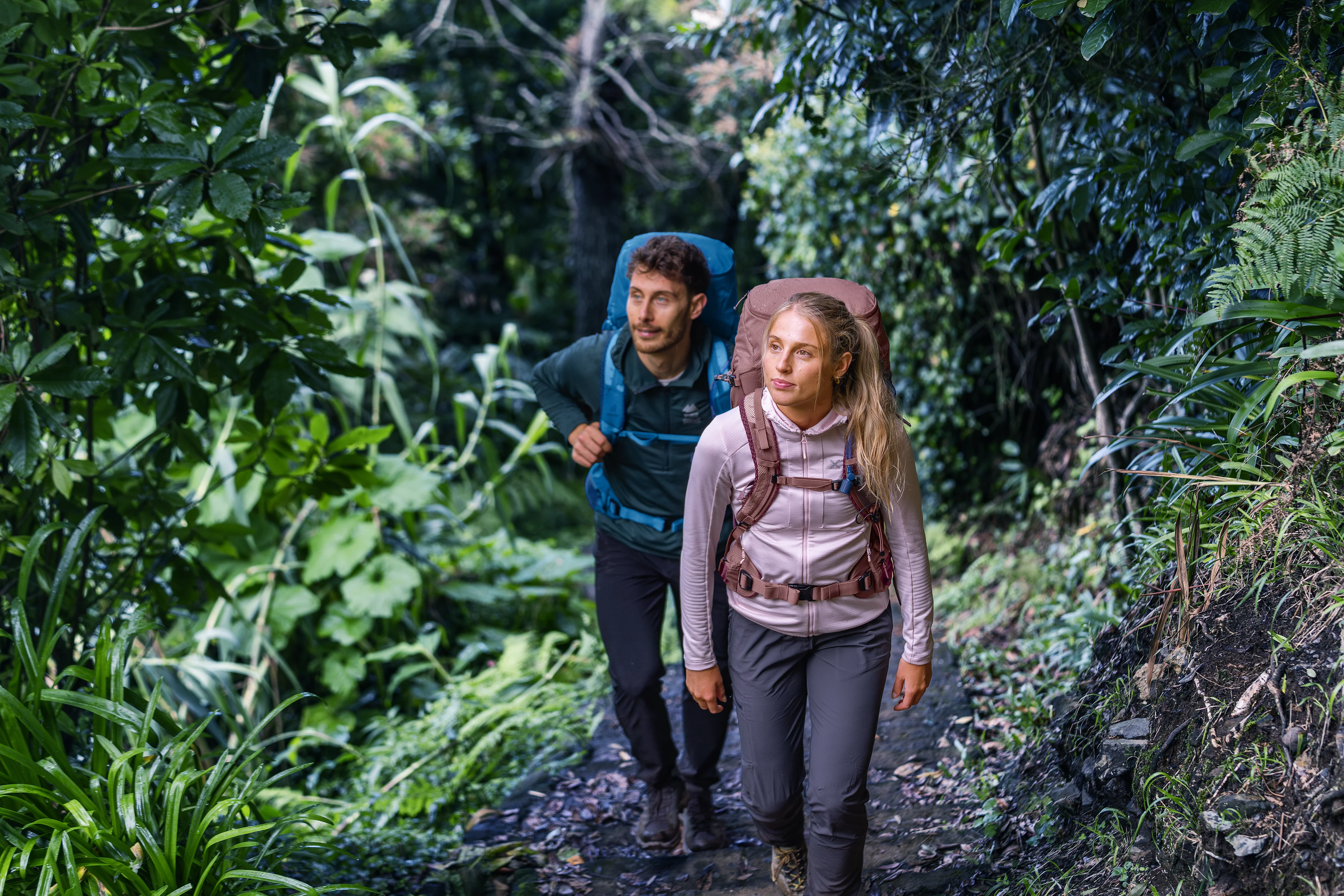
deuter backpacks: tailored to your size, fit and functional needs
Depending on how you intend to use your backpack, the features, fit, capacity, or other details will be decisive. deuter offers many different backpacks with capacities ranging from 5 to 75 L so that you can stow everything you need for your journey. In addition, we design our own models with special features that are suited for various kinds of mountain sports, such as adjustable hip belts, back length adjustment, and helmet holders. We also offer versions of all our backpacks that are specially designed for women (adapted to the female anatomy) as well as for particularly big and tall fans of the outdoors. Little adventurers aged two and up will also find the perfect backpack from us.
Learn more:
This is how to measure the right back length for your backpack
For day backpacks, the back length is not as important as it is for hiking backpacks used on multi-day tours. It is important for the back length to be right for proper load distribution on your back and guaranteed comfort. deuter backpacks are adjustable, but you should still select the right back length at the time of purchase. Women often have a shorter back and longer legs, for which our SL models are well suited. Men and tall people, on the other hand, should probably select an EL model. The only sure way to test whether the back length of the backpack really suits you is to try it on. Nevertheless, you can measure the length of your back in advance as a starting point.
Various sizes for women & big and tall people
A direct comparison of the three deuter back lengths is based on the distance between the seventh cervical vertebra and the upper edge of the iliac crest.
On the picture:
- Seventh cervical vertebra
- Iliac crest
- Basically, people of almost the same height can have different back lengths. Choosing the right back length is not just about height.
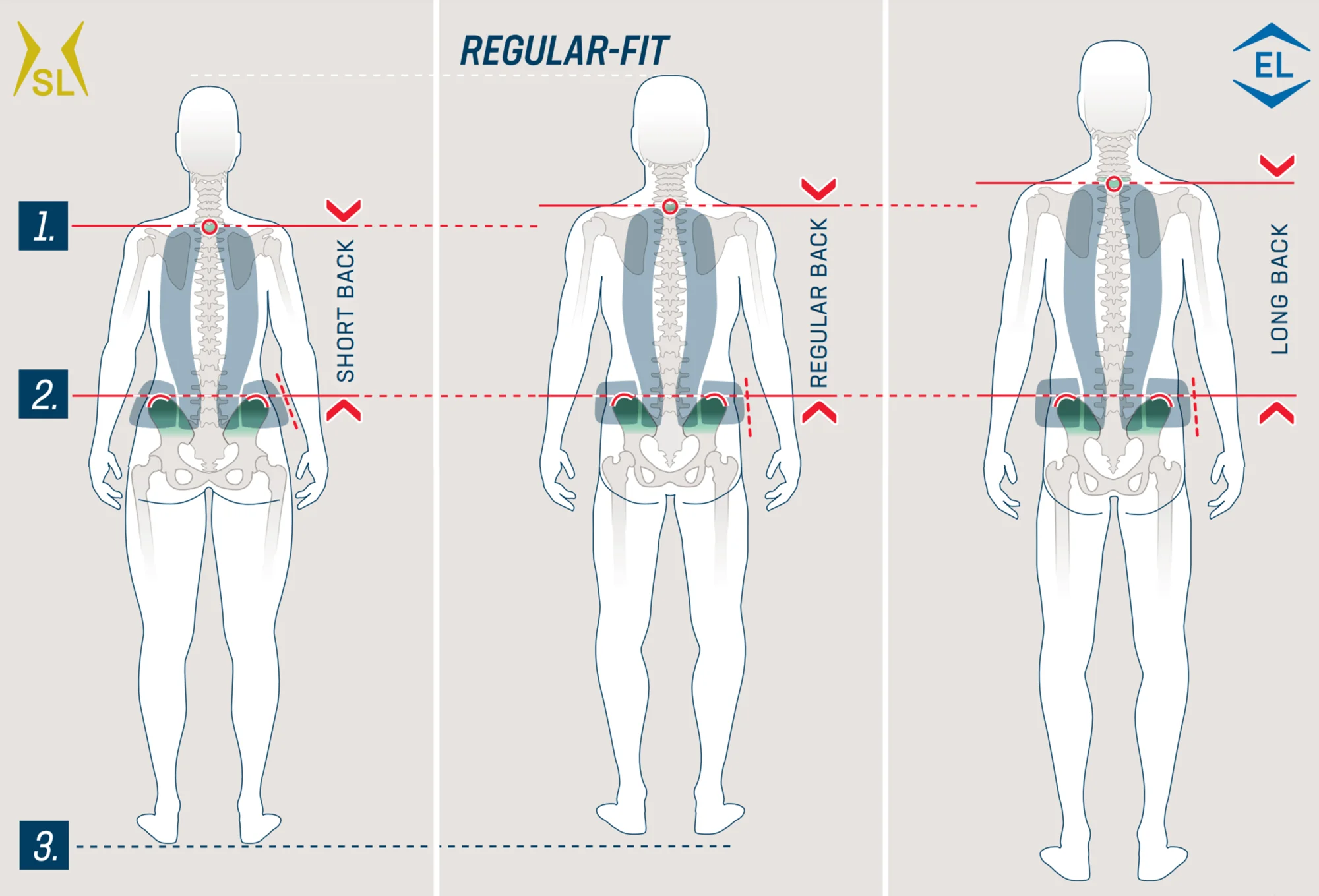
SL women's fit
For body heights of approx. 160 – 175 cm
For back lengths of approx. 42 cm (+/- 2 cm)
The typical body proportions for the SL Fit are:
- Narrower shoulders
- Shorter back
- Wider hips
- Longer legs
Regular fit
For body heights of approx. 170 – 185 cm
For back lengths of approx. 46 cm (+/- 2 cm)
The typical body proportions for the Regular Fit are:
- Wider shoulders
- Longer back
- Narrower hips
- Shorter legs
EL Extra long fit
For body heights of approx. 185 – 200 cm
For back lengths of approx. 50 cm (+/- 2 cm)
The typical body proportions for the EL Fit are:
- Wider shoulders
- Very long back
- Narrower hips
- Longer legs
Slim Line (SL) backpacks: perfect fits for the female anatomy
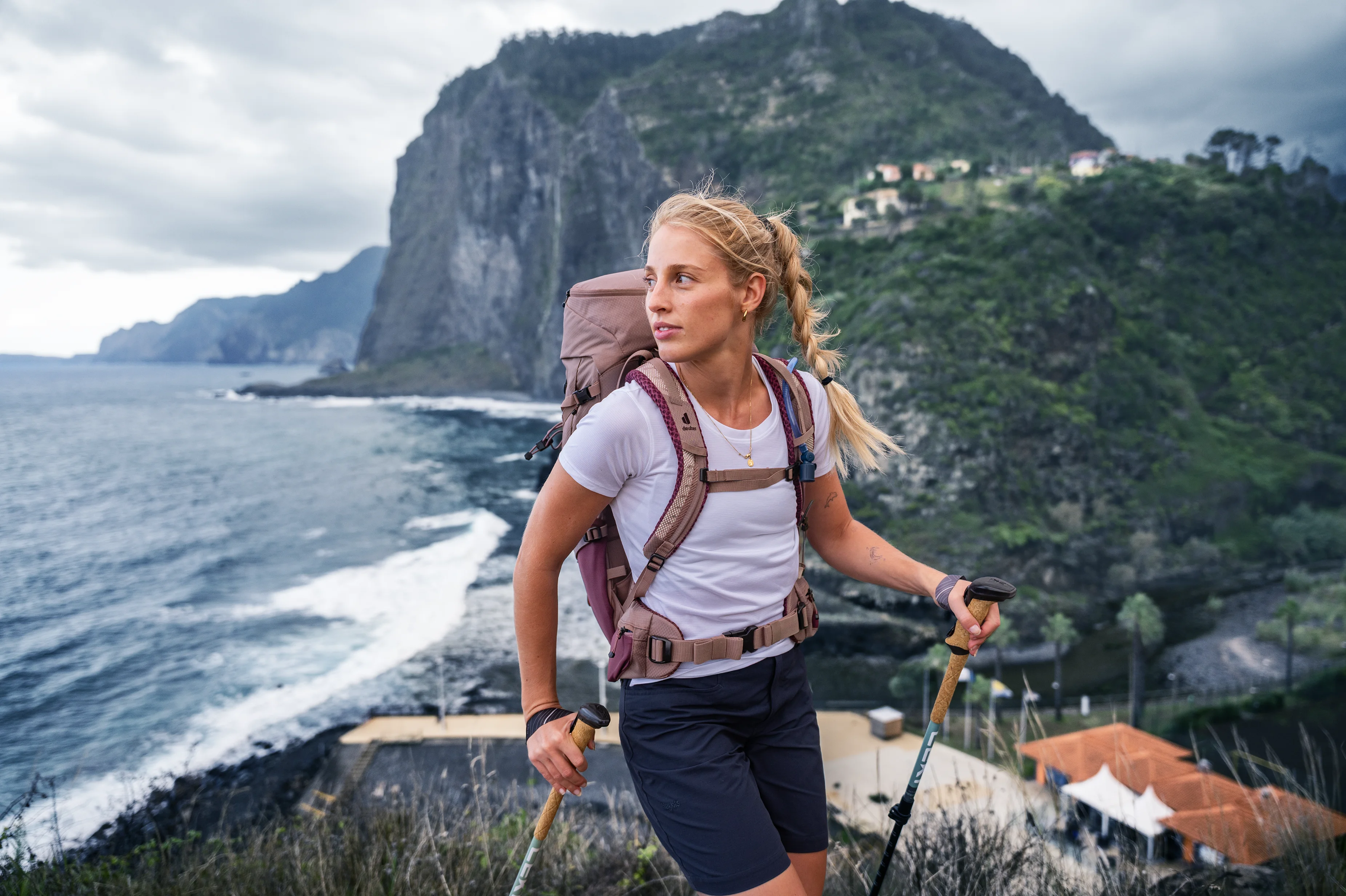
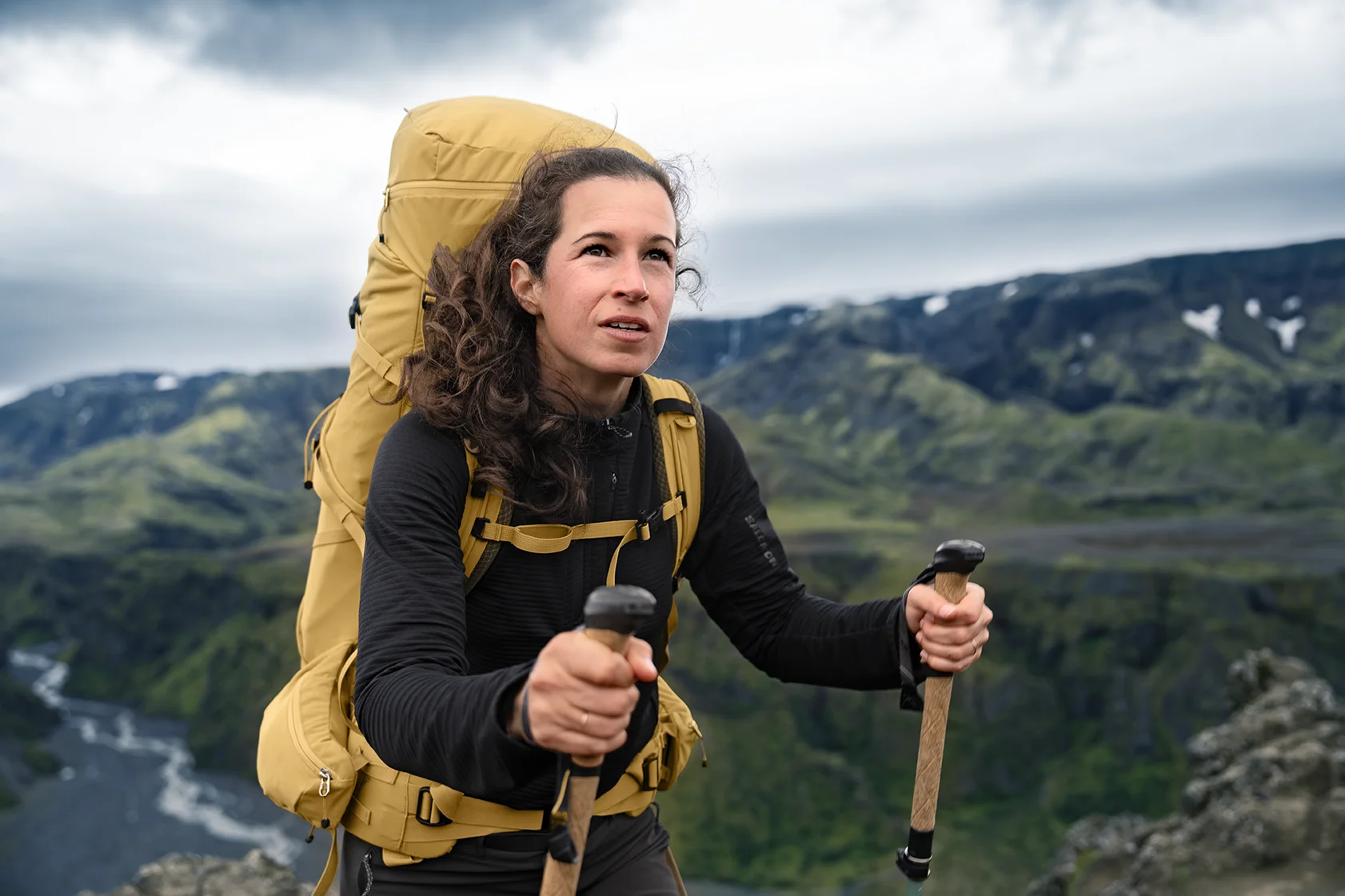
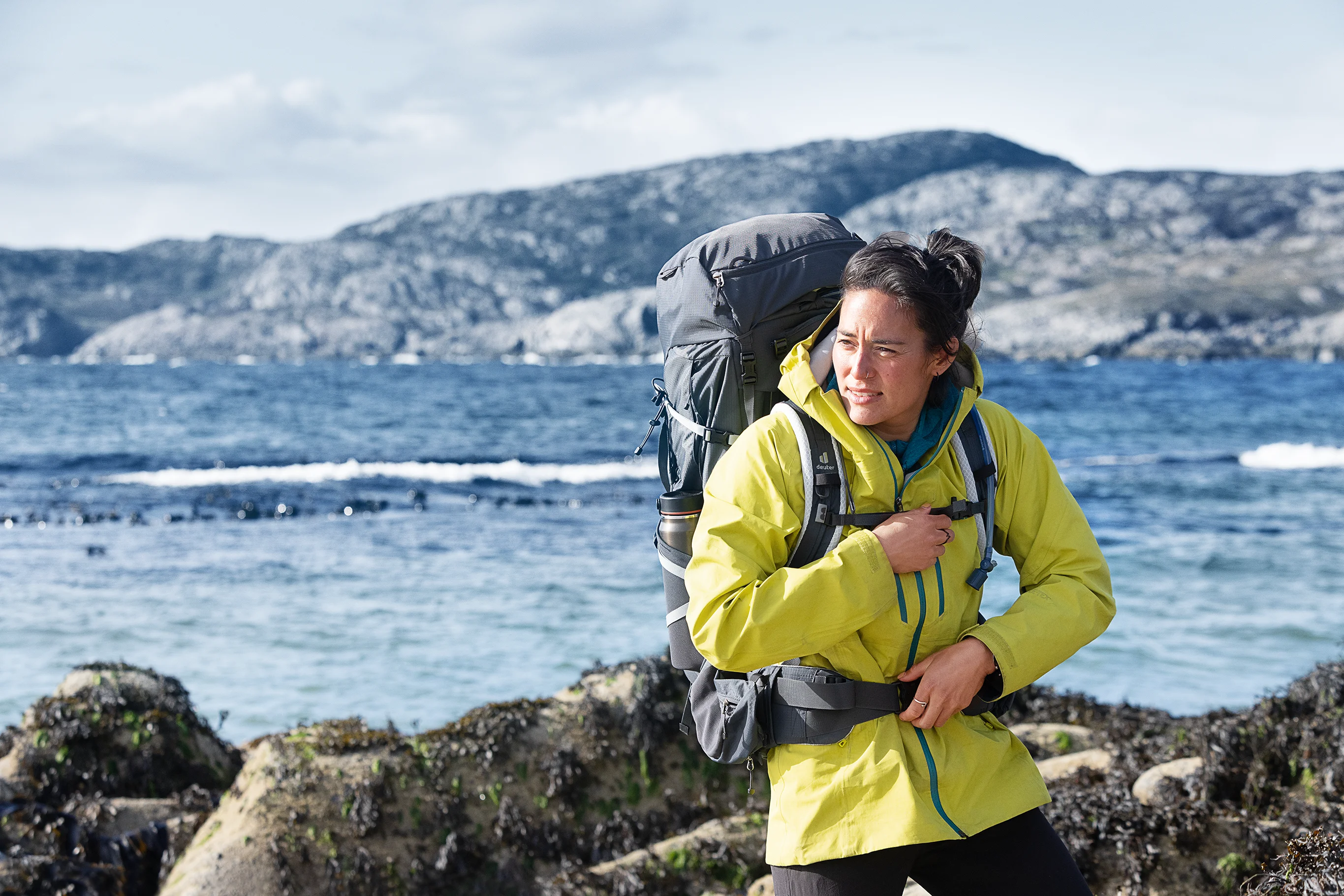
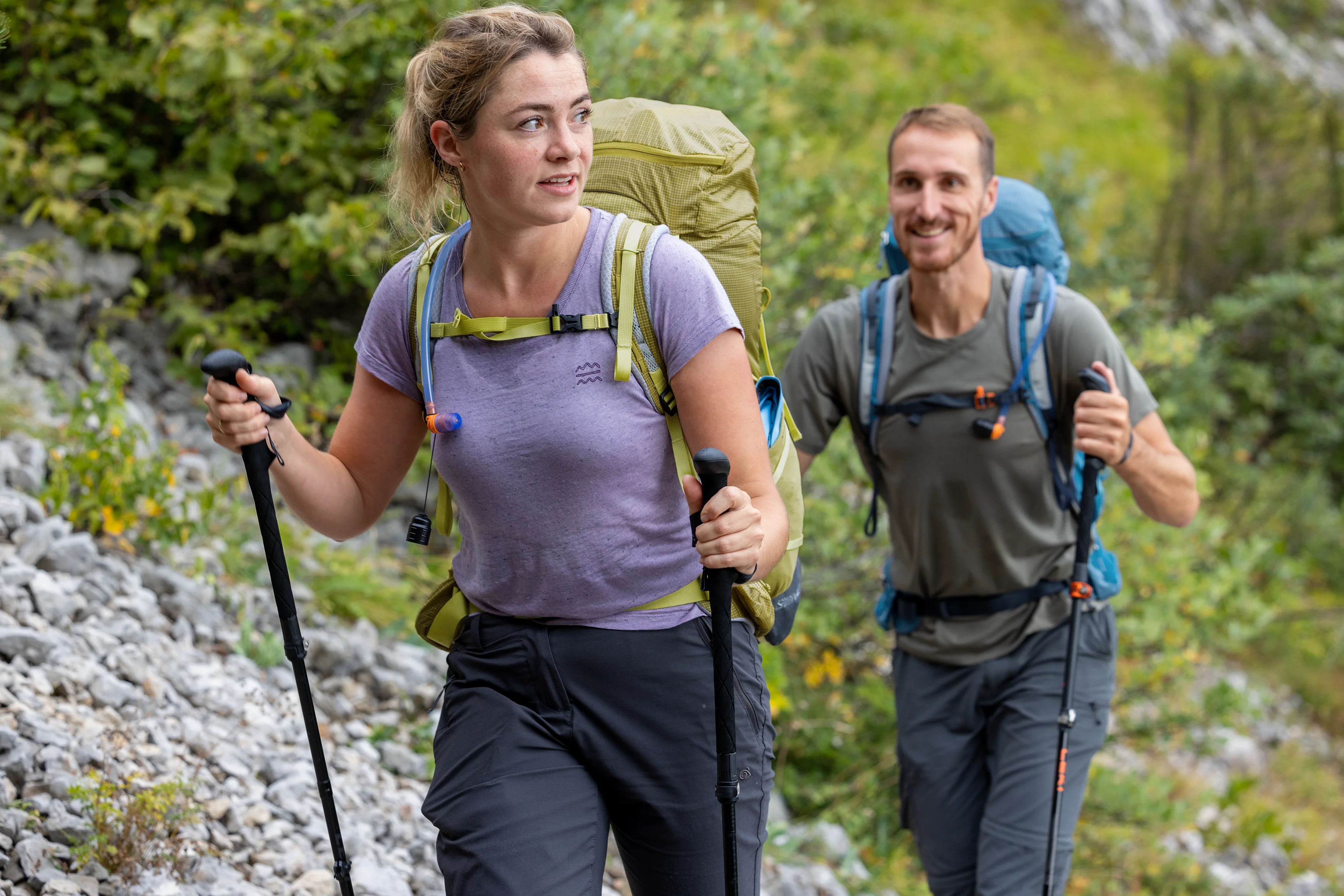
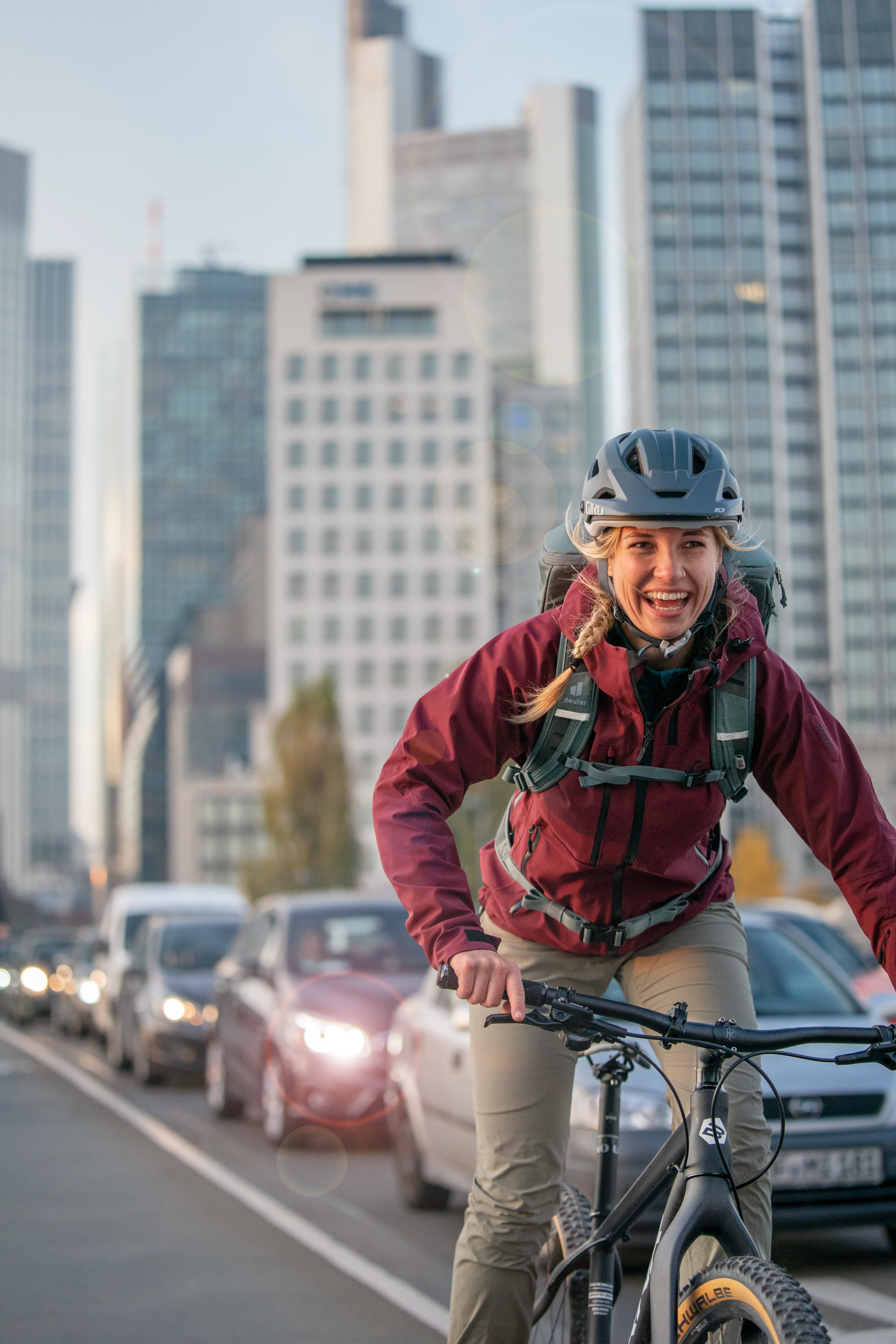
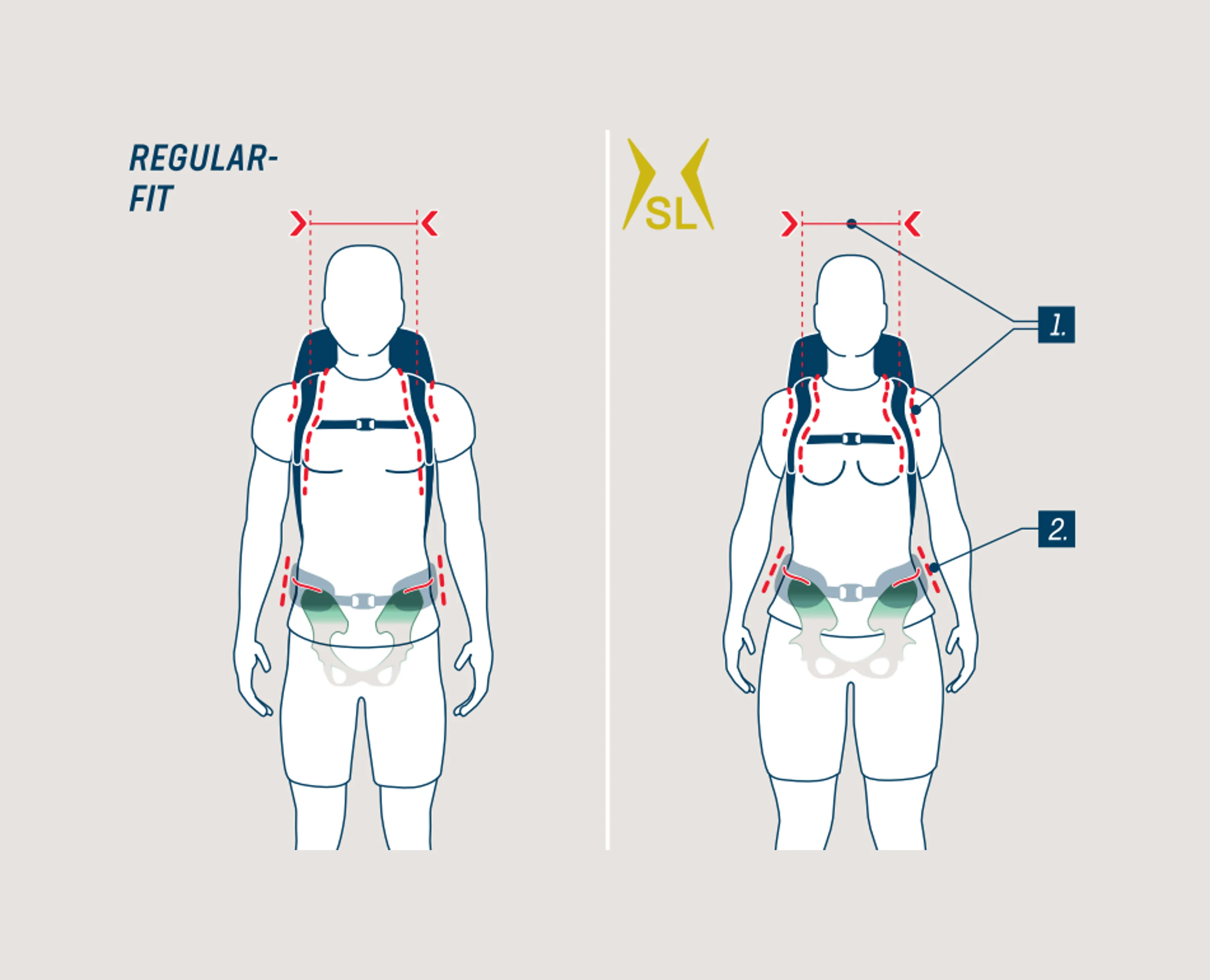
Our SL (Slim Line) backpacks are designed specifically to fit the female body. They offer not only the right capacity for your activity, but also a carrying system optimized for slimmer builds, shorter backs, and narrower shoulders. Whether you’re hiking, traveling, or commuting, SL models deliver maximum comfort and a secure, ergonomic fit.
Why choose an SL backpack?
Engineered for women. Ideal for anyone with a slim, athletic build.
Women typically have a shorter torso, narrower shoulder width, and a differently shaped hip structure. SL models adapt perfectly to those proportions and ensure a balanced load distribution and pressure‑free carrying comfort. Even though SL backpacks are designed for women, models can also fit some men with slimmer or more compact builds.
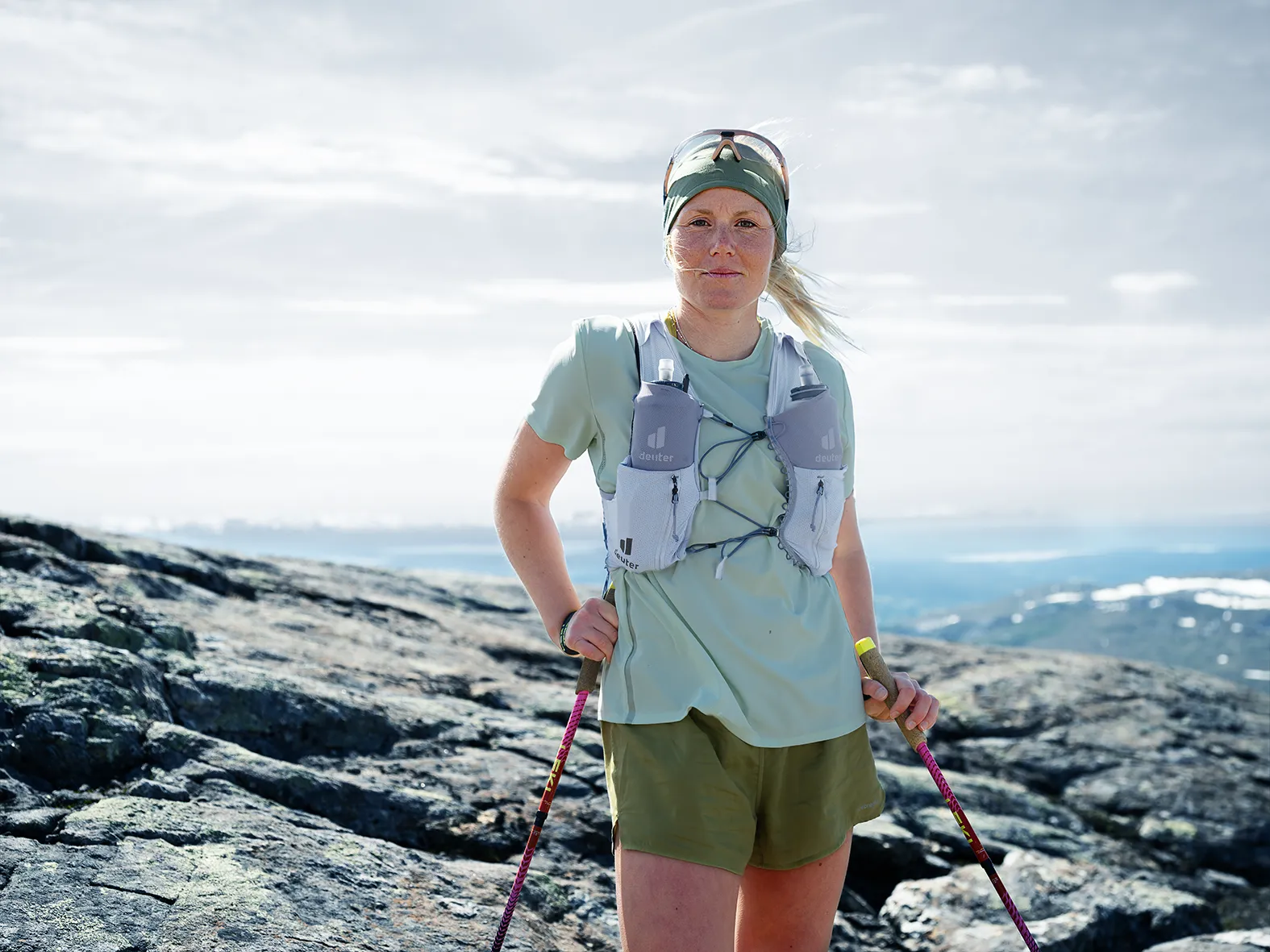
What does SL stand for?
SL = Slim Line
A dedicated team of designers and top athletes has been developing the SL line since 2006.
Their goal: to create backpacks that combine technical performance with an anatomically precise fit for women and anyone who prefers a slimmer cut.
The key features of the SL Fit
1. Shorter Back Length
SL models feature a shorter back panel to match the average female torso length. This ensures:
- better weight distribution
- increased freedom of movement
- reduced pressure on the shoulders
Because body shapes vary, SL models may also fit men with shorter backs or narrower frames.
2. Narrower, S‑Shaped Shoulder Straps
The SL shoulder straps are specifically shaped to avoid discomfort in the chest and shoulder area:
- Pronounced S‑shape that follows the body’s contours
- Softer edges to prevent chafing
- Narrower strap spacing, ideal for smaller frames
- Tapered strap ends for a smooth, pressure‑free fit
3. Conically Shaped Hip Fins
The SL hip fins are constructed to match the natural shape of female hips:
- Upward‑converging (conical) design for a snug fit
- Anatomically curved padding
- Optimal load transfer to the pelvic area
This ensures excellent stability without digging in or slipping.
Who are SL backpacks best suited for?
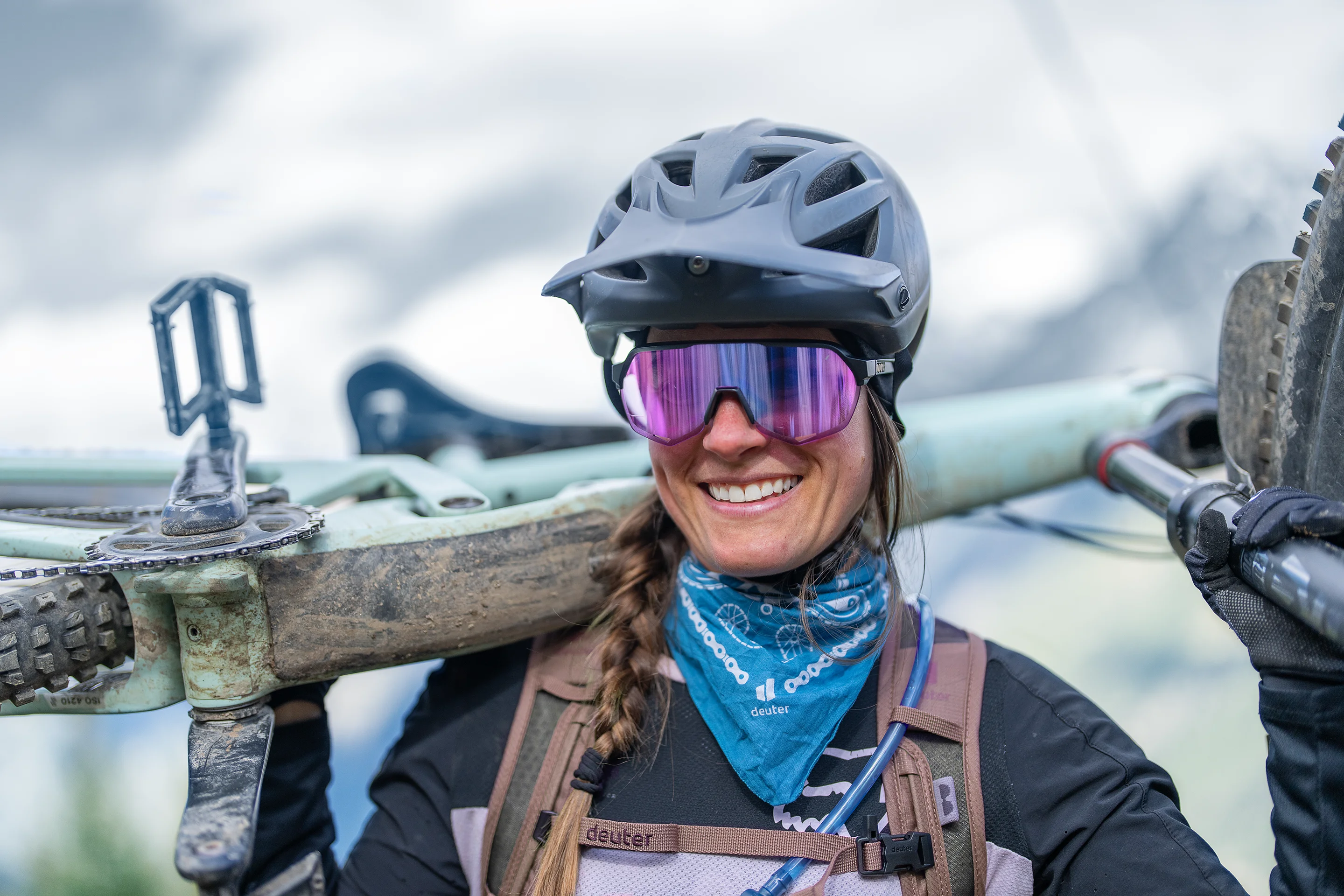
SL models are ideal for:
✔ Women with slim or athletic builds
✔ Anyone with a shorter torso length
✔ Users who prefer a compact, close‑to‑body fit
✔ Men with narrow shoulders or a slim frame
Extra Long (EL) backpacks: the fit for tall people
For tall people, our Extra Long (EL) backpacks offer perfect carrying comfort. Athletes who are between 1.85 and 2.00 m tall often have a hard time finding a suitable backpack. That is why we have lengthened the back lengths of our most popular deuter backpack models by 6 to 9 cm and adjusted them to fit the proportions of taller people. Due to the larger space requirements, we have also adjusted the capacity of the EL models: the size of these backpacks is therefore optimally tailored to the wearer. The back system, properties, and other details of these individual EL backpacks match those of our standard models.
Find the right backpack size for you
For a day at work, you pack your laptop and related materials, and for a hike, you take your provisions and a change of shirt. Our different backpack sizes and equipment take these different needs into account. If you ride your bike to the office, you value low weight and a portable size, and when you go hiking, you value practical compartments and a high level of comfort. Don't know which backpack is right for you? We have prepared an overview of the different sizes:
This is the perfect backpack size for cycling and mountain bike adventures
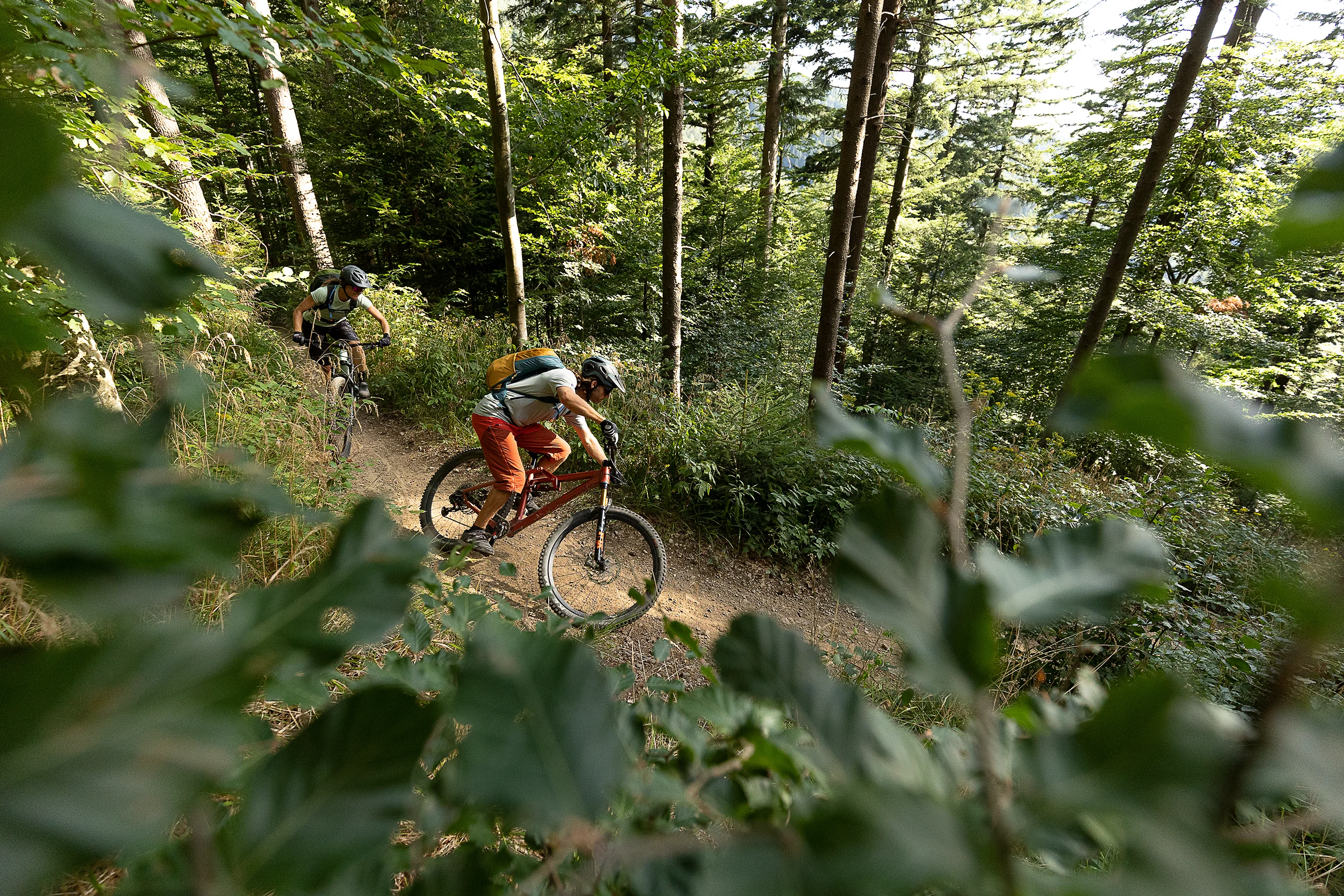
For a day tour or a mountain bike ride, smaller backpacks that can accommodate the essentials are sufficient. A secure fit and a well ventilated backpack are particularly important. These bike backpacks are ideal for a full day of action, with a capacity of 5 to 20 litres. For a multi-day tour, however, you should consider the hiking sizes. The Race Air and Road One models are suitable for cyclists.
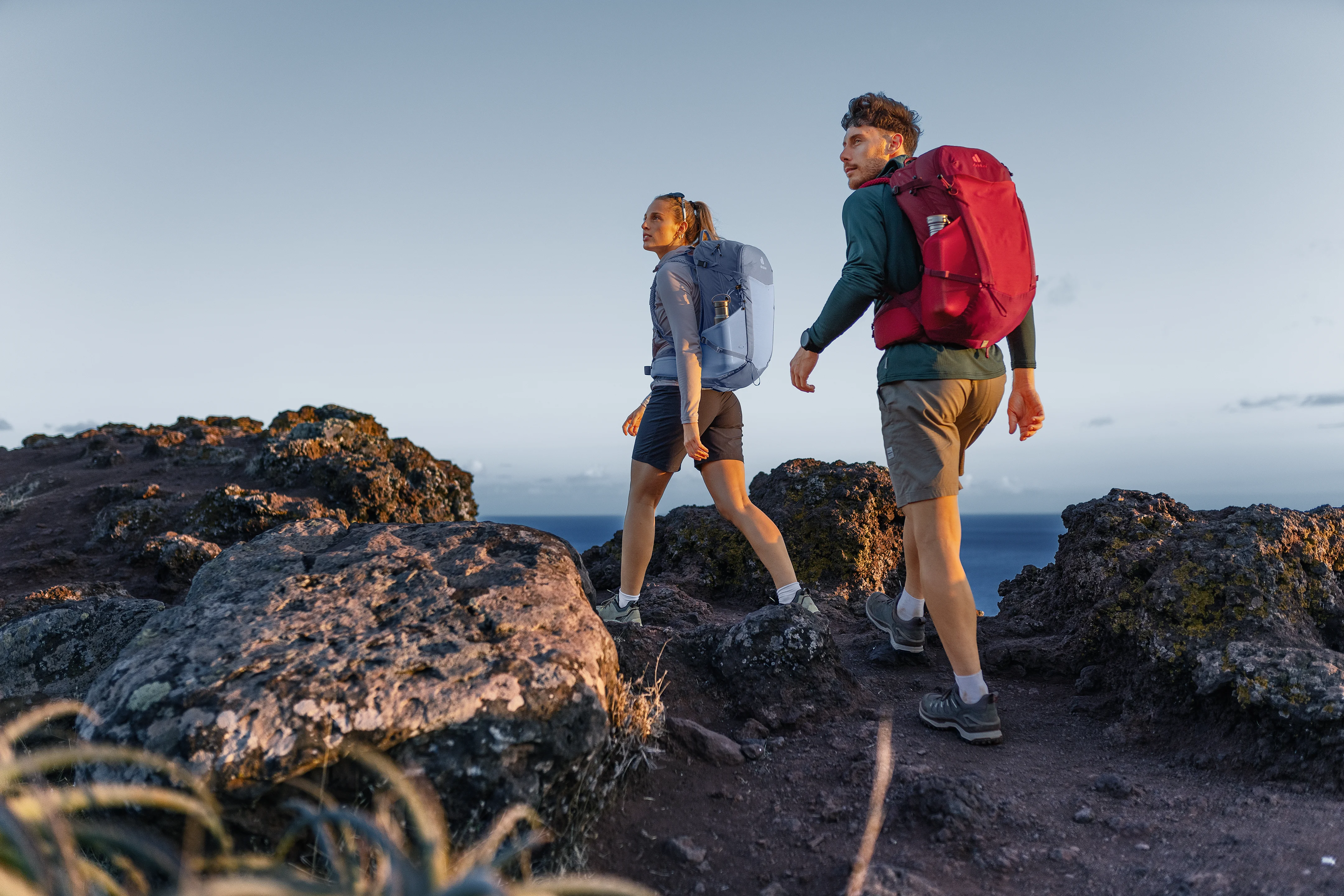
Everything you need to enjoy your hike: the right size for your backpack
If you are going on a mountain hike or a weekend trip, it's best to choose a hiking backpack with a capacity of approx. 14 to 32 L. You should take a look at the Futura series of mesh-ventilated backpacks or the Speed Lite and Trail series of non-ventilated packs.
The optimal backpack size for trekking tours
Are you planning a multi-day trip? Then you will need room for a change of clothes, hiking maps, etc. The capacity that you will need here depends significantly on whether you are carrying a tent with you and whether you are planning to be self-sufficient. In this case, you need a backpack with a capacity of between 50 and 85 L. If you are going to sleep in accommodations that are already stocked with food and other provisions, then a trekking backpack with a capacity of 45 to 60 L should be sufficient, depending on the length of the trip. More trekking insights here!
Some trekking backpacks feature a height-adjustable top, which gives you up to 10 L additional capacity. In addition, backpacks for multi-day hikes are equipped with other practical features, such as built-in support for drinking systems and a hiking staff holder. If you are interested in these features, then check out the Futura Air Trek.
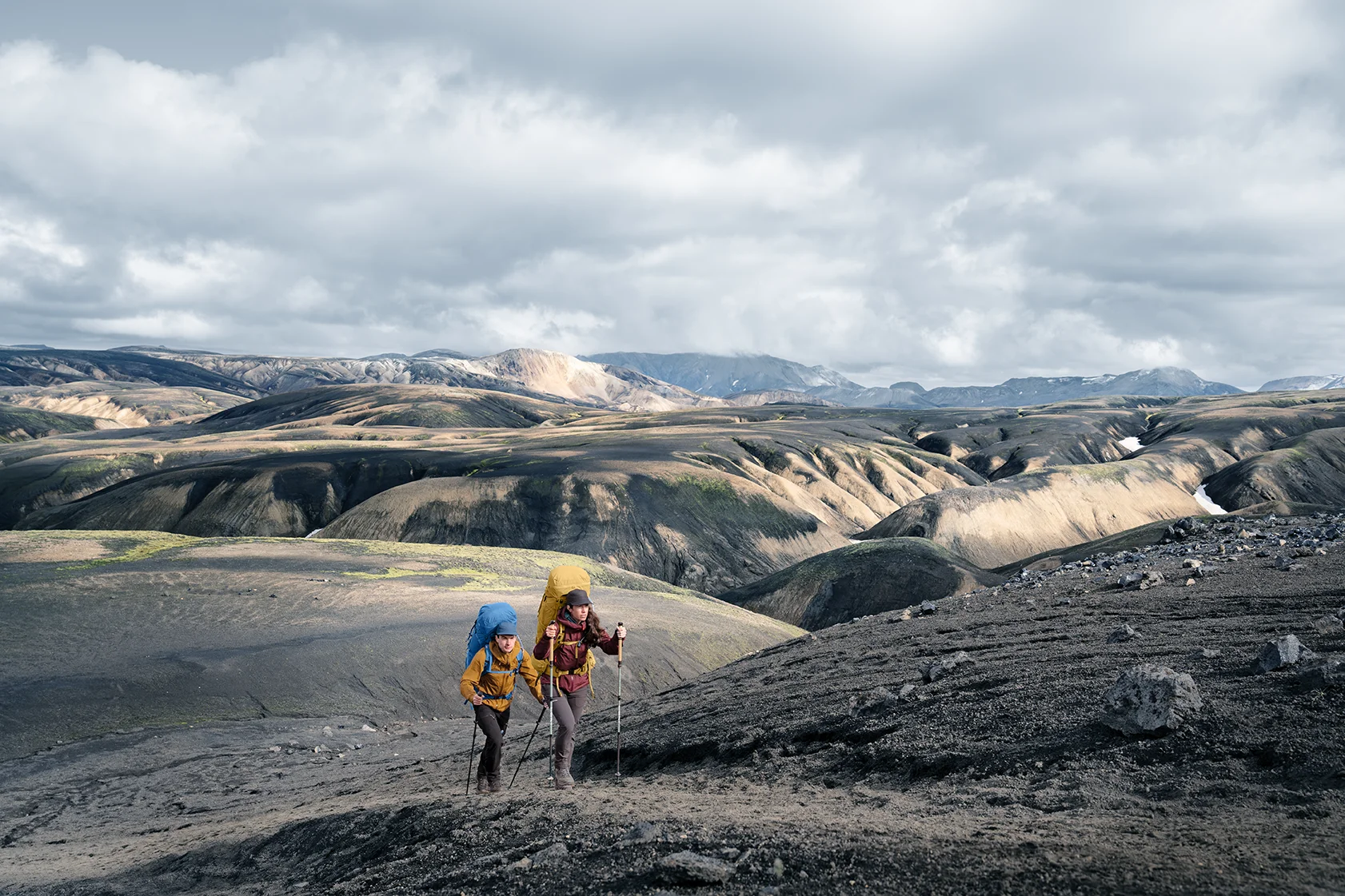
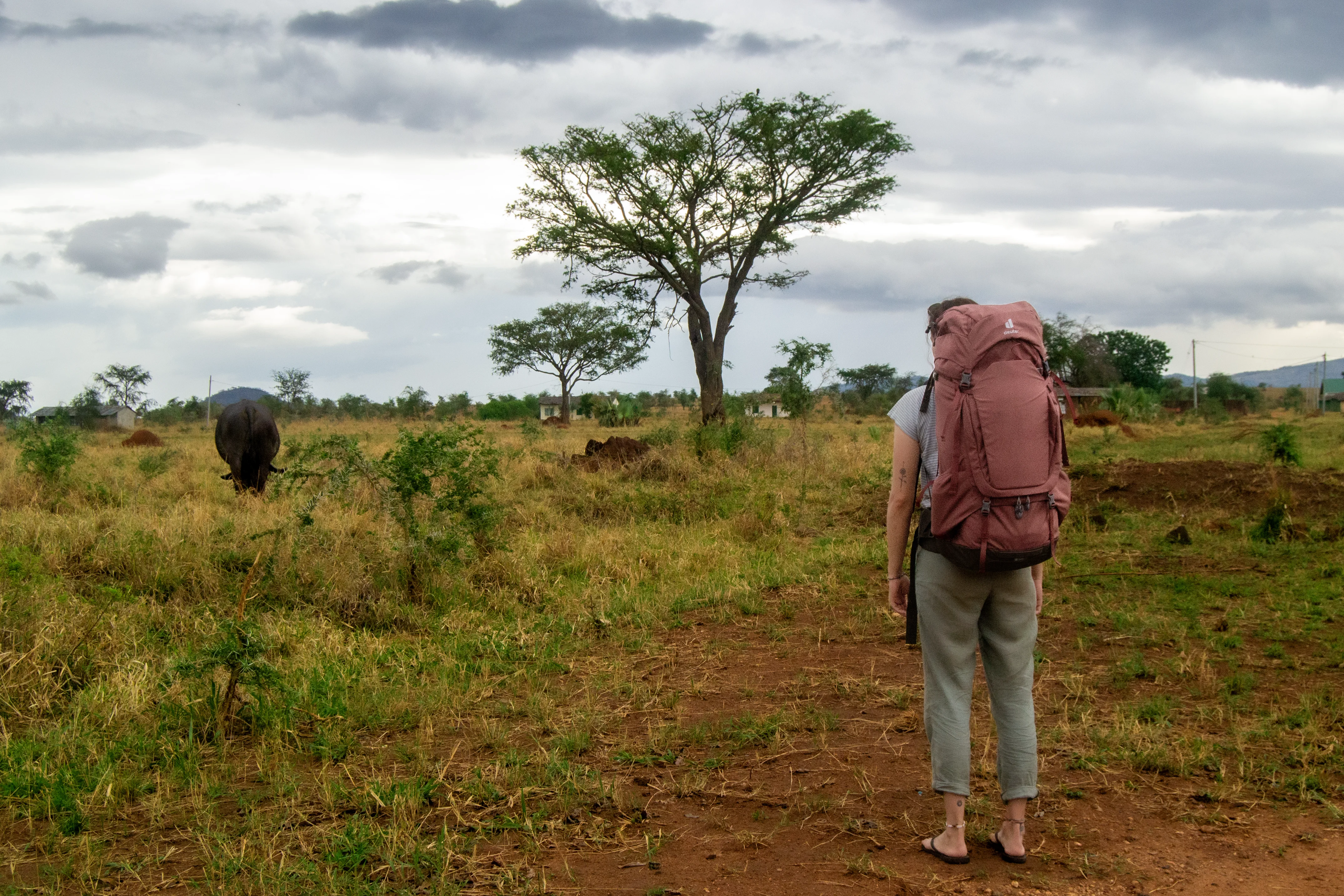
Which size do you need for a backpacking trip?
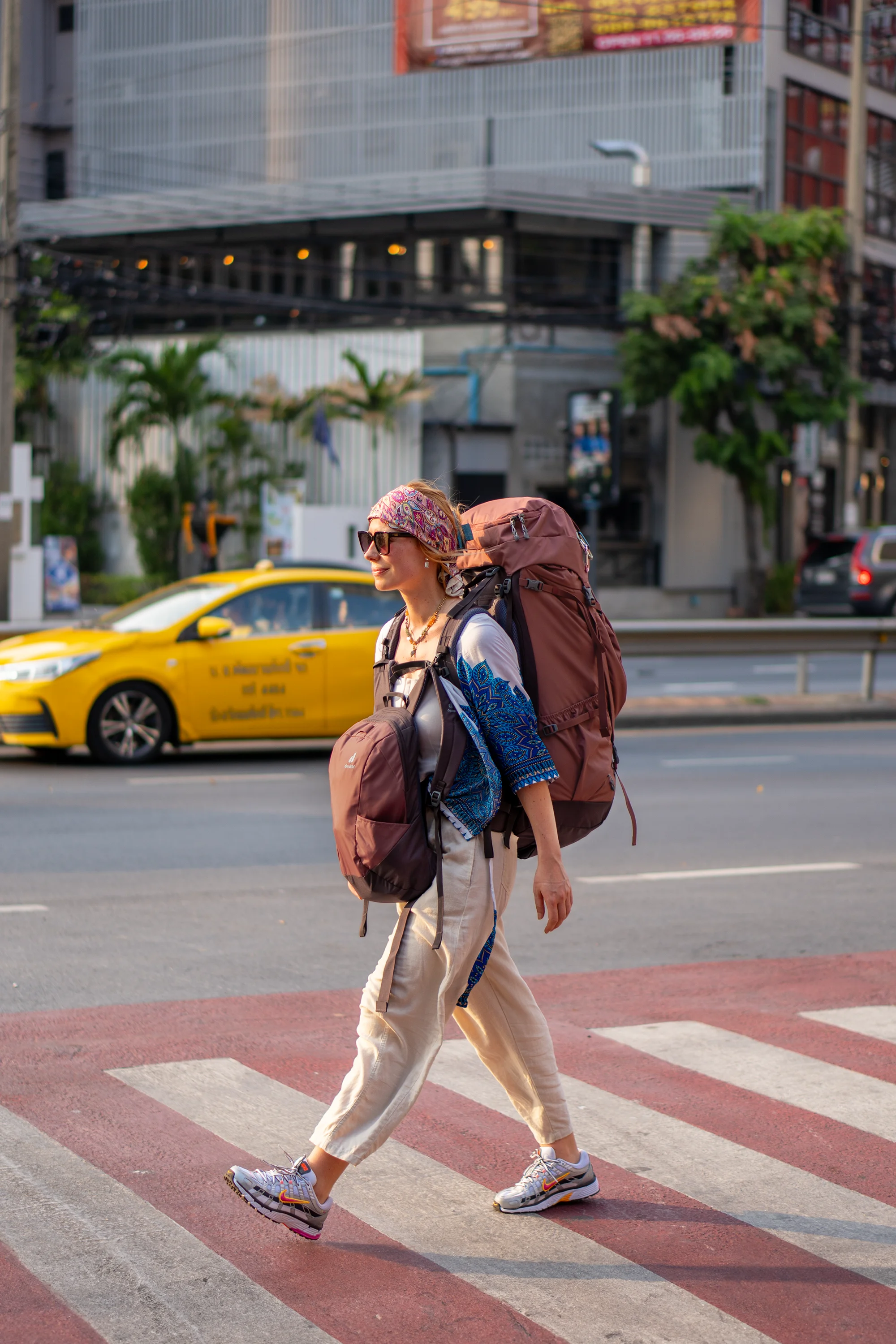
Backpacking is becoming increasingly popular. But you need to be careful to select the right backpack size so that you can carry your clothes, shoes, and other valuables while still carrying a pack that is not too heavy.
50 to 80 L is the optimal size for longer trips lasting several weeks. When shopping for travel backpacks, you should also pay attention to how the compartments are arranged. Make sure the backpack you want to buy divides up the space in a way that is practical for you.
Children’s backpacks come in these sizes
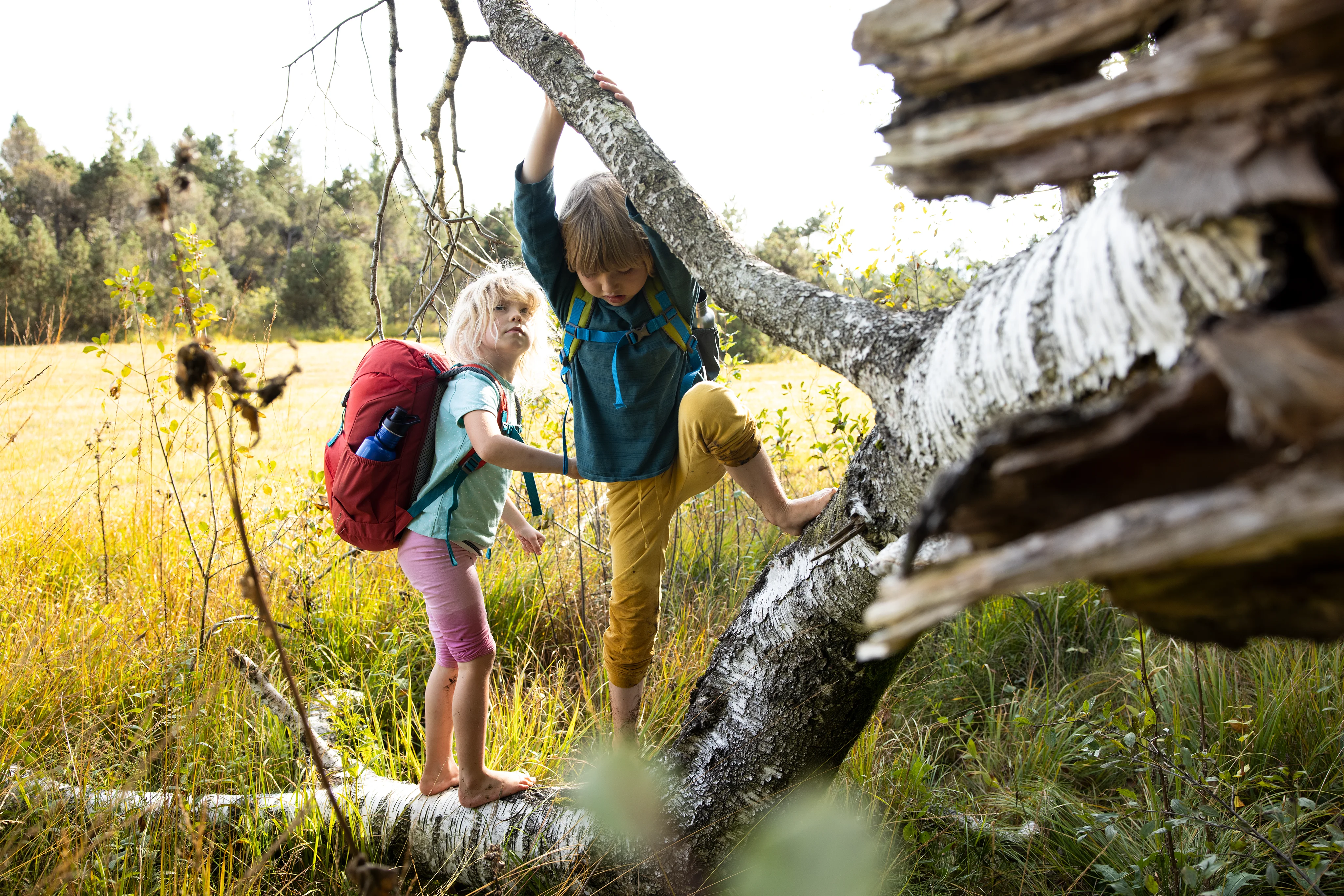
Your little ones don't want to miss out on field trips, and they also want to carry their own pack. That's why deuter has backpacks sized for children. You can choose from models ranging in capacity from 8 L on the smaller end to 20 L on the larger end, depending on age. You can even find children’s backpacks from deuter in capacities as large as 40 L. These models in the Fox series are perfect for teenagers.