5 tips for sleeping under the stars
5 tips for sleeping under the stars
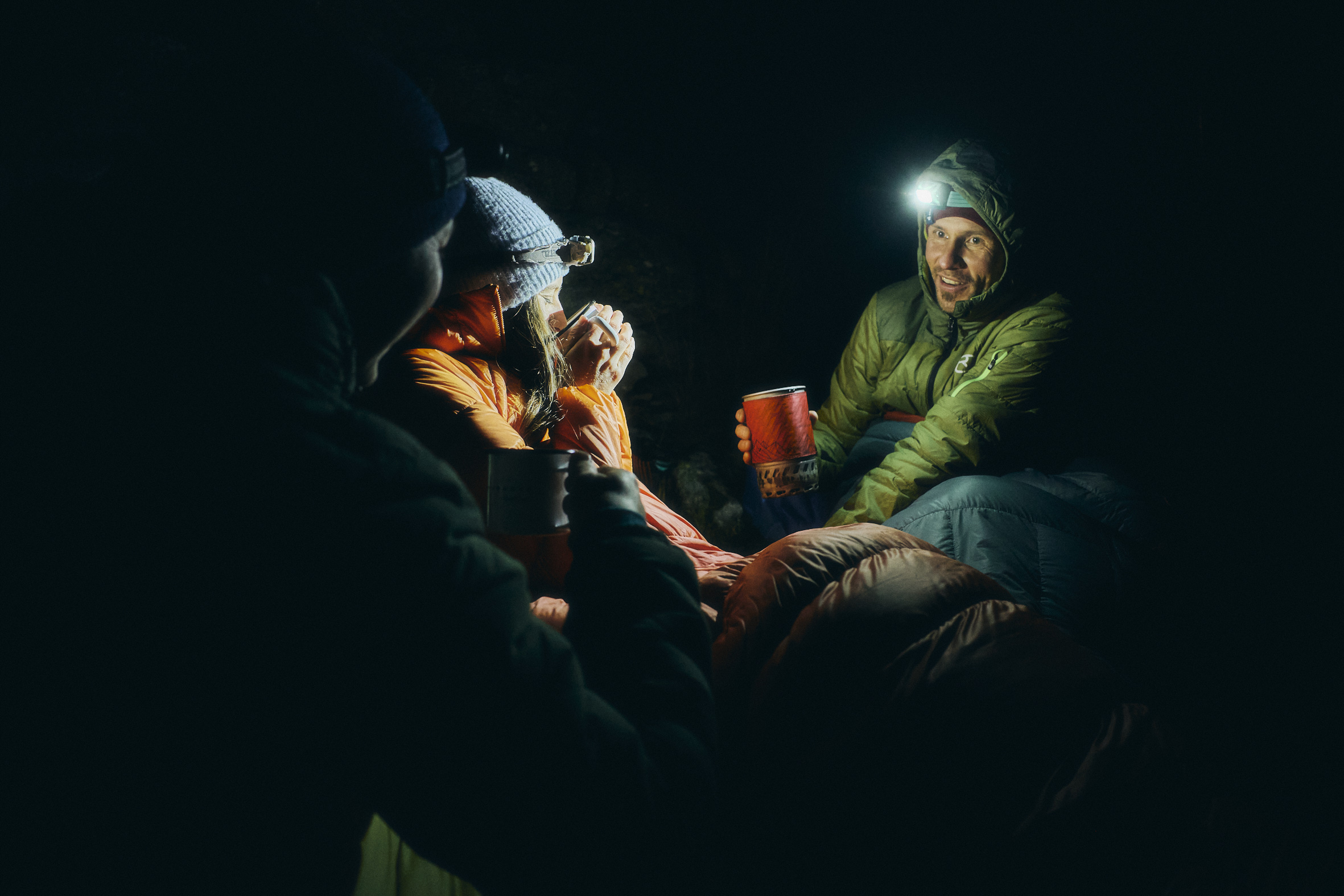
Scientific studies show that breathing in fresh air and spending time in nature is very good for your health, as it has a positive effect on your immune system. You get plenty of fresh air, especially when you sleep outdoors. But that’s not all. Sleeping under the stars can also make you very happy: the fresh air, the sounds, the smells and the view of the sky ground you at night and put the day’s worries into perspective. Life in the great outdoors, known as ‘Friluftsliv’, is a centuries-old Scandinavian outdoor tradition that is being actively revived today. So, why not give it a go yourself?! Because sleeping outdoors and gazing at the twinkling stars in the sky is exciting and adventurous.
We’ve picked out five tips to help you plan your bivouac. And, above all, to help you sleep better outdoors:
1. A suitable place to sleep
Finding a suitable spot to sleep outdoors isn’t always easy, as wild camping isn’t permitted everywhere. The legal situation can vary from place to place. You can check with the relevant local council or the local police to find out what rules apply to wild camping. After all, you don’t want to be suddenly woken up by a police siren and possibly end up having to pay a fine. But it’s also important for the animals and the natural environment that you stick to the applicable laws.
Once you’ve found a nice spot to sleep, you should also make sure it’s as level and dry as possible. If the spot isn’t level, position yourself so that your feet are at the bottom and your head is at the top. Avoid sleeping near bodies of water and don’t lie down in tall grass to keep yourself and your kit dry. In the woods or even at the edge of the woods, it’s often a bit more sheltered and drier than in a meadow. Once you’ve found a suitable place to sleep, don’t forget to take your rubbish with you the next day and leave the spot clean.
2. Hammock or sleeping mat + sleeping bag
Whether you’re using a hammock or a sleeping mat, the first thing you should definitely think about is insect protection or a mosquito net, as it can get particularly uncomfortable without protection, especially in summer. In case the weather suddenly takes a turn for the worse, it’s also worth packing a tarpaulin.
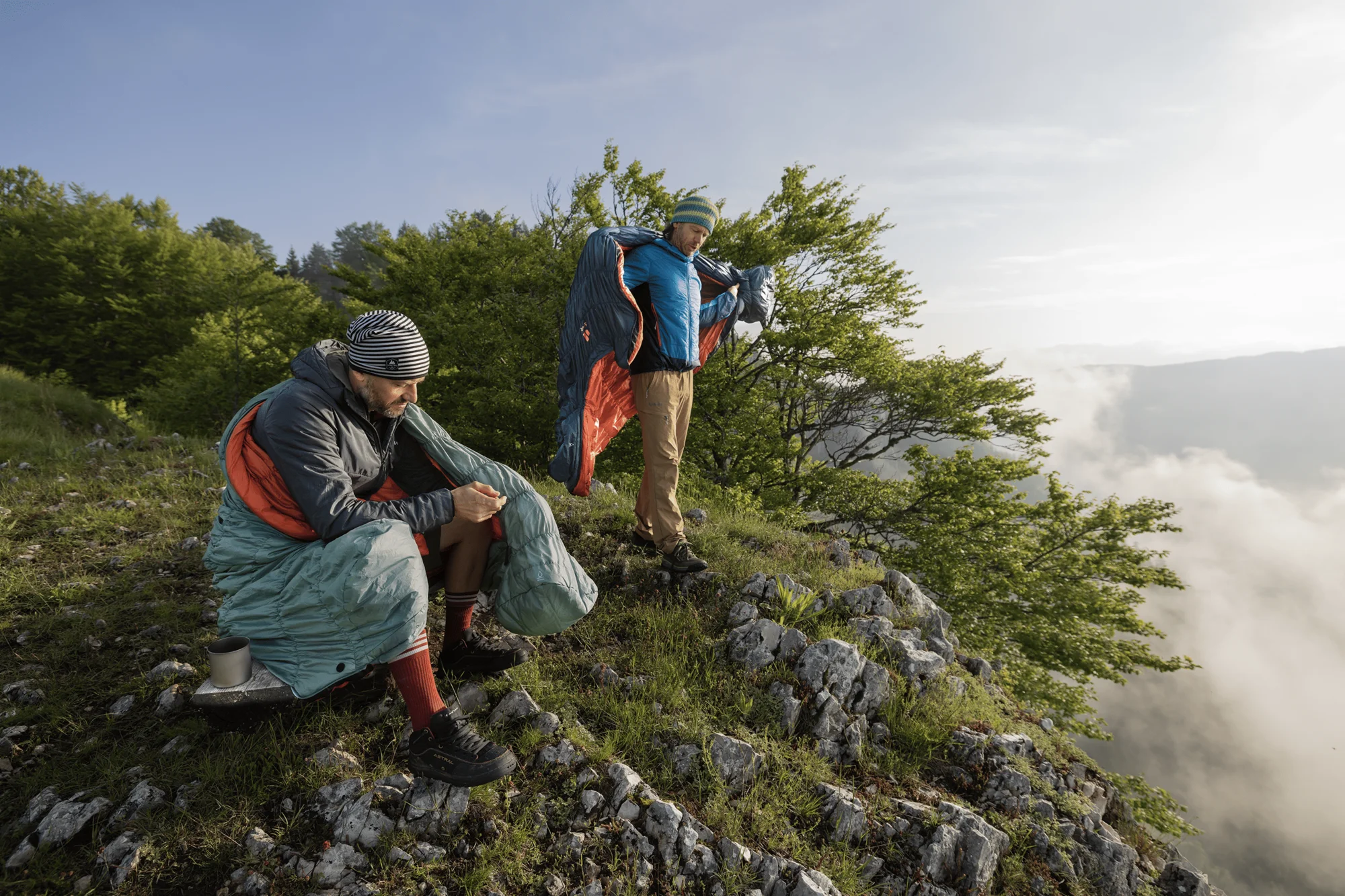
The advantage of sleeping in a hammock is that you can avoid the rising ground chill. When hanging it up, however, you should only use special straps that won’t damage the trees. If you prefer a sleeping mat, you should make sure there are no sharp objects underneath it to avoid punctures and an uncomfortable night’s sleep. Whether you’re using a hammock or a sleeping mat, the right sleeping bag is also important. Your sleeping bag should definitely be warm enough. For the best sleeping comfort, deuter offers suitable sleeping bags for different temperature ranges, body sizes and uses. A popular classic is, for example, the Exosphere.
The bluesign®-certified inner and outer fabric, like almost all components of the Sleeping bag, is made from 100% recycled polyester. The elastic ThermoStretch construction seams, the 360° distribution of the high-loft hollow-fibre filling and the overlapping construction with a 1.3-fold overlap ensure a comfortable thermal environment inside the sleeping bag. Well-thought-out details such as anti-pinch protection on the zip, an ergonomic foot design and the robust, high-performance outer fabric make this sleeping bag a lightweight, functional companion in the mountains.

3. A pillow
You’ll probably sleep more comfortably if you position your head slightly higher. There are plenty of lightweight and comfortable pillows available in a wide variety of designs from various suppliers. But there’s also a very good and cost-effective alternative: simply fill your sleeping bag liner with the clothes you’ve brought with you for the bivouac.
4. The right clothing for the night
There’s hardly anything more annoying than being unable to sleep because you’re cold. So (depending on the location and temperature) it makes sense to wear long thermal underwear in case it does get colder than expected. Even if you need to go to the toilet in the night, you won’t need to put anything on – you can simply go about your business in comfort. A thin hat can also protect you from the cold during the night and ensure a good night’s sleep whilst bivouacking. If it gets too warm, simply take a few items of clothing off – that’s still quicker than putting on warm clothes in the middle of the night to warm yourself up. If you’re particularly sensitive to noise, you should take earplugs with you.

1. I’m packing my backpack and taking with me…
The motto: as little as possible, as much as necessary. Whether you’re planning a hut-to-hut trek or want to be completely self-sufficient: certain items always belong on the packing list for multi-day trips.
The universal packing list for your bivouac adventure (multi-day trip)
Clothing
- a pair of hiking boots
- hiking trousers with zip-off legs
- functional shirt & shirt
- Fleece jumper or jacket
- Tracksuit bottoms
- Rain jacket & rain trousers or rain cape
- Jacket (depending on the climate)
- Hiking socks & spare underwear
- Scarf, hat, gloves (depending on the weather)
- Swimwear (depending on the weather)
Equipment
- Water bottle or hydration pack
- Sunglasses (glacier goggles if required)
- Head torch or torch
- Rubbish bags
- Pocket knife
- Duct tape
- Toiletry bag (travel-size items, biodegradable soap)
- Microfibre towel
- Tissues or toilet paper
- First aid kit: (blister) plasters, sun cream, first aid kit, painkillers, healing ointment, insect repellent, tick tweezers
- ID, health insurance card, DAV membership card, vaccination certificate, debit card, cash
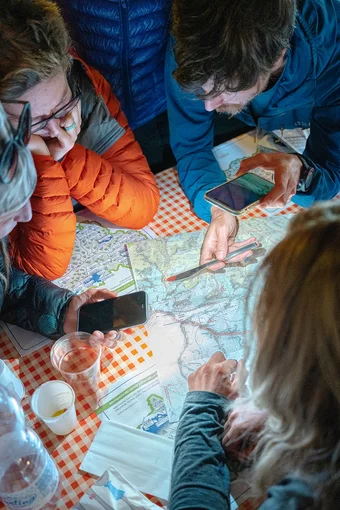
- Mobile phone, (camera), or compass, hiking map
- Food and drink (depending on the tour, snacks for the go or even dinner/breakfast)
- Magnesium tablets and electrolyte solutions
Packing list for multi-day hiking tours with a tent
- Sleeping bag (take night-time temperatures into account)
- Tent or bivouac
- Sleeping mat vs. hammock
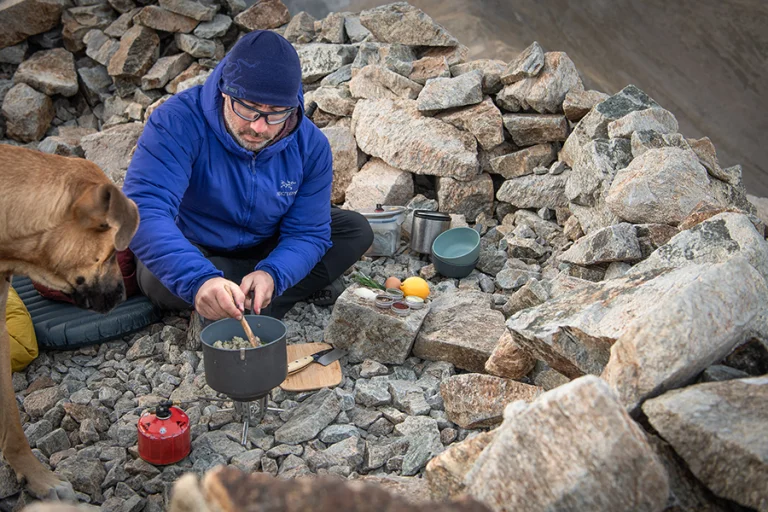
- Gas hob & saucepan
- Cutlery, plate, cup
- Lighters (more than one)
- Power bank for mobile phone
- Eco-friendly washing-up liquid
You can find more packing lists here.
We explain how to pack your backpack properly in a separate guide.
We hope these tips on sleeping outdoors have been helpful and, above all, have tempted you out into nature 😊.